
Campgrounds
Do campground costume contests include dogs?
Find out whether campground Halloween costume contests allow dogs, how to confirm a pet division, and which pet rules still apply during the event.
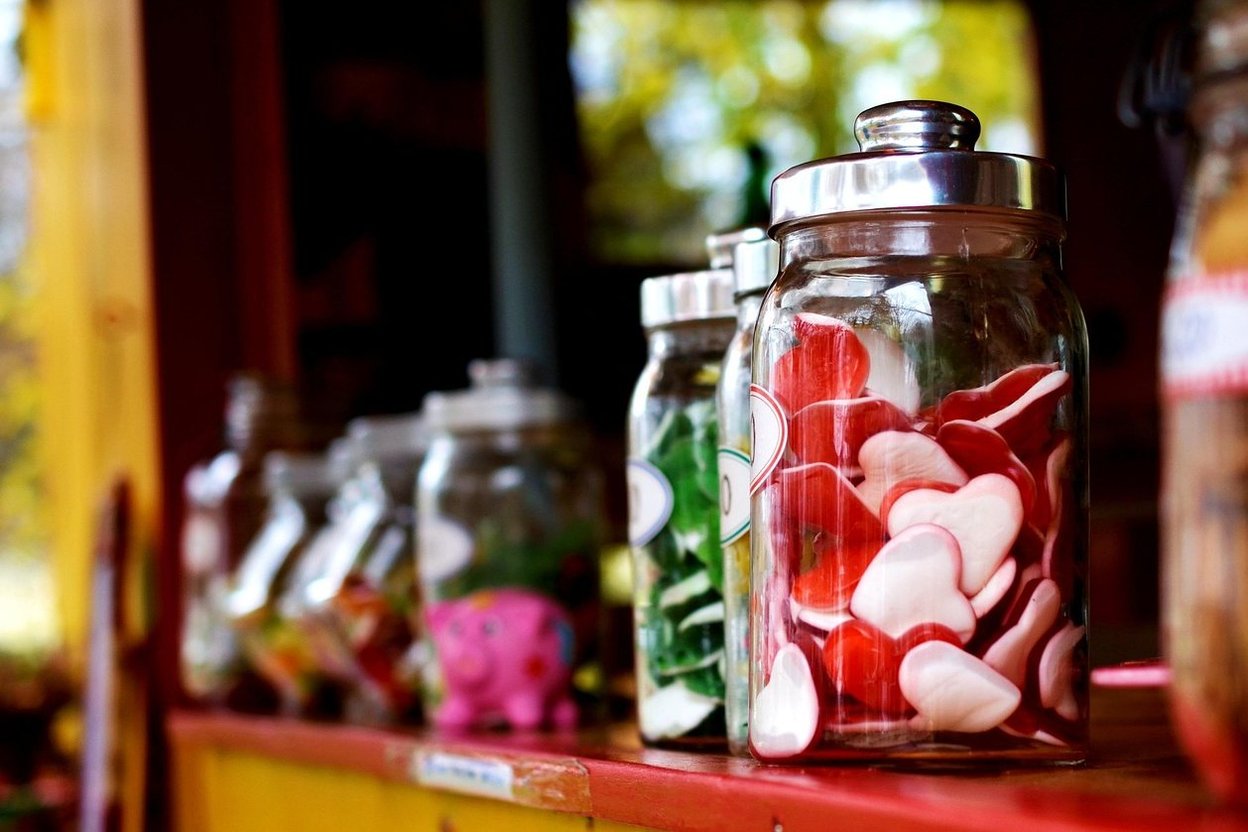
Estimate how much candy to buy for campground trick-or-treating, with a per-child formula, 2026 cost figures, and tips on allergies and bear storage.
You have the site decorated, the candy bowl ready, and no reliable way to know how many kids will roll through. Plan for 1–3 pieces per expected child, then ask the campground office for its best estimate of attendance and the number of participating sites. A typical site-to-site event might call for 100–200 pieces, while a busy weekend can use several hundred.
Treat those numbers as planning estimates, not guarantees. A quiet RV park may see no trick-or-treaters, while a busy campground can draw families from across the property. Buying for the full event window and keeping a backup bag nearby gives you a practical buffer.
Start with 1–3 pieces per expected child, using the campground office’s estimate of attendance to set your total. There is no official number for candy per child or trick-or-treaters per campsite. One camping guide suggests 100–200 pieces for a typical site-to-site event, while camper reports range from no visitors at quiet RV parks to more than 300 trick-or-treaters at busy private campgrounds.
At one busy campground, campers reported going through about 500 pieces over a weekend. That is a useful high-attendance example, not a standard for every park. Ask the office how many sites are participating and how many children they expect; those details give you a better starting point than guessing from campground size alone.
Plan for the entire advertised candy window. If you buy enough for the first hour only, you may run out while families are still making their rounds. When the office cannot estimate attendance, choose a comfortable amount within the 100–200-piece guide, then bring an inexpensive backup bag if you have room.
Campground trick-or-treating turns decorated campsites and the loop road into the route, with participating sites handing out candy during a set time window. The office may tell you to signal that you are participating with your site lights or a balloon.
The schedule and rules vary by campground. One example is a Saturday event from 5:30 to 6:30 p.m. In 2026, Jellystone Park Milton in Pennsylvania runs four Halloween weekends from Sept. 25 to Oct. 18 and is closed Oct. 31. Louisville South KOA in Kentucky holds its event Oct. 9–11, with campground roads closed. Pigeon Forge/Gatlinburg KOA in Tennessee runs four weekends, including Oct. 30–Nov. 1.
Check the campground’s event details before you stock up. A one-hour window and a full weekend of activities call for different amounts, and road closures can shape where families walk. Follow the office’s directions for marking your site as a candy stop and for setting up along the route.
Multiply the campground’s expected number of children by the pieces you plan to hand out per child. At 121 kids and three pieces each, you need about 363 pieces.
For a weekend with 300 kids, handing out one or two pieces each means planning for 300–600 pieces. A much larger event can use candy quickly: one camper at a 700-site park reported that guests and day visitors brought in 2,000–3,000 children, and the camper spent $70 on candy in the first hour. That single report shows how sharply attendance can outpace a small site’s supply.
A cheap backup bag gives you extra stock if turnout beats the estimate. Hand out one piece at a time so each child gets a fair share while the line moves. When the candy is gone, turn off your site light so families know to keep walking.
Candy costs depend on the bag size and type, and the 2026 figures point to a substantial budget for a high-attendance event. The National Retail Federation expects $4.1 billion in candy spending, with 96% of Halloween shoppers planning to buy candy.
One price study puts a 100-piece mixed bag at an average of $16.96, up 71% since 2021. That figure is a broad benchmark, not a guaranteed shelf price. Grocery and warehouse-club prices can differ, so check the local cost per piece when you decide between larger bags and smaller packs.
Chocolate remains costly on shelves because candy in stores was made with higher-priced cocoa beans, even after cocoa fell from its 2024 record. As a per-piece example, Mars fun-size candy costs about $0.38 each, compared with about $0.19 for mini pieces. A Hershey’s 75-piece bag weighs about 2.5 pounds, which helps you estimate how much you will carry and store.
Offer a non-food option and keep treats easy to identify, because one in 13 U.S. children has a food allergy. Fun-size candy can have different ingredients from full-size bars, and some pieces may lack labels.
A teal pumpkin or a clear sign can show that your site offers a non-food treat. Keep non-food items in a separate bowl, and consider glow sticks as an option that also helps children stay visible. For more child-safety guidance, the American Academy of Pediatrics shares Halloween safety tips.
Keep hard candy and gum away from toddlers. If you are unsure whether a piece is appropriate for a child, let the accompanying adult decide.
In bear country, treat candy and its wrappers as scented items, and store them securely when you are done handing them out. Use a bear locker or a locked, hard-sided vehicle, keep the supplies out of sight, and never leave a candy bowl outside overnight.
Rocky Mountain National Park says bears are active from mid-March through November, covering Halloween. Its food-storage guidance for campgrounds and trailheads explains how to secure food in park areas. Sequoia and Kings Canyon National Parks also list campground regulations for visitors.
Pack wrappers away with the candy after the event. Check the campground’s storage rules before the weekend, especially if your site is in bear country.
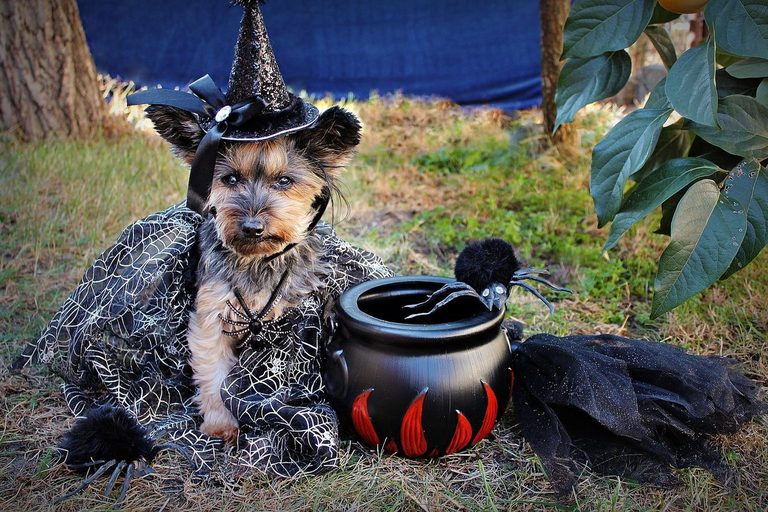
Photo by congerdesign on Pixabay.
Find out whether campground Halloween costume contests allow dogs, how to confirm a pet division, and which pet rules still apply during the event.
Your campground closes before Halloween? Move your trip to an earlier event, a park open through Nov. 1, or indoor lodging.
Tongue River Reservoir in Montana cut power to most campsites for winter. Learn which 11 sites stay powered, what's open, and what to plan for.