Campgrounds
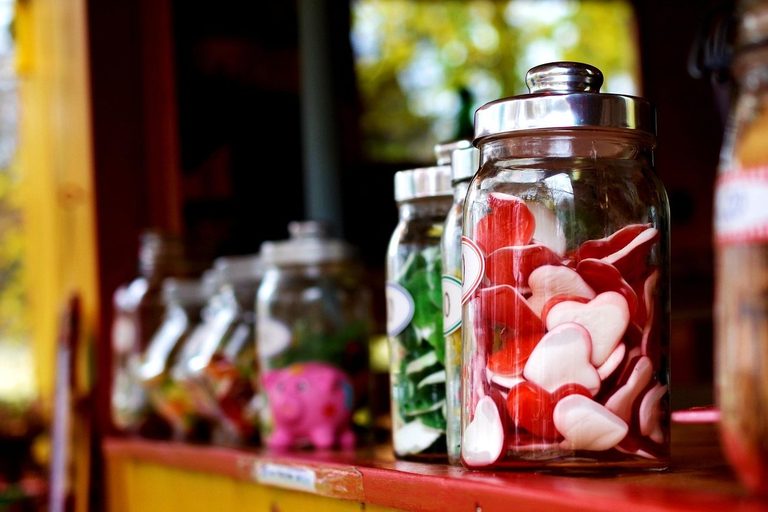
How much candy do you need if kids go from site to site?
Estimate how much candy to buy for campground trick-or-treating, with a per-child formula, 2026 cost figures, and tips on allergies and bear storage.
Your campground closes before Halloween? Move your trip to an earlier event, a park open through Nov. 1, or indoor lodging.
You check your usual campground’s calendar and find the season ends before Halloween weekend. Move your trip to an earlier campground Halloween event, book a park open through Nov. 1, or switch to a cabin, yurt, or lodge. Since Halloween 2026 falls on Saturday, Oct. 31, many campgrounds will have closed weeks before then.
Before you rebook, check the new reservation’s cancellation rules. A different date or roof can keep your family’s plans on track, while a campground’s closing date tells you whether the site will be open for your last night.
If your campground closes before Halloween, you have three practical options: celebrate earlier, find a park that stays open, or book indoor lodging. Many campgrounds schedule Halloween weekends in September and October, so you can still get the seasonal activities without camping on Oct. 31.
For the Oct. 30–Nov. 1 weekend, look for a campground that lists those dates as open. Some parks run into November, while others close at the end of October or limit late-season camping to certain nights. Check the dates for your specific campground and site before you reserve.
A cabin, yurt, or lodge gives you a roof if nearby campgrounds have closed or the late-October forecast looks uncomfortable. These options can have different cancellation deadlines from campsites, so read the policy before booking. If you already have a reservation, compare its cancellation terms with the new option before making a change.
Season-ending dates vary by state and campground, so check whether the listed closing date includes an overnight stay. In Vermont, most state parks close Oct. 12, and the state counts closing day as the last day for day use. Your last camping night is therefore the night before the listed date.
In Massachusetts, many parks have Oct. 11 as their last night. A few stay open through Oct. 25, while some allow camping into November on Thursday, Friday, and Saturday nights only. Check the Massachusetts 2026 camping schedule for the specific park and dates.
Several eastern Washington parks list Oct. 31 or Nov. 1 as closing dates. Check the Washington State Parks winter schedule and confirm the last bookable night with the park before planning around Halloween weekend.
These dates make the wording on a calendar important. “Closes Oct. 31” may describe a last day of operation, not a night you can sleep there. Confirm the overnight date in the reservation system, especially when your plan depends on staying Saturday night.
An earlier Halloween weekend can keep the event part of your trip even when your campground closes before Oct. 31. Private campgrounds schedule celebrations across September and October, with activities for kids and decorated campsites.
Jellystone Park Milton in Pennsylvania runs four Halloween weekends from Sept. 25 through Oct. 18, then closes before Halloween itself. Pigeon Forge KOA in Tennessee runs October weekends that include Oct. 30–Nov. 1.
Expect activities such as trick-or-treating, costume contests, pet-costume contests, and decorated golf carts. Check the event dates and schedule for the weekend you want, since a campground’s Halloween programming can fall earlier than the holiday.
If you need a cabin, book early in your planning. Cabins sell out first, so waiting until the campground’s later dates are confirmed can leave you with fewer lodging choices.
For a Halloween-weekend campsite, focus on parks that list overnight availability from Oct. 30 through Nov. 1. Great Smoky Mountains National Park’s Cades Cove and Smokemont campgrounds are late-season options; check the frontcountry camping details for current campground information.
Washington’s Cape Disappointment and Massachusetts’ Horseneck, Scusset, and Shawme are also options to check. The Massachusetts parks allow camping on Thursday through Saturday nights into the late season, so confirm which nights are available for your dates. Year-round private campgrounds such as Pigeon Forge KOA can also work for a late-October stay.
Read the park’s operating notes before booking. Partial closures can affect which loops or facilities are available, and some late-season sites use first-come-first-served rules. Water service may be shut off for winter, so check what remains available at your chosen campground.
Construction and weather can change plans. Oregon’s Cape Lookout has construction closures listed on its park page. Florida Panhandle storm closures were in effect this week; check the National Park Service closure notice and confirm current conditions before traveling.
A cabin, yurt, or lodge gives you a hard roof for a cold late-October night and can keep your plans possible after tent sites close. Washington State Parks takes cabin and yurt reservations all year, and Vermont’s Seyon Lodge is open through Nov. 1.
Check the lodging calendar for your exact dates, then read its cancellation rules before you pay. Lodging usually has stricter cancellation terms than campsites, so a change of plans can cost more. Confirm what the reservation includes and whether the facility remains open for the full weekend.
Compare cancellation rules before you move a reservation, because fees and notice periods vary by operator. Recreation.gov has its own fees and a first-night penalty, and it refunds everything when a facility closes for an emergency.
KOA charges a $20 cancellation fee and requires seven days’ notice for campsites and 14 days for lodging. Texas State Parks charges penalties of $10 or $25, with caps. Those examples show why the policy for your specific reservation is the one to check.
Read the campground’s own rules before cancelling or rebooking. Its policy can override broader platform terms, and lodging may have a different deadline from a campsite. Check the notice window, fee, and refund terms in the reservation details, then compare them with the new booking before confirming a change.
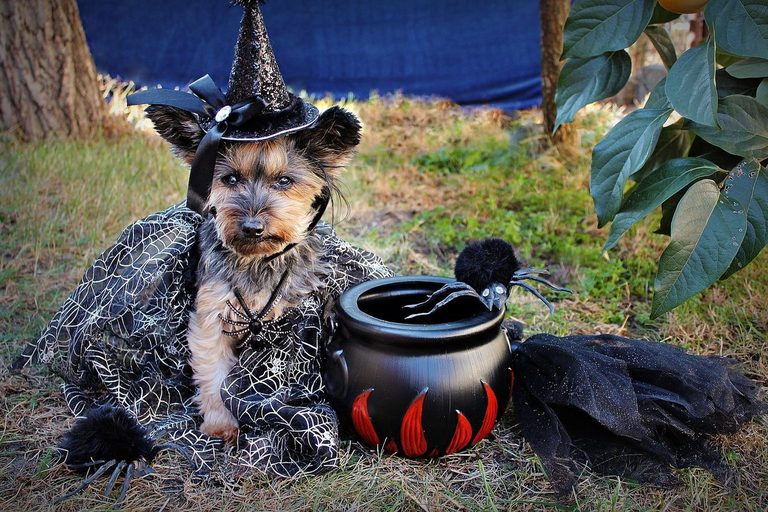
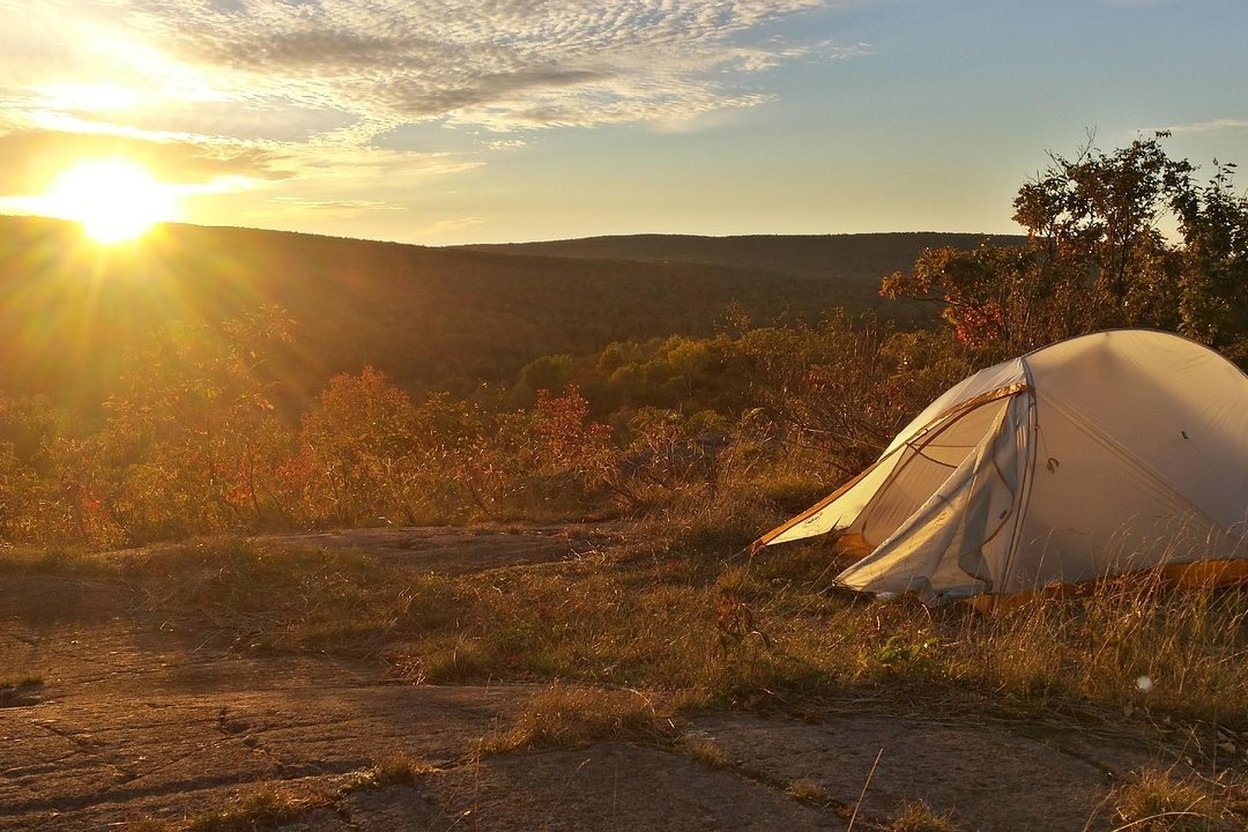
Photo by MidwestOutdoors on Pixabay.
Estimate how much candy to buy for campground trick-or-treating, with a per-child formula, 2026 cost figures, and tips on allergies and bear storage.
Find out whether campground Halloween costume contests allow dogs, how to confirm a pet division, and which pet rules still apply during the event.
Tongue River Reservoir in Montana cut power to most campsites for winter. Learn which 11 sites stay powered, what's open, and what to plan for.