Campgrounds
How much candy do you need if kids go from site to site?
Estimate how much candy to buy for campground trick-or-treating, with a per-child formula, 2026 cost figures, and tips on allergies and bear storage.
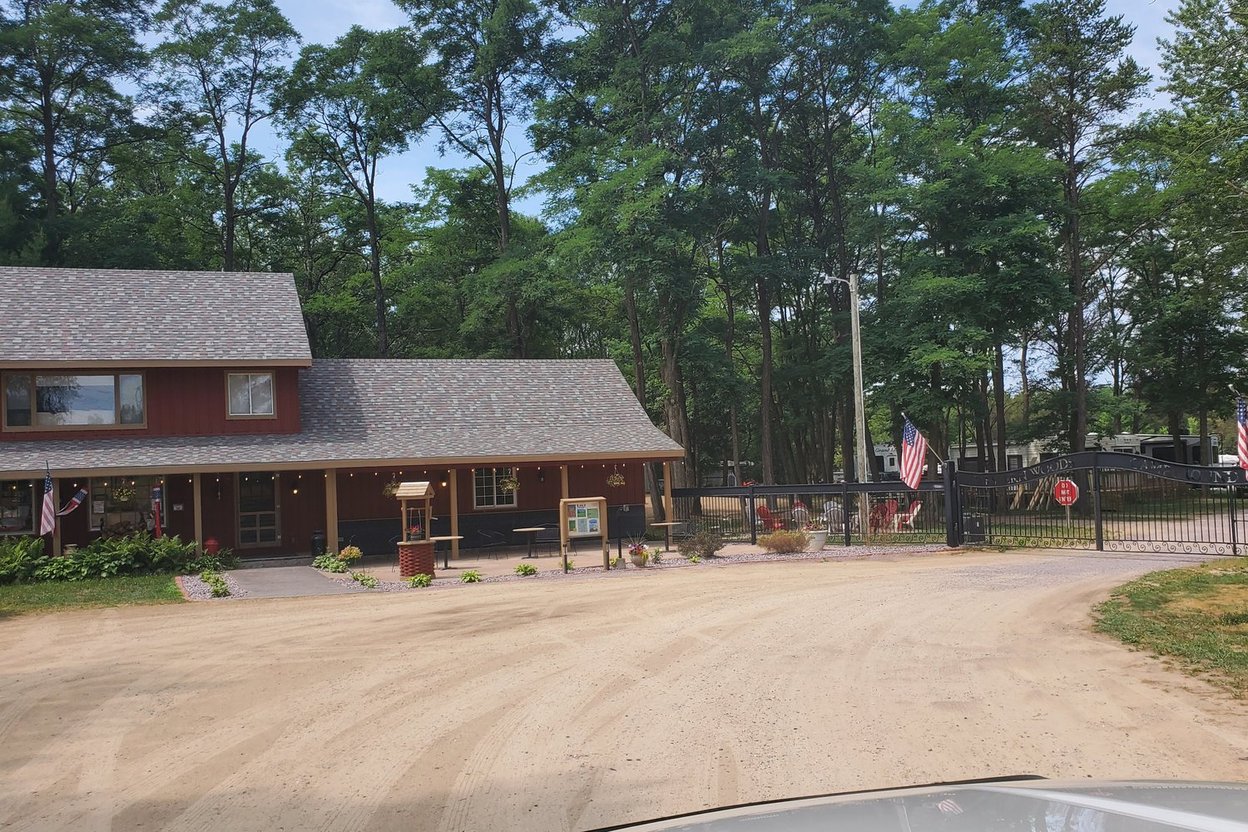
Find out if your fall campground is closed or has reduced services before you drive. Learn what to check.
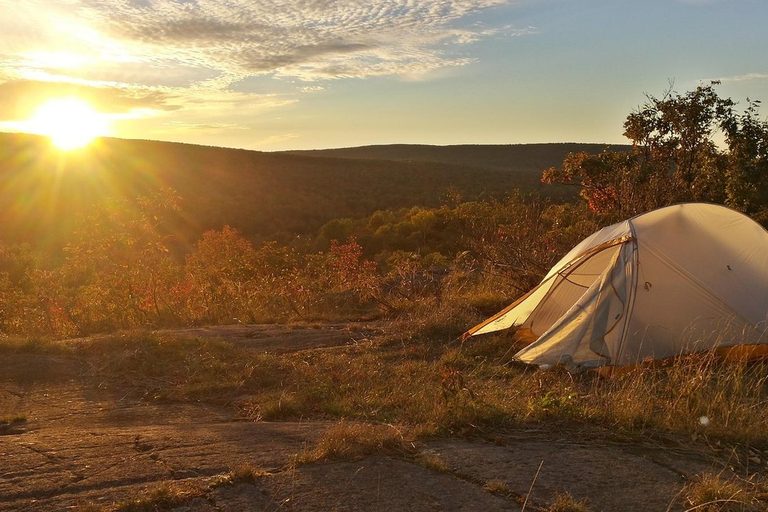
The truck is loaded, the cooler is full, and you're three hours into the drive when the campground road ends at a locked gate with a laminated notice zip-tied to it. Fall camping can go this way. No single date closes campgrounds nationwide. Each land manager sets its own, and September and October are when many of them turn off water, lock gates or cut back to limited service. Before you leave, check three things for your specific campground: its reservation page, the park or forest alerts or winter-schedule page, and the phone number of the office that runs it.
"Closed" covers a lot of different situations, and a reservation only covers the dates and services still posted for that campground. Agencies including the Black Hills National Forest and Washington State Parks say snow, short staffing or weather can close a site before the printed date.
Here's what the word means in a few places this fall:
Winterized doesn't always mean you can camp without services, either. On the Okanogan-Wenatchee National Forest, most winterized campgrounds can still be used without services, but campgrounds in the Wenatchee River Ranger District can't. And don't park in front of a locked gate.
Start with the reservation page. Recreation.gov books campgrounds for the federal agencies that take part, including the Forest Service, National Park Service, Bureau of Land Management (BLM), Bureau of Reclamation, U.S. Fish and Wildlife Service and Army Corps of Engineers. Season dates are under the campground's Seasons & Booking tab, and closures can show up as a banner across the top. Rules posted on the campground's own page override the site's general rules. If a campground closes for good, reservations are cancelled and fully refunded. If it might reopen, reservations go to "Pending Closure," and you can cancel for a full refund. Recreation.gov tries to email the address on the reservation, so check that inbox.
State parks book through their own systems. Washington handles reservations at (888) 226-7688, and its parks information line is (360) 902-8844. Indiana books through indianastateparks.reserveamerica.com and still takes walk-ins at the park office or gate. Iowa books at iowastateparks.reserveamerica.com.
Then read the alerts page. Every national forest posts closures, fire restrictions and forest orders on its own Alerts page. Some go further. New Mexico's Carson National Forest posts a fall status table, updated September 29, that lists each campground. Some are closed, some are open through hunting season with vault toilets serviced on a limited schedule, and some stay open until snowfall or December 31. Washington's winter schedule on parks.wa.gov lists dates loop by loop. Iowa's DNR sends campers to its alerts page.
Then call. The Forest Service says to call the ranger station before you go, since the office may be closed the day you arrive. Use the number on the campground's own page. The national reservation call center can't tell you whether a first-come site is empty. Two examples: the Coeur d'Alene BLM field office in Idaho, (208) 769-5000, and North Cascades National Park, (360) 854-7200.
The campground host can help only while staff are still around. Hosts and staff are often seasonal. If the host site is empty in October, call the office. An empty host site doesn't prove the campground is open.
Water goes first. Campgrounds turn off water so the lines don't freeze. Iowa state parks start this work in mid-October and close shower houses. The Coeur d'Alene BLM office shuts off water at Killarney Lake Campground and Mica Bay Boater Park by October 9 and keeps both open with reduced services. Huckleberry Campground's last night with full amenities is October 25, and after that it's first-come with no water. Blackwell Island closes the evening of October 12.
Dump stations close too. Iowa closes its dump stations in winter. Indiana says most of its dump stations are closed or have no water for rinsing. The only RV dump station in Utah's Bryce Canyon closes once overnight temperatures drop below freezing. It's free with a campsite reservation and $5 without one. Some water does survive the winter: Washington's Bay View keeps a winter spigot at the dump station, and Belfair's water stays on all year unless a long freeze forces a shutoff.
Locked gates and snow are separate problems. A gate can be locked on a sunny day. On a road nobody maintains, snow can strand a site that's officially open. Washington lists some reopening dates, including Conconully's, as weather-dependent.
Fall doesn't automatically end fire bans. California's Redding BLM field office eased its restrictions on October 1, and campfires are allowed again with a valid campfire permit unless a site is posted otherwise. On California national forests, you need a free campfire permit year-round to use a campfire, charcoal, a gas stove or a lantern outside a developed site.
Hunting season is on. National forests follow state hunting seasons. Shooting is prohibited within 150 yards of a campsite and across a forest road, and the Forest Service tells hunters to wear orange. A bright layer on everyone in camp, kids and dog included, is cheap insurance.
Year-round state parks. Indiana keeps camping open all year, usually with one or two loops open and the electricity on. Water may be off or down to a single spigot. The state's most recent winter page, for the 2025–26 season, lists heated restrooms at Indiana Dunes, Pokagon's campground 3 and section A of Patoka Lake's modern campground. Washington's Cape Disappointment keeps its water and sewer on year-round. In Michigan, Tahquamenon Falls keeps the Lower Falls Hemlock loop and its toilet and shower building open all year.
Private campgrounds. Some KOAs are open 365 days, but KOA warns that year-round campgrounds may still cut services in cold months. Check the campground's own page before you book. Oak Lake RV Resort in Fair Oaks, Indiana, lists winter full hookups, a heated bathhouse, laundry and propane.
Dispersed camping. Camping outside developed campgrounds is allowed on most national forests and grasslands unless an area is closed, and it's usually free. Stay limits and how far from water you need to camp and bury waste vary by region, so check that forest's or BLM office's rule. Plan on bringing everything: there's no piped water, no toilet and no trash cans. National parks don't allow dispersed camping. You can only camp in designated sites.
Whether it's a Halloween weekend trip or a Thanksgiving getaway, run through this before bed:
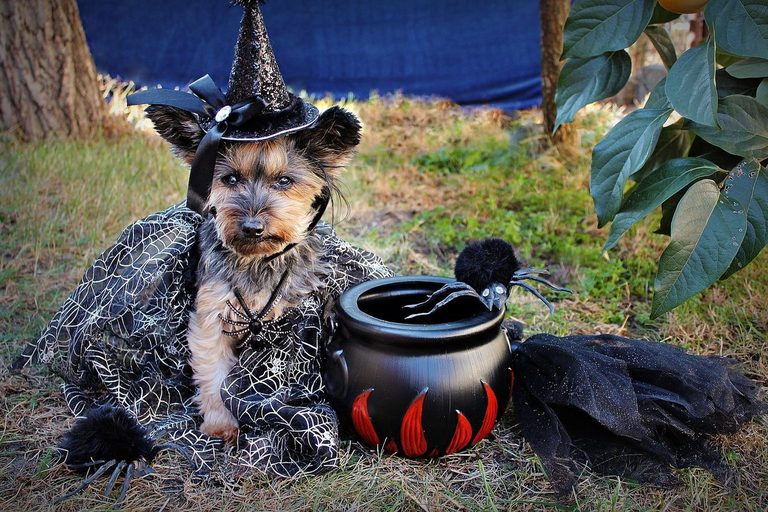
Estimate how much candy to buy for campground trick-or-treating, with a per-child formula, 2026 cost figures, and tips on allergies and bear storage.
Find out whether campground Halloween costume contests allow dogs, how to confirm a pet division, and which pet rules still apply during the event.
Your campground closes before Halloween? Move your trip to an earlier event, a park open through Nov. 1, or indoor lodging.