
Campgrounds
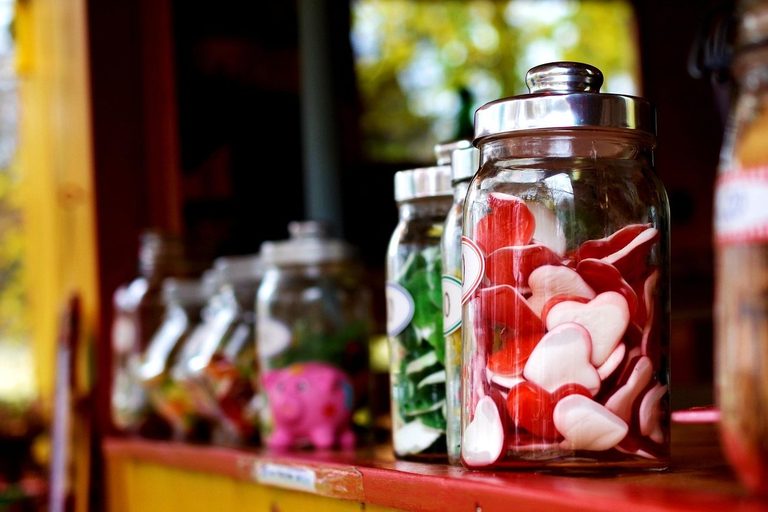
How much candy do you need if kids go from site to site?
Estimate how much candy to buy for campground trick-or-treating, with a per-child formula, 2026 cost figures, and tips on allergies and bear storage.
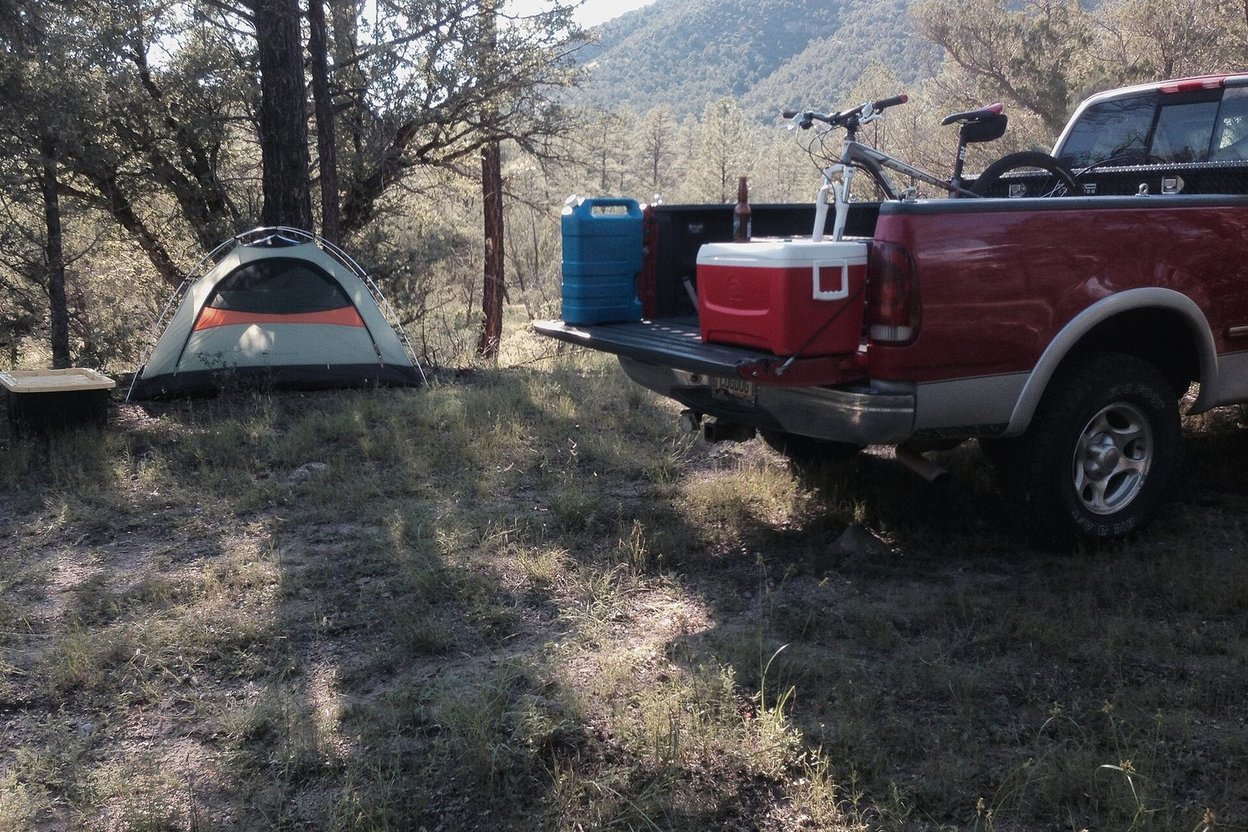
Free camping outside a campground is legal on a lot of public land, if you know the rules. Where you can do it, the stay limits, how to find spots, and how to leave them better than you found them.
Dispersed camping means camping on public land outside of a developed campground: no campsite numbers, no bathrooms, no fees, usually no neighbors. It's legal on a lot of federal land in the U.S., and it's one of the best ways to camp in fall, when the crowds are gone.
The U.S. Forest Service generally allows dispersed camping in national forests unless an area is posted closed. Rules vary by forest and ranger district, so check with the local office or its website.
To find the roads you can legally drive and camp along, look for the forest's Motor Vehicle Use Map (MVUM), which is free from the Forest Service.
The BLM manages huge areas of public land, mostly in the West. Dispersed camping is allowed on most BLM land unless posted otherwise.
These vary, but these are common:
Dispersed camping only stays legal if campers take care of it. Pack out everything, leave fire rings cold, and don't cut live trees. See Leave No Trace in plain words.
New to camping? Start at a campground first; see car camping for beginners and Recreation.gov booking tips.
Photo: Dispersed Camping (14903054048).jpg) by cogdogblog, CC BY 2.0.
Estimate how much candy to buy for campground trick-or-treating, with a per-child formula, 2026 cost figures, and tips on allergies and bear storage.
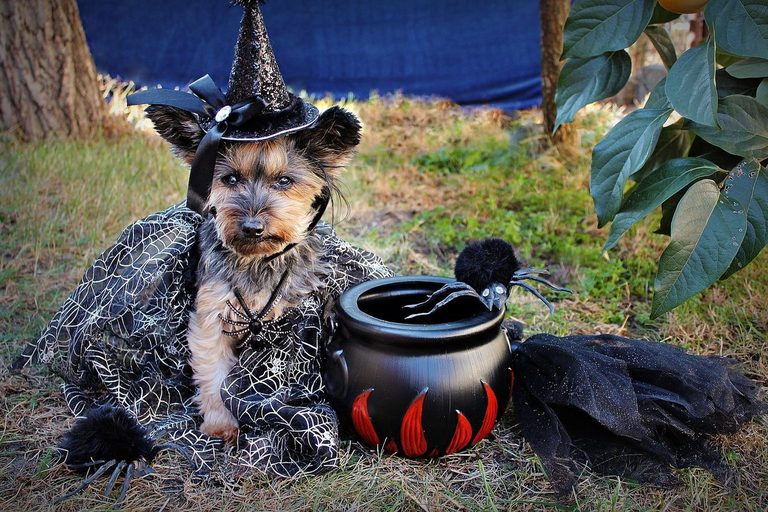
Find out whether campground Halloween costume contests allow dogs, how to confirm a pet division, and which pet rules still apply during the event.
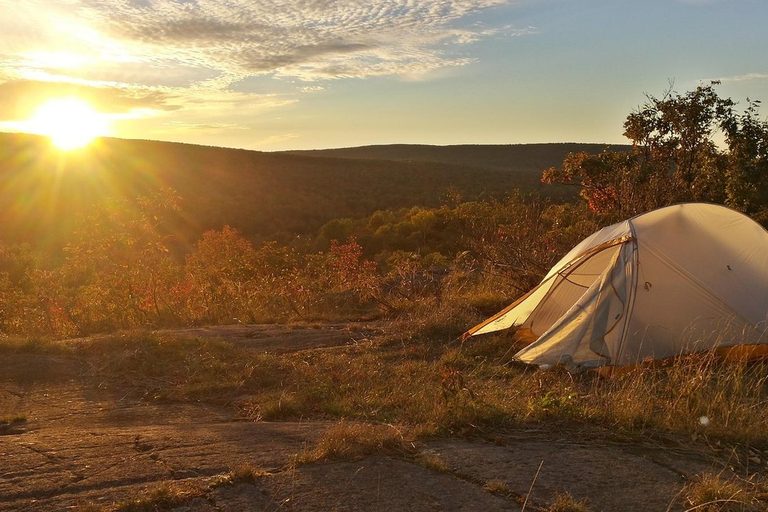
Your campground closes before Halloween? Move your trip to an earlier event, a park open through Nov. 1, or indoor lodging.