
Camping Tips
How to Start a Campfire When Everything Is Wet
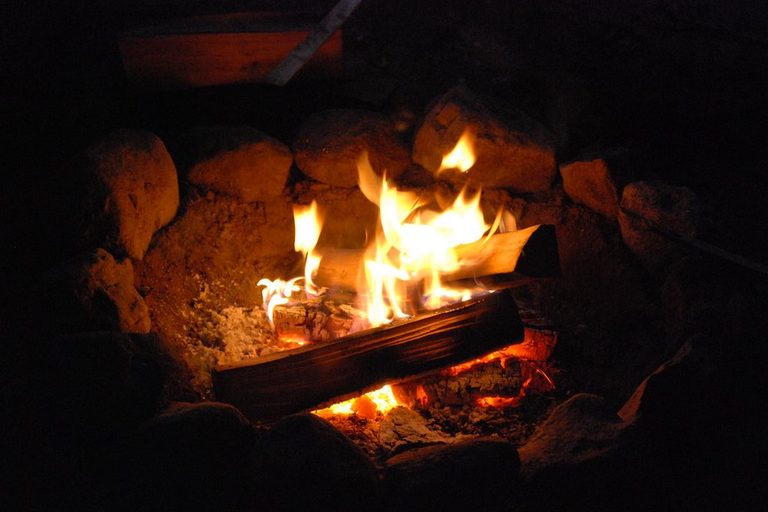
Wet wood? Find the dry inside, make feather sticks and kindling, and build the fire off the ground. Includes how to put it out fully.
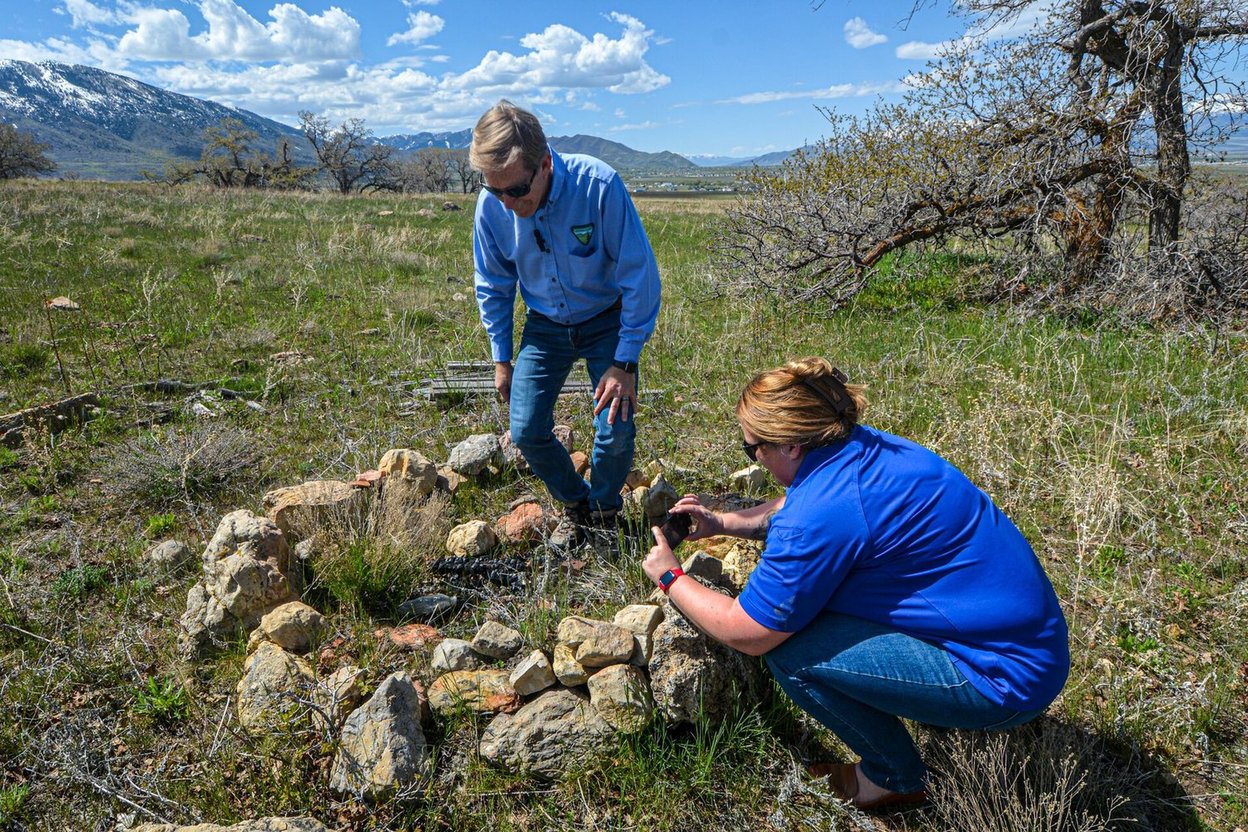
The seven Leave No Trace principles, in plain words, with what they look like at a real campsite: trash, fires, toilet trips, wildlife and noise.
Leave No Trace sounds like something for backpackers in the wilderness, but it applies to every campsite: the state park, the national forest pull-off, and the RV park. It's a set of seven principles from the Leave No Trace Center for Outdoor Ethics. Here's what each one means in plain words.
Know the rules before you go: fire bans, campsite limits, permits, quiet hours. Bring the right gear for the weather so you don't end up cutting branches to stay warm. Repackage food to cut down on trash.
Stick to trails and established campsites. Set up your tent on bare ground, gravel or a tent pad, not on plants. In dispersed areas, use a site that's already been used rather than creating a new one.
"Pack it in, pack it out." Everything you bring in goes home with you, including food scraps, peels and shells. Orange peels and sunflower shells take a long time to break down, and they attract animals.
For human waste where there's no toilet: dig a cat hole 6 to 8 inches deep, at least 200 feet (about 70 big steps) from water, trails and camp. Cover it when you're done. Pack out toilet paper in a bag, or use the trash. Some areas require you to pack out all human waste.
Wash dishes at least 200 feet from water, use a small amount of biodegradable soap, and scatter the strained dishwater.
Leave rocks, plants, antlers and artifacts where they are. Don't build structures, dig trenches or carve trees. Take pictures instead.
Watch from a distance. Never feed animals; it's bad for them and teaches them to come into campsites. Store food, trash and scented items in your vehicle, a bear box, or a bear canister where required.
In fall, wildlife is busy getting ready for winter, and it's also hunting season in many areas. Give animals space.
Keep noise down, especially at night. Keep dogs on a leash and clean up after them; see camping with dogs. Take breaks off the trail so others can pass. Let nature's sounds win.
Kids love having a job. Give them a trash bag and make a game out of leaving the site cleaner than you found it. It's the easiest way to raise the next generation of good campers.
Popular camping spots get worn out fast: trash, fire scars, bare ground, bold animals. Campsites and dispersed areas get closed when they're abused. Leave No Trace is how they stay open.
Learn more at the Leave No Trace Center for Outdoor Ethics.
Photo: Leave No Trace, campfires by BLMUtah, Public domain.
Wet wood? Find the dry inside, make feather sticks and kindling, and build the fire off the ground. Includes how to put it out fully.
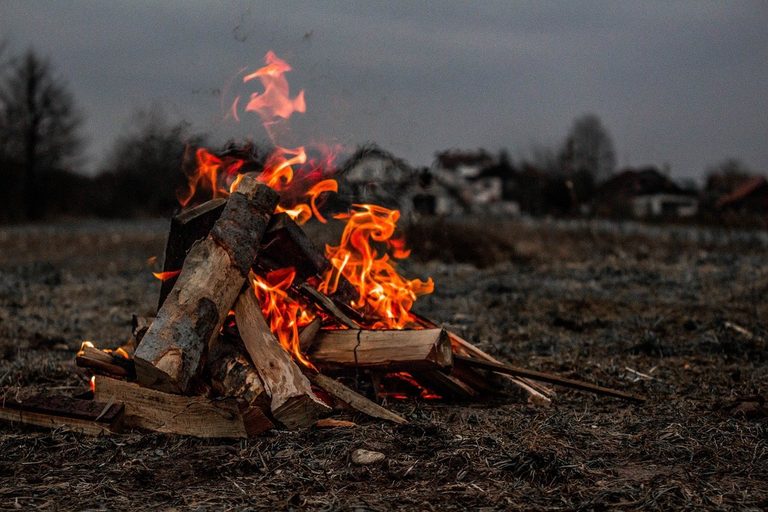
How many firewood bundles a three-night camping trip needs, how to adjust for cold or wet nights and cooking, and why to buy wood near camp.
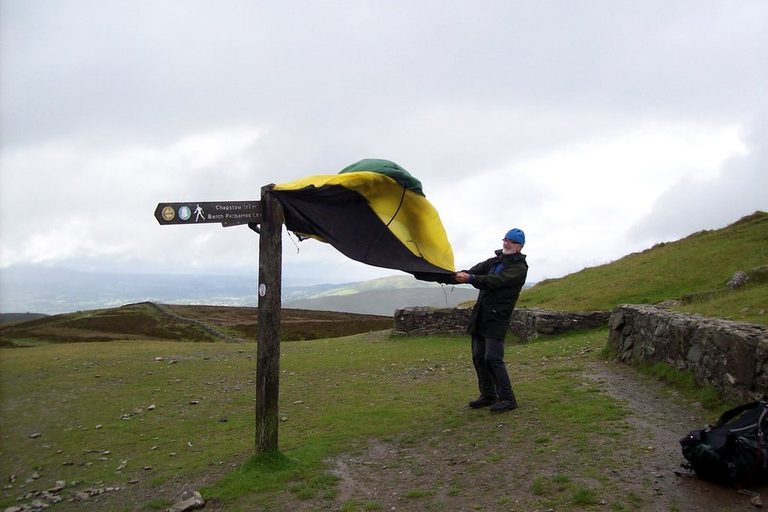
Get a wet tent and damp sleeping bag as dry as you can at camp, pack them safely, and finish drying at home before mildew sets in.