
Camping Tips
How to Start a Campfire When Everything Is Wet
Wet wood? Find the dry inside, make feather sticks and kindling, and build the fire off the ground. Includes how to put it out fully.
Get a wet tent and damp sleeping bag as dry as you can at camp, pack them safely, and finish drying at home before mildew sets in.
You unzip the door on pack-up morning and the fly is soaked. Maybe it rained overnight, or maybe it's just fall and the dew came down heavy on a cold, clear night. Your sleeping bag feels clammy at the feet, and checkout is at 11. The good news is that a wet tent and a damp bag are easy to deal with. Get as much water off as you can at camp, pack everything loose and on its own, and finish drying at home within a day or two. The real damage comes from storing it wet, not from the rain.
Nobody expects your gear to be bone dry before you leave the campsite, and on some mornings it can't be done. The goal at camp is to get rid of as much water as you can, so you're carrying damp gear home and not soaked gear.
The plan looks like this:
The deadline is what matters. Cascade Designs, the company behind MSR tents, warns that mildew can start growing on a wet, crumpled tent within about a day. Moisture is the main cause of mold and mildew, so neither the tent nor the bag goes into the closet until it's completely dry.
Take the tent down last. Make breakfast, load the car and pack the kitchen first. Every minute the tent stays up gives the sun and wind more time to work on it.
Wipe it down while it's still pitched. A tent that's still staked out has tight walls, so a small towel or microfiber cloth can wipe the fly fast. Wring it out and go over the fly again. Then grab the fabric and give it a good shake. You'll be surprised how much water comes off.
Move it to a better spot. If you have a freestanding tent, pull the stakes and carry the whole thing into a patch of sun or a breezy opening. Leaving your tent in the shade of a tree at 9 a.m. is how it stays wet until noon. If it's windy, keep it secured by its stake loops or guylines. An empty tent catches wind like a kite.
Open everything up. Unzip every door and vent so air can move through. Turn the tent on its side or flip it over so the floor can dry too. The floor is usually the wettest part, because it sat on wet ground all night.
Keep the fly and the inner tent apart. Take the fly off and dry it on its own. Drape it over a picnic table, bench or fence once the morning warms up. If you have to pack before it's dry, fold the wet fly around the inner tent so the wet outside stays away from the inner. That way the part you sleep in stays the driest.
Don't let it bake all day. A couple of hours of morning sun is fine. Nemo warns that long stretches of direct sun can damage tent fabric. So don't take a long hike and leave the tent spread out in full sun until dinner.
How long it takes depends on the tent. A lightweight nylon tent can dry in a couple of hours on a warm day. A heavy canvas tent can take around two days, so a canvas tent almost always finishes drying at home.
While the tent dries, unzip your sleeping bag all the way, shake it out hard, and hang or drape it where the wind can reach both sides. A camp chair, car door or clothesline in the breeze works well. If you can, keep it out of strong direct sun. Puffy and Mammut both say UV wears down a bag's shell fabric over time.
Then check the parts that stay wet longest: the footbox, the hood and the shoulders. Your breath condenses near the hood, and your feet push against cold, damp tent walls all night. A bag can feel dry overall and still have a damp footbox, and damp spots like that can grow mildew in storage.
The most important rule is to never try to dry a bag while it's rolled or bundled. A balled-up bag just holds its moisture in.
The fill makes a difference. Synthetic insulation keeps insulating when it's damp, which is one reason families who camp in wet weather often choose synthetic bags. Down clumps up and stops insulating when it gets wet. If you're staying another night, take the time to dry a down bag properly. If you're heading home and it's only a little damp, don't worry about it at camp. Pack it loose and finish the job at home.
When it's time to go, packing a damp tent is fine. Packing it badly is how it gets ruined.
What you shouldn't do is leave the tent in its stuff sack for days. A damp tent in a tight sack in a warm trunk is the perfect place for mildew to grow. And on a busy fall weekend with soccer games, school and Halloween prep, a tent left in the trunk can easily stay there until next spring.
Try to get the tent out within a day or two of getting home.
Set it up, or hang it. Pitching it in the backyard is the easiest way. If it's raining or getting dark early, a garage, basement or covered porch works too. You can also hang it over a clothesline or shower rod, or across a couple of chairs. Cascade suggests hanging it outside or piling it loosely in the house for a few days, turning it inside out partway through so both sides dry.
Use shade and moving air. Indirect light is best. Nemo recommends laying the tent flat or line-drying it out of direct sun. Indoors, a fan on a cool setting with the windows open speeds things up a lot. Check the seams, corners and floor before you call it done, because those dry last.
Keep the tent out of the washer and dryer. REI says never to machine-wash or machine-dry a tent. Nemo warns that high heat can melt tent fabric, and it can damage the waterproof coating and seam tape too. Air is all it needs.
The sleeping bag gets more options, but read the care label first. Some bags say not to use a dryer at all. If yours allows it:
After the dryer, hang the bag for another 24–48 hours so any moisture deep in the fill can escape. If you're skipping the dryer, Nemo suggests line-drying for at least 24 hours on a low-humidity day.
Store them loose. When both are completely dry, keep the tent in a breathable sack. An old pillowcase or mesh bag works. Don't store it compressed in its stuff sack, because Nemo says long-term compression can damage the fabric and seam tape. Keep the sleeping bag in an oversized breathable storage sack or hang it in a closet. Tight compression ruins loft over time. Store both somewhere cool and dry, out of direct sun, which means a closet, not a hot attic or damp shed. If this was your last trip before winter, doing this now means your gear will be ready when camping season starts again.
Maybe the tent did sit in the trunk for a week. If you open it up and smell that musty basement odor, here's what to do:
Be realistic about the results. Cascade Designs says mildew stains are permanent. You can stop it from spreading and get rid of most of the smell, but the spots will stay. Cascade also says mildew and moisture damage aren't covered by the MSR limited warranty, and you shouldn't assume other brands will treat it differently. Fifteen minutes with a towel at camp and a day of airing out at home are cheaper than a new tent.
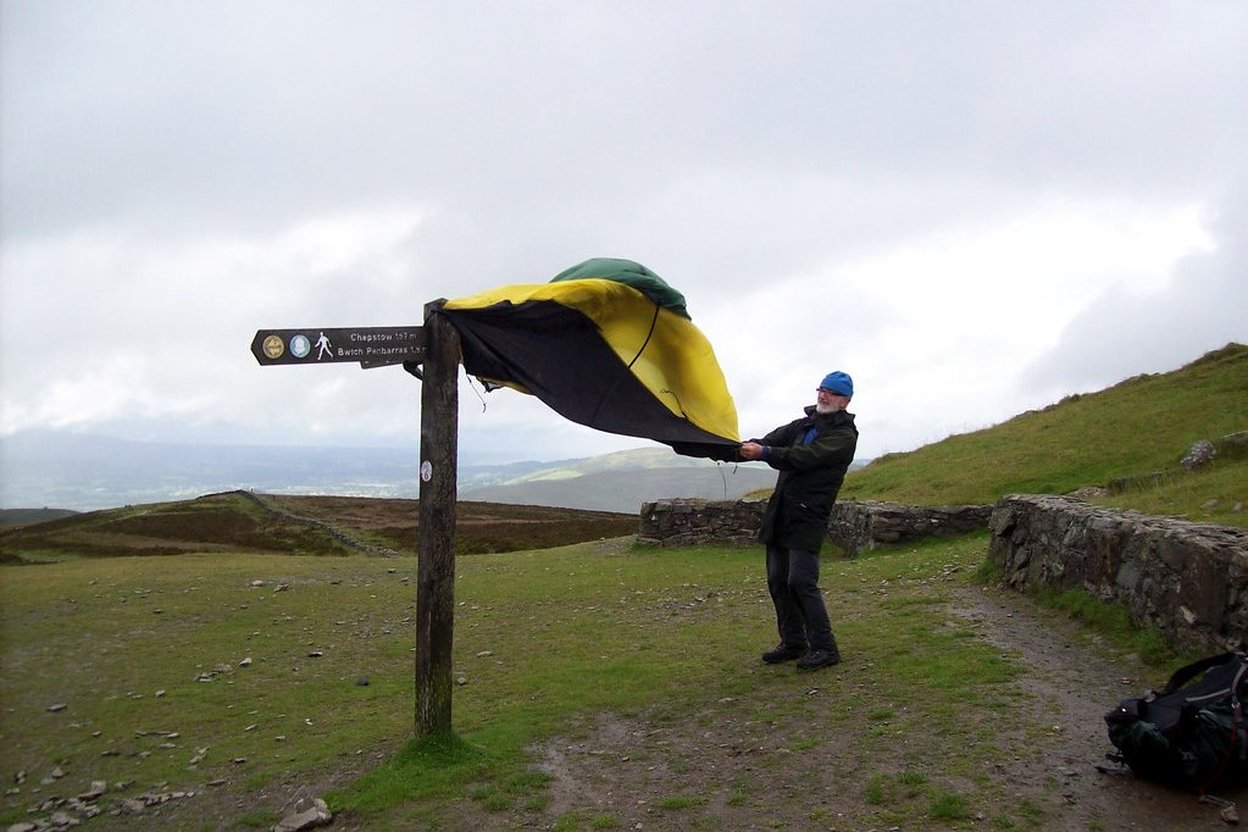
Photo: TENT DRYING AT GEO III JUBILEE TOWER- by summonedbyfells, BY 2.0.
Wet wood? Find the dry inside, make feather sticks and kindling, and build the fire off the ground. Includes how to put it out fully.
How many firewood bundles a three-night camping trip needs, how to adjust for cold or wet nights and cooking, and why to buy wood near camp.
Near freezing, a tent can work if your bag and pad are rated for it. Here's how to decide between a tent and a cabin for your group.