
Camping Tips
How to Start a Campfire When Everything Is Wet
Wet wood? Find the dry inside, make feather sticks and kindling, and build the fire off the ground. Includes how to put it out fully.
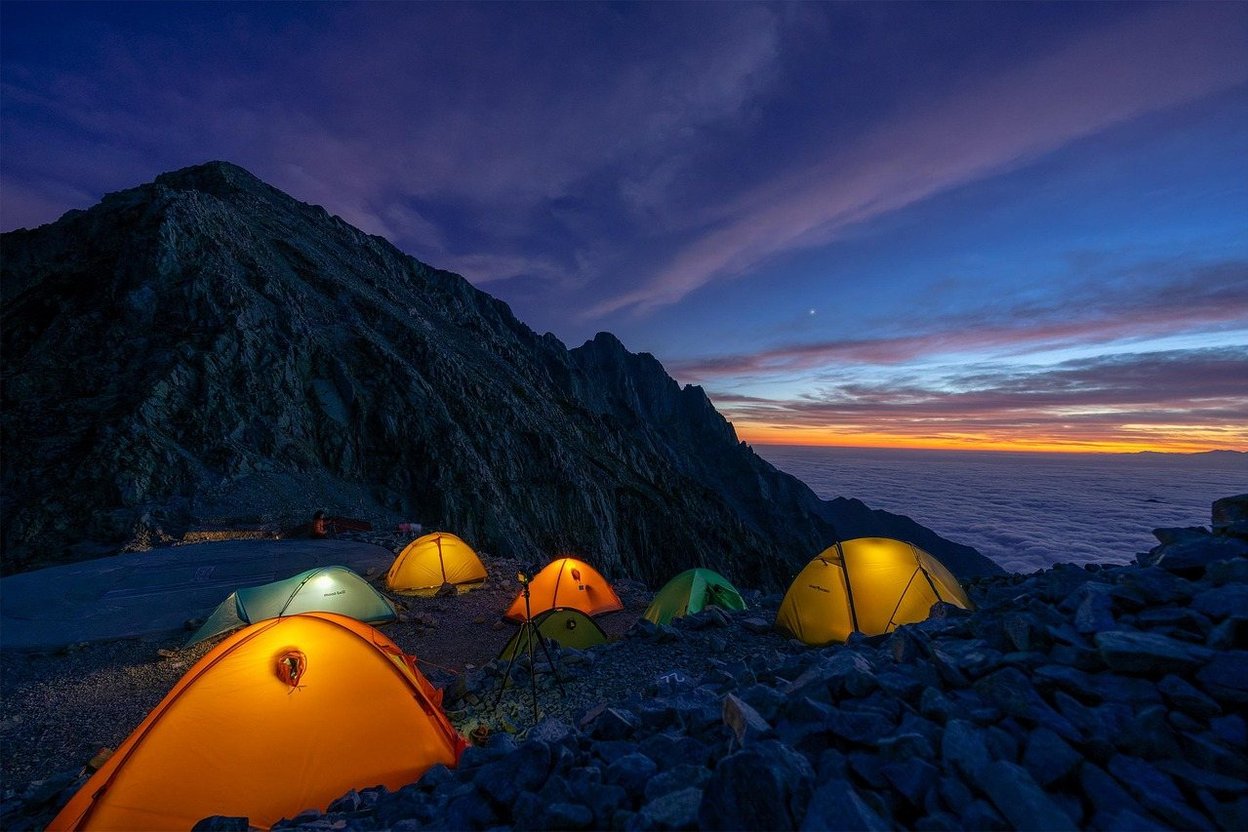
Near freezing, a tent can work if your bag and pad are rated for it. Here's how to decide between a tent and a cabin for your group.
You're checking the weekend forecast, maybe for a late-October trip or the long Thanksgiving weekend, and the overnight low says 31°F. Should you rent a cabin or bring the tent? A tent works fine near freezing if your bag and pad are rated for it and you know how to vent. A cabin is the easier call if you have young kids, if it's your first cold trip, if rain is coming, or if you don't own cold-weather gear. Most of the decision comes down to three questions. What gear do you own? Who's coming? And how do you feel about a 2 a.m. walk to the bathroom?
At about 32°F, a tent is a perfectly reasonable place to sleep. Cold-weather sleeping depends far more on what's under you and around you than on the tent itself. With a bag rated low enough, a pad that keeps the ground from pulling heat out of your back, and a door or vent cracked open, plenty of campers sleep well at that temperature.
The trouble starts when one of those pieces is missing. A summer bag and a thin foam pad will make for a long night at 32°F. With kids it gets harder, because one cold child usually means nobody sleeps. Wet weather makes everything worse: damp gear loses warmth, and packing up a frozen, soggy tent in the morning is a real chore.
A cabin solves most of that at once. You pay more, you give up some of the campfire feel, and you still have work to do before you go. Cabins have their own catches, covered below.
So there's no single answer for everyone. If you own the gear and like being outside more than you mind the cold, take the tent. If you're short on gear, short on experience, or bringing little ones, rent the cabin and save the frosty tent night for another trip.
A bag rated below the forecast. REI says its bags are rated to the ISO 23537 standard, which gives two numbers. The Comfort rating is the lowest temperature at which an average cold sleeper stays comfortable. The Lower Limit is based on a warm sleeper, and it's usually the number printed in the bag's name. A "+25" bag may only be comfortable for a cold sleeper well above 25°F. REI also says ratings are a guide for comparing bags, not a promise of warmth. For a 32°F night, look for a bag whose Comfort rating sits at or below the forecast low, not just its Lower Limit.
A pad that blocks the ground. Most pad guides treat R-4 as the minimum for below-freezing nights, and some recommend R-5 or more. You don't have to buy a new pad to get there, because stacking pads adds their R-values together. A closed-cell foam pad under an inflatable one is a common setup. SectionHiker recommends pads tested to the ASTM F3340-18 standard, since some makers still publish R-values that weren't measured that way.
Ventilation, even though it feels backward. Your breath puts moisture into the tent. On a cold night that moisture condenses on the walls and drips onto your bag. Venting is the main fix, and a wide opening works better than a small one. Don't boil water or cook inside, since that adds even more moisture. In very cold weather you can only cut condensation down, not stop it, so bring a small towel to wipe the walls in the morning.
No fuel-burning heater. It's tempting, but the Consumer Product Safety Commission says never to use fuel-burning portable heaters or lanterns while sleeping in tents, campers, or vehicles. A CPSC review of 12 incidents involving portable propane heaters found 18 carbon monoxide deaths, all in tents, campers, trailers, or vehicles. Early CO symptoms like headache, dizziness, and confusion can feel like a cold or the flu. If you want to be warmer, upgrade your sleep system, not your heat source.
A good cabin gives you walls, heat, and a bed off the ground, which is exactly what a near-freezing night calls for. Kids can change into pajamas without shivering, wet boots can dry, and a cold morning starts at room temperature. Virginia State Parks, for example, says it has more than 300 climate-controlled cabins, and many state systems keep some cabins open all year.
Before you book, check two things.
Bedding usually isn't included. Many KOA camping cabins have heat and air conditioning but no linens. The Sioux Falls, Mercer (PA), Wendover (UT/NV), and Hixton (WI) KOAs all list bring-your-own-bedding policies. Some Iowa state park cabins that stay open year-round also ask guests to bring their own bedding and towels. You'll still pack sleeping bags or sheets and blankets, just lighter ones than a tent would need. Read the listing for your exact cabin, because policies differ from park to park.
"Cabin" doesn't always mean winter-ready. Some rustic camping cabins are basically a wooden box with a bed and an outlet. KOA's listing for its Seligman, Arizona, rustic cabins says they have heat and A/C but may not be suitable below freezing. Many rustic cabins also have no bathroom or running water. That 2 a.m. walk to the restroom still happens, just from a warmer starting point. If the listing doesn't say "heated," "winterized," or "year-round," ask before you book.
Cabins cost more, though off-season rates help. Winter state park cabin rates commonly run from about $35 to $125 a night, and larger or premium units cost more. Some Virginia off-season examples:
Off-season prices there mostly rise only on peak weekends such as Thanksgiving and Christmas. If you're eyeing late November, book early and expect to pay more. All these figures change, so check the park's current rate sheet.
Tent sites are cheaper, and winter makes them cheaper still. At Steinaker State Park in Utah, dry tent sites are $25 in winter compared with $30 in summer. Winter rates there start when the water gets shut off, which is a hint about what winter camping often looks like: fewer services, colder bathrooms or none, and quieter loops. The same park rents its Dippy Cabin for $80 a night. That's a $55 nightly difference, which buys a lot of gear over a couple of trips.
Sometimes the choice is made for you. Some parks keep cabins open in winter but close tent camping. At New York's Moreau Lake, off-season cabins have run $40 to $60, and winter camping isn't allowed. Check each park's season dates before you set your plan.
What you give up. A cabin trip feels different. You hear less of the wind and the creek, and evenings tend to move inside once the fire burns down. For some families that's fine. For others, the frosty tent morning is the whole point of going. Pets cost extra in many cabins, too. KOA pet fees vary by location, and Sioux Falls charges $20 per pet for the stay.
Run through this before you book:
If you answered "cabin" to more than one of these, book the cabin. If the tent passed every check, go enjoy a cold, quiet campground.
Photo by Kanenori on Pixabay.
Wet wood? Find the dry inside, make feather sticks and kindling, and build the fire off the ground. Includes how to put it out fully.
How many firewood bundles a three-night camping trip needs, how to adjust for cold or wet nights and cooking, and why to buy wood near camp.
Get a wet tent and damp sleeping bag as dry as you can at camp, pack them safely, and finish drying at home before mildew sets in.