
Camping Gear
LED vs. Gas Lanterns at the Campsite: Which One Goes Where
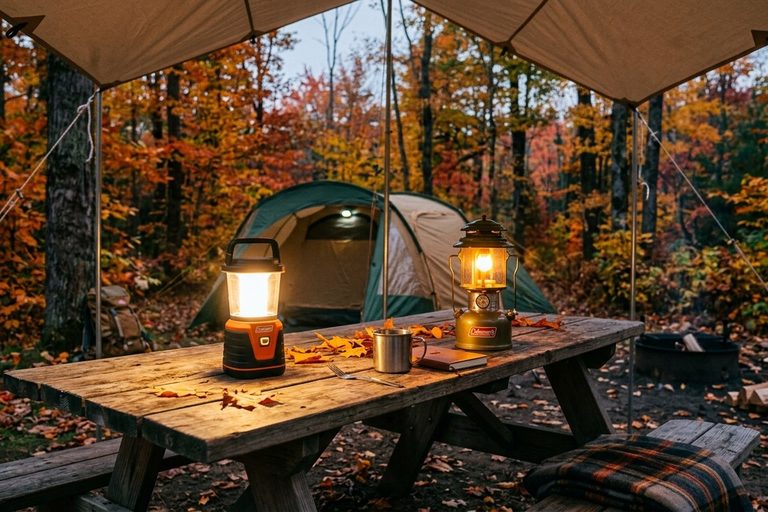
Put an LED lantern in the tent and a propane lantern outside. Compare brightness, run time, carbon monoxide risk and cost to see why.
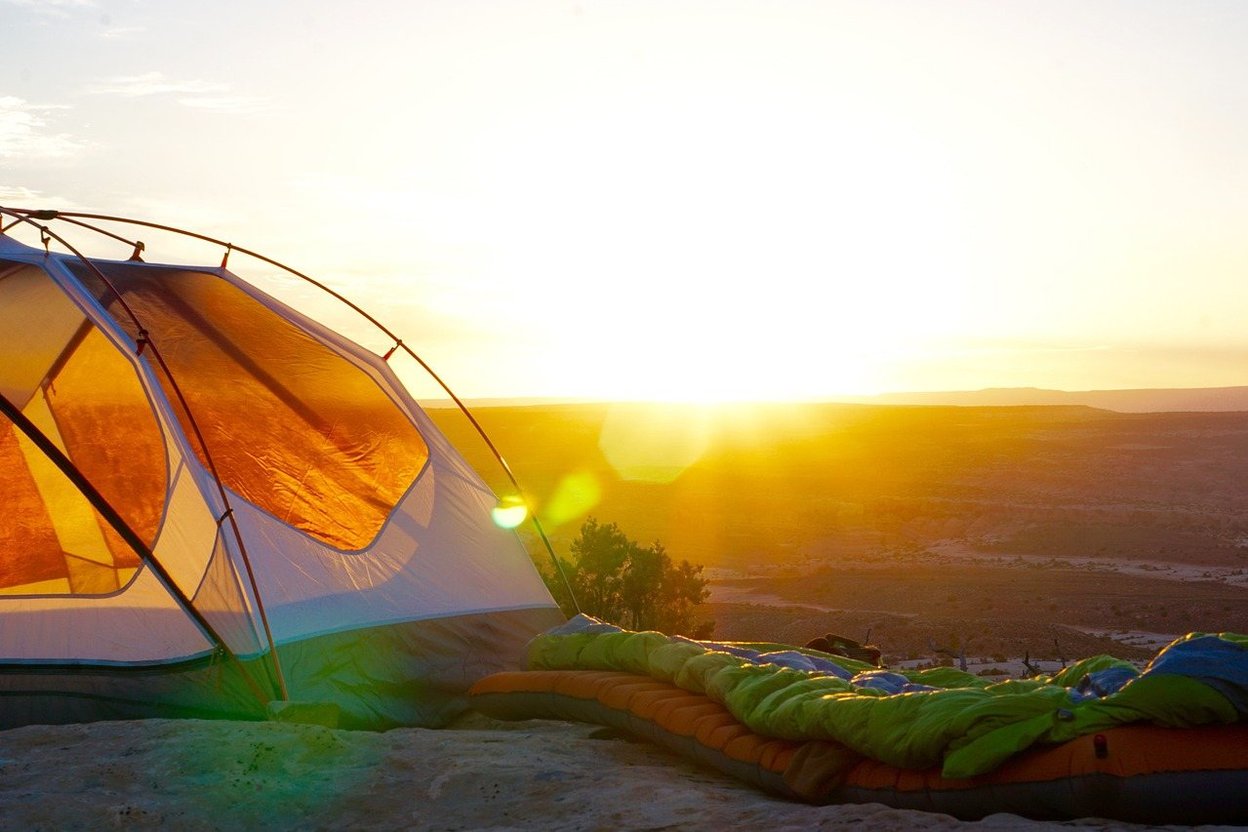
A '20-degree bag' doesn't mean you'll be comfortable at 20 degrees. What comfort, limit and extreme ratings really mean, how to pick a bag for fall and winter, and how to sleep warmer in the one you have.
The number on a sleeping bag is one of the most misunderstood numbers in camping. Buy a "30-degree bag," take it out on a 30-degree night, and a lot of people spend the night shivering. That's not because the bag lied. It's because of how the number is measured.
Most major brands test bags using a standard lab method (ISO 23537, which replaced the older EN 13537). It uses a heated mannequin in a cold chamber and gives up to three numbers:
When a bag is sold as a "20-degree bag," the 20 is usually the limit rating. If you sleep cold, look at the comfort rating instead, which is often 8 to 12 degrees warmer.
The lab test assumes:
In real life, a lot of people are sleeping on a cheap air mattress with no insulation, in cotton clothes, after a cold, damp day. The ground pulls heat out of you through the bottom of the bag, because your body weight crushes the insulation underneath you. That's why your pad matters as much as your bag. See sleeping pad R-values explained.
Kids lose heat faster and are more likely to wiggle out of a bag. Use a kid-sized bag (an adult bag has too much empty space to heat) and check on them through the night in cold weather.
Don't store a bag in its stuff sack; compressing it for months breaks down the insulation. Keep it loose in a big storage sack or hanging in a closet.
For the full cold-weather setup, see fall camping: staying warm when nights drop below 40.
Photo by StockSnap on Pixabay.
Put an LED lantern in the tent and a propane lantern outside. Compare brightness, run time, carbon monoxide risk and cost to see why.
Watt-hours set how long a power station runs and watts set what it can run. Here's how to size one for a camper before you buy.
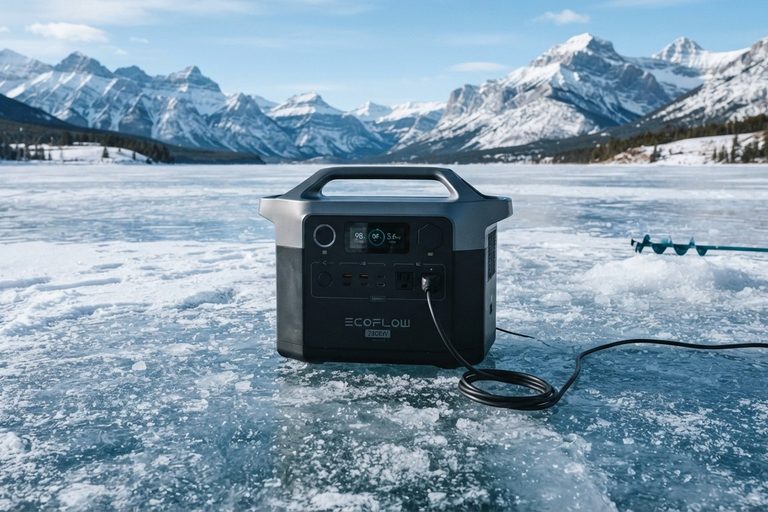
Lithium power stations shouldn't charge below 32°F. Learn why, what Jackery, EcoFlow, Anker and Bluetti specify, and how to keep yours warm enough.