
Camping Tips
How to Start a Campfire When Everything Is Wet
Wet wood? Find the dry inside, make feather sticks and kindling, and build the fire off the ground. Includes how to put it out fully.
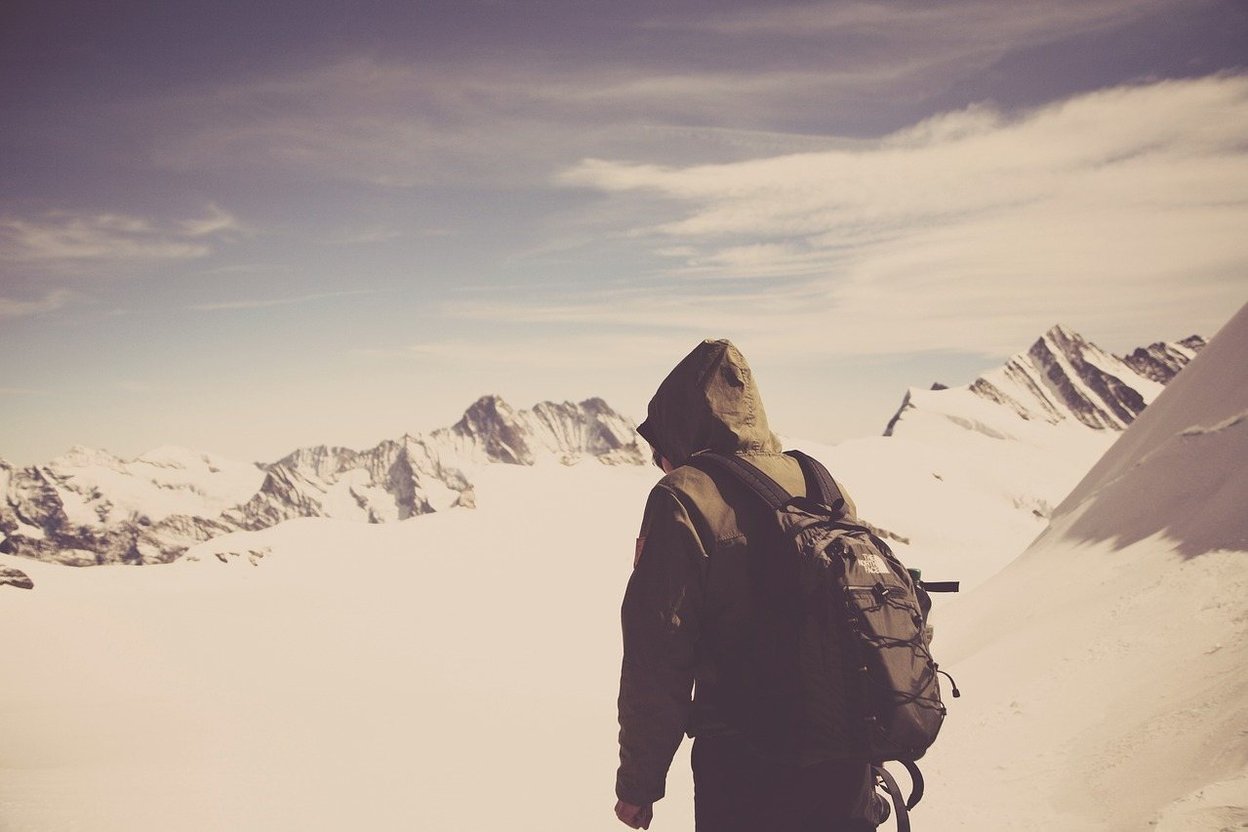
Staying warm at camp in fall and winter is about layers, not one big coat. How base, middle and outer layers work, why cotton is the enemy, and what to wear to bed.
Fall camping has a trick to it: the afternoon can be 60 degrees and sunny, and by midnight it's 35 and damp. One heavy coat doesn't handle that. Layers do. You add them when you stop moving and peel them off when you start working, and you stay dry the whole time. Dry is the whole game.
1. Base layer (next to your skin). Its job is to move sweat away from your skin. Wool (merino is soft and doesn't itch) or synthetic long underwear, top and bottom. Lightweight for active days, midweight for cold nights.
2. Middle layer (the warmth). This traps warm air. A fleece jacket, a wool sweater, or a puffy jacket (down or synthetic). On a cold night at camp you might wear two: a fleece and a puffy over it.
3. Outer layer (the shell). This stops wind and rain. A rain jacket and rain pants. Wind steals heat fast, and a wet middle layer stops working, so the shell matters even on a dry day if it's windy.
Jeans, cotton hoodies and cotton socks soak up sweat and rain and hold it against you. Wet cotton pulls heat out of your body and takes forever to dry. In summer that's fine. On a 40-degree night it can make you miserable, or worse. Leave the cotton for the drive home.
The fastest way to get cold is to work up a sweat setting up camp or hauling firewood in your warm layers, then sit down. Take layers off before you start working, even if you feel a little cool at first. Put them back on as soon as you stop.
A dry base layer, dry socks and a hat. Not the clothes you wore all day, which are damp with sweat even if they don't feel it. If you're still cold, put your puffy jacket over your sleeping bag like a blanket, or wear it inside. And remember the cold comes from below: a good pad matters as much as the bag. See sleeping pad R-values explained and sleeping bag temperature ratings explained.
For more on staying warm after dark, see fall camping: staying warm when nights drop below 40.
Photo by StockSnap on Pixabay.
Wet wood? Find the dry inside, make feather sticks and kindling, and build the fire off the ground. Includes how to put it out fully.
How many firewood bundles a three-night camping trip needs, how to adjust for cold or wet nights and cooking, and why to buy wood near camp.
Get a wet tent and damp sleeping bag as dry as you can at camp, pack them safely, and finish drying at home before mildew sets in.