
Camping Tips
How to Start a Campfire When Everything Is Wet
Wet wood? Find the dry inside, make feather sticks and kindling, and build the fire off the ground. Includes how to put it out fully.
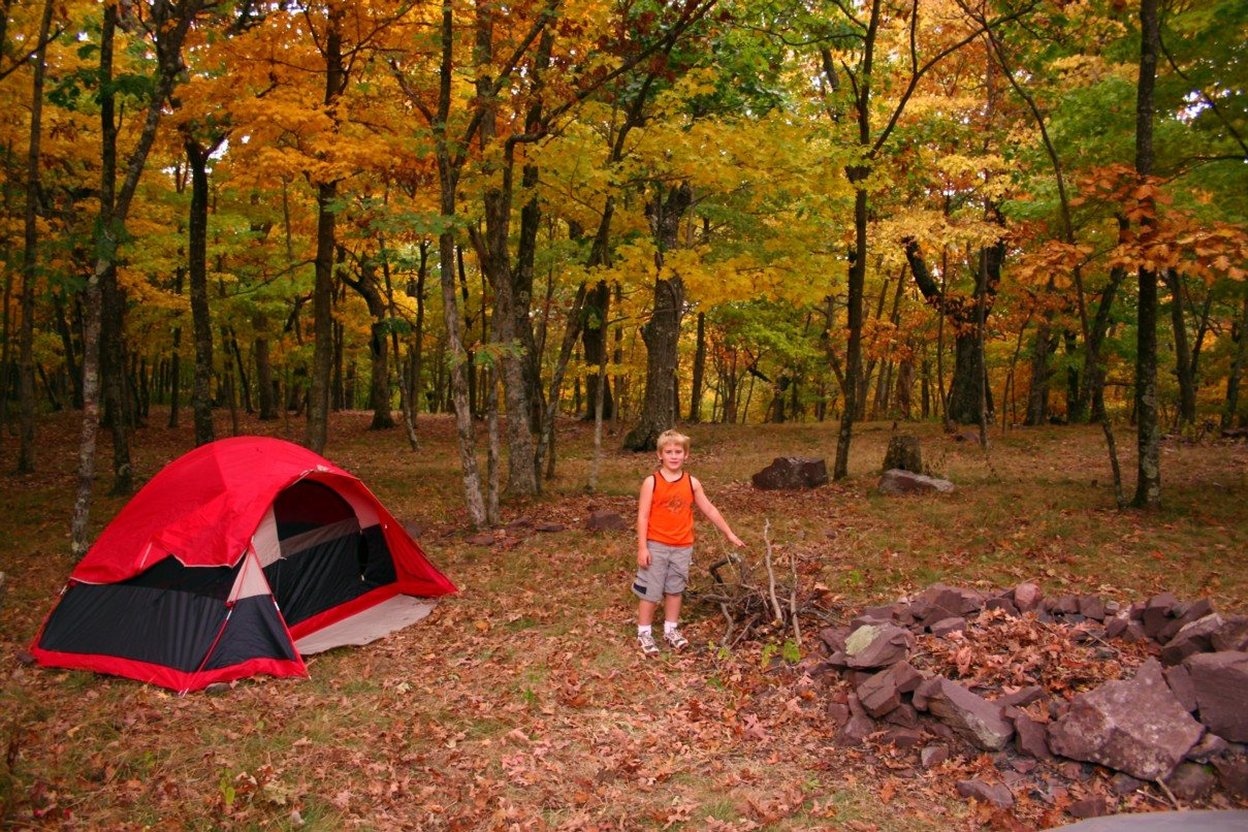
Fall is the best camping season, if you can sleep warm. How sleeping bag ratings really work, why your pad matters as much as your bag, and the small tricks that keep a cold night comfortable.
Fall might be the best camping season of the year. The bugs are gone, the campgrounds are quieter, the leaves are turning, and a campfire finally feels like it's earning its keep. The one thing that ruins a fall trip is a miserable night shivering in the tent at 3 a.m.
The good news: staying warm when it drops into the 30s isn't about expensive gear. It's mostly about understanding how you lose heat and plugging the leaks.
That number on the bag isn't a promise. Most quality bags are now tested under the ISO 23537 standard (it replaced the older EN 13537). In a lab, a heated mannequin lies inside the bag in a climate-controlled room, and the bag gets two key numbers:
The big number printed on the stuff sack is often the limit rating. So a "30-degree bag" may only be comfortable down to about 40. For fall nights in the 30s, many campers do best with a bag whose comfort rating is at or below the coldest temperature in the forecast.
Here's the mistake almost everyone makes. You crush the insulation under your body, so a sleeping bag does very little underneath you. The cold ground pulls heat out of you all night. That's the job of your sleeping pad.
Pads are rated by R-value, a measure of how well they resist heat loss. The higher the number, the warmer. A thin summer pad might be around R-2. For fall nights near freezing, aim for something in the R-4 range or higher. You can stack two pads too: a closed-cell foam pad under an inflatable one is a cheap, reliable upgrade.
Car campers: an air mattress is one of the coldest things you can sleep on. All that air gets cold. Put a foam pad or a blanket on top of it, between you and the mattress.
Never bring a fuel-burning heater, stove or grill into a closed tent to warm it up. Every year campers die from carbon monoxide this way. If you want to use a heater, use one made and rated for indoor or tent use, follow its instructions exactly, and never sleep with a combustion heater running. We'll cover tent heaters in detail in a future post.
Get your sleep system right and fall camping is hard to beat: crisp mornings, coffee steaming over the fire, and a campground with half the summer crowd. Check the overnight low before you go, plan your sleep system for five degrees colder than the forecast, and you'll wake up ready for the trail instead of counting the hours until sunrise.
OnePlanet: ISO 23537-1 temperature testing; Backpacking Light: Sleeping bag temperature ratings.
Photo: Camp - West Virginia - ForestWander by ForestWander, CC BY-SA 3.0 US.
Wet wood? Find the dry inside, make feather sticks and kindling, and build the fire off the ground. Includes how to put it out fully.
How many firewood bundles a three-night camping trip needs, how to adjust for cold or wet nights and cooking, and why to buy wood near camp.
Get a wet tent and damp sleeping bag as dry as you can at camp, pack them safely, and finish drying at home before mildew sets in.