
Camping Tips
How to Start a Campfire When Everything Is Wet
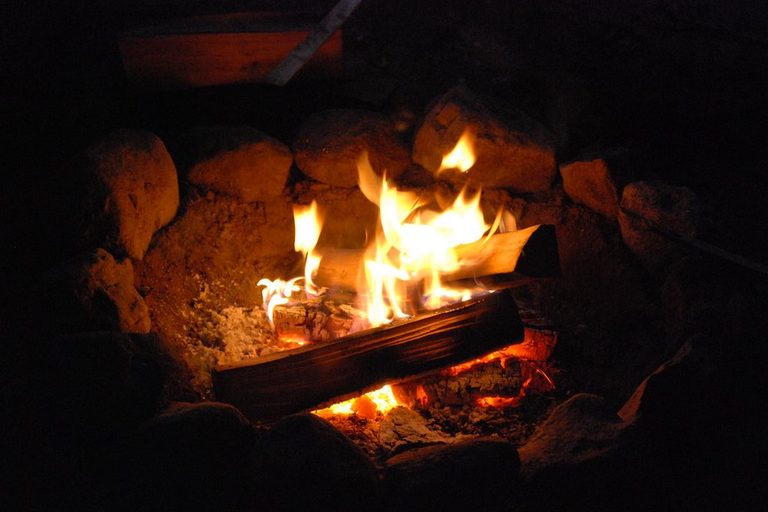
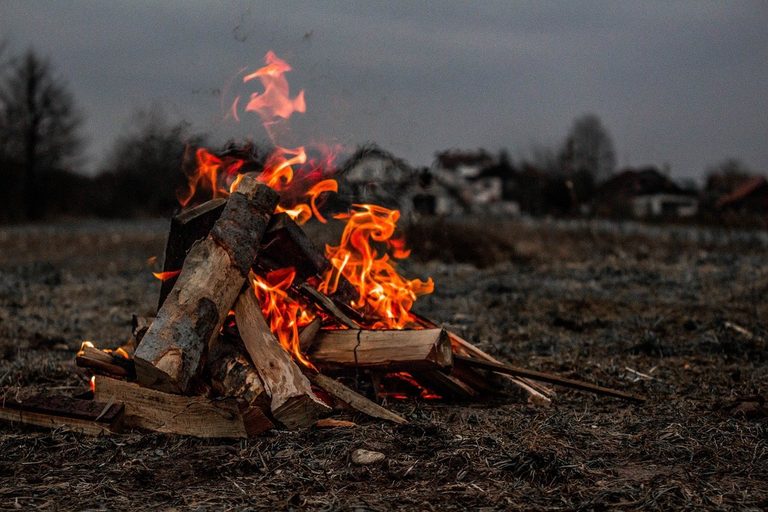
Wet wood? Find the dry inside, make feather sticks and kindling, and build the fire off the ground. Includes how to put it out fully.
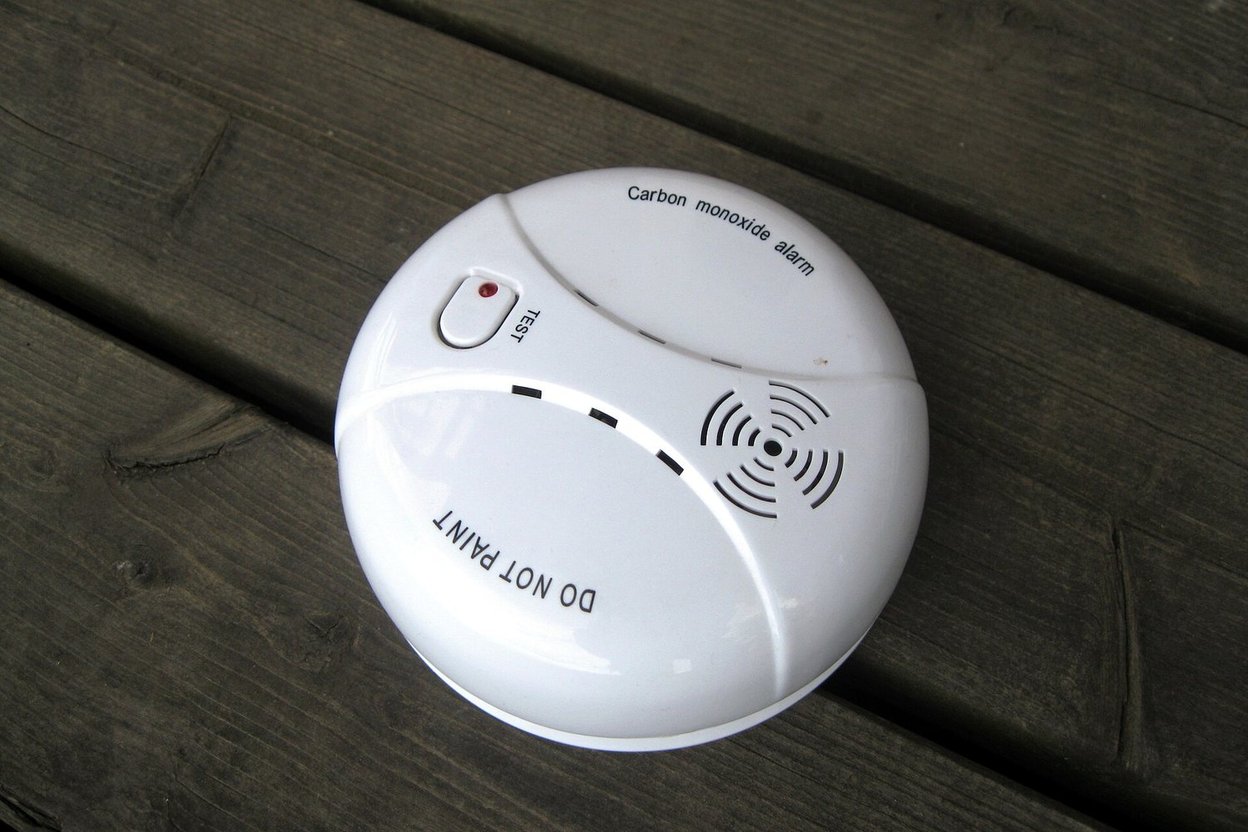
Cold weather means closed windows, furnaces and heaters running, and generators nearby. Why every camper needs a working CO alarm, where it goes, and when to replace it.
Carbon monoxide (CO) has no smell, no color and no taste. In a closed camper on a cold night, with heaters running and generators nearby, it's one of the real dangers of fall and winter camping.
The rule is simple: have a working CO alarm and test it every trip.
Most RVs come with a CO alarm, usually mounted low on a wall near the sleeping area. Check yours:
In a tent with any heater, bring a battery-powered CO alarm too. See tent heaters: what's safe.
A CO alarm is cheap. Test it.
Photo: Carbon monoxide alarm by Santeri Viinamäki, CC BY-SA 4.0.
Wet wood? Find the dry inside, make feather sticks and kindling, and build the fire off the ground. Includes how to put it out fully.
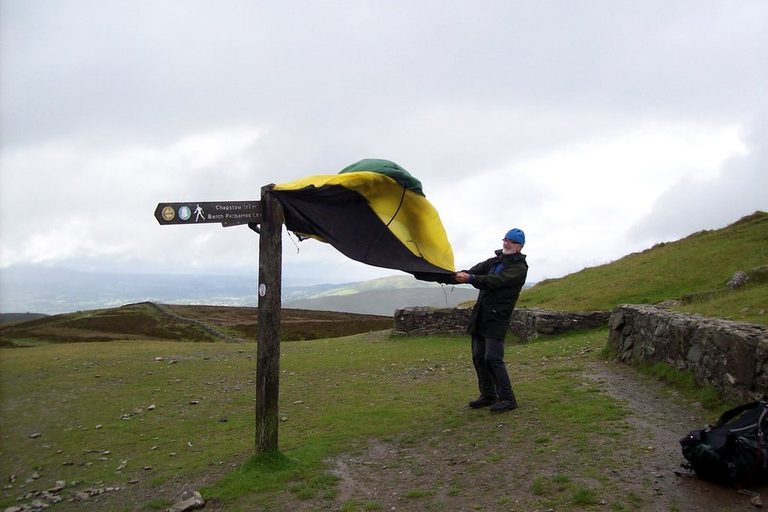
How many firewood bundles a three-night camping trip needs, how to adjust for cold or wet nights and cooking, and why to buy wood near camp.
Get a wet tent and damp sleeping bag as dry as you can at camp, pack them safely, and finish drying at home before mildew sets in.