
Camping Tips
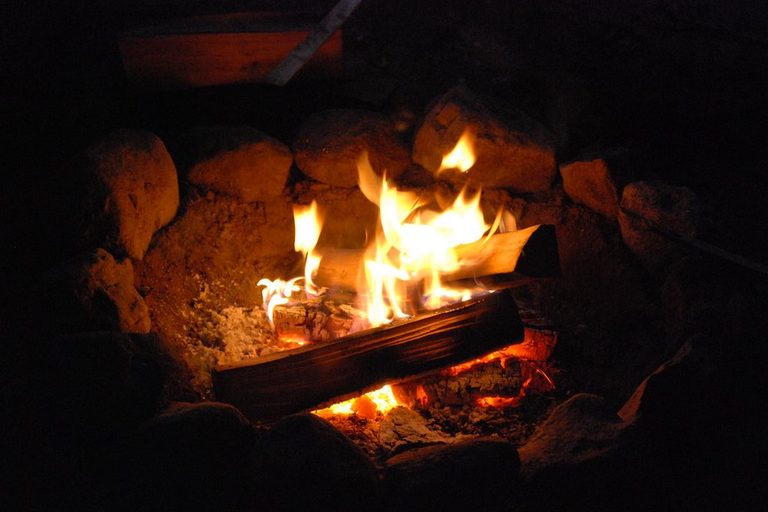
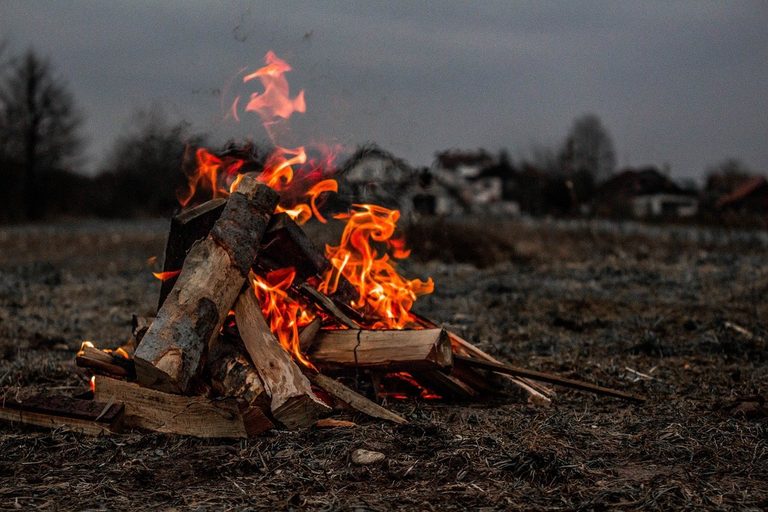
How to Start a Campfire When Everything Is Wet
Wet wood? Find the dry inside, make feather sticks and kindling, and build the fire off the ground. Includes how to put it out fully.
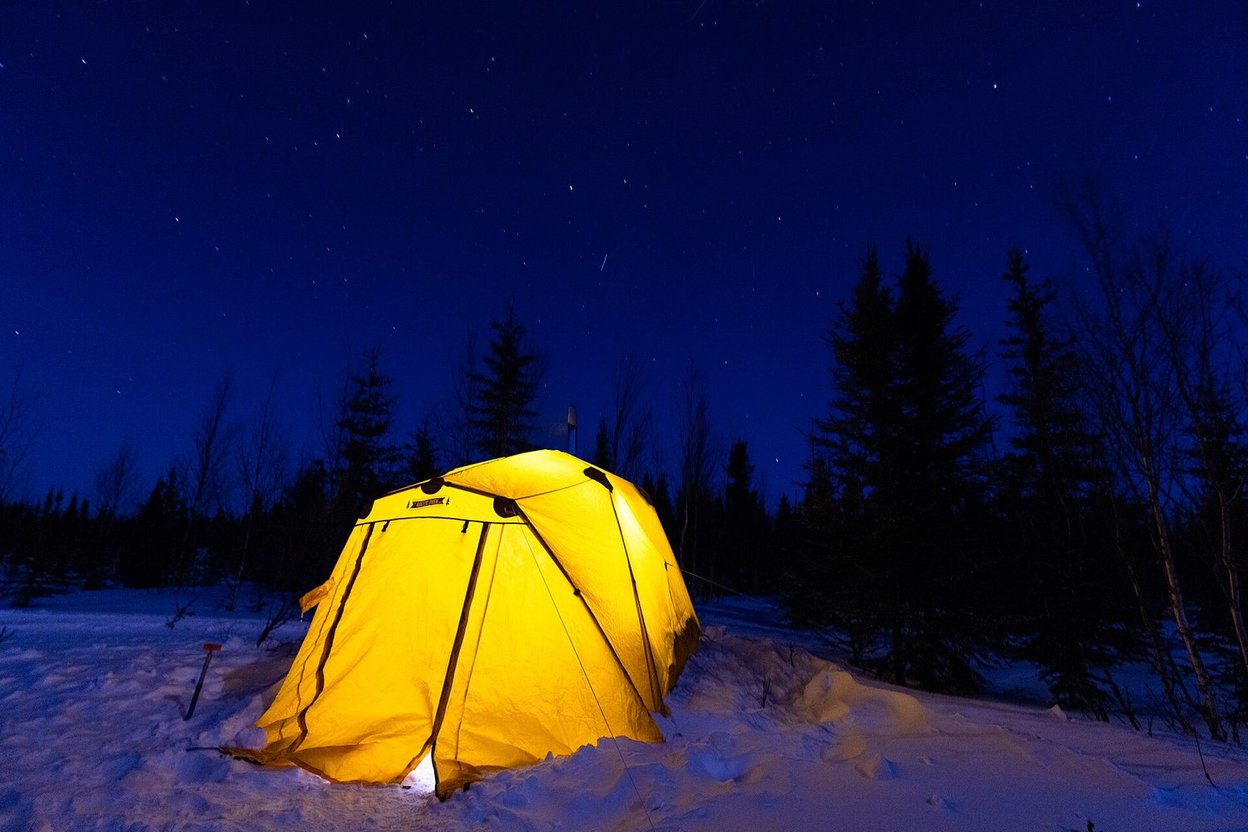
Every year campers die from carbon monoxide trying to warm a tent. Which heaters are made for tents, the safety rules if you use one, and safer ways to stay warm without a heater.
A heater can turn a frosty fall night in the tent into a comfortable one. Used wrong, it can kill you. Carbon monoxide (CO) from fuel-burning heaters, stoves and grills brought into tents causes deaths and injuries every year. Here's how to think about heating a tent.
Some portable propane heaters are rated for indoor use. They typically have an oxygen depletion sensor and a tip-over shutoff. If you use one:
At campsites with electric hookups, a small electric heater with tip-over and overheat protection is the safest heat. Use a properly rated outdoor extension cord. Portable power stations generally can't run a heater for long; heaters draw a lot of power. See portable power stations for camping.
Most of the time, you don't need a heater at all:
If you heat a tent, use only a heater made for it, ventilate, carry a CO alarm, and turn it off before you sleep. Better yet, build a sleep system warm enough that you don't need one. See fall camping below 40.
Photo: Arctic camping in the snow (52828156926).jpg) by USFWSAlaska, Public domain.
Wet wood? Find the dry inside, make feather sticks and kindling, and build the fire off the ground. Includes how to put it out fully.
How many firewood bundles a three-night camping trip needs, how to adjust for cold or wet nights and cooking, and why to buy wood near camp.
Get a wet tent and damp sleeping bag as dry as you can at camp, pack them safely, and finish drying at home before mildew sets in.