
Camping Gear
LED vs. Gas Lanterns at the Campsite: Which One Goes Where
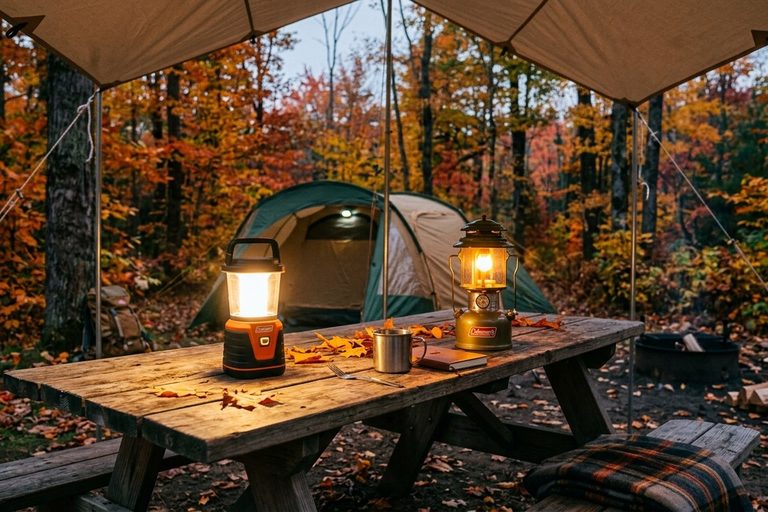
Put an LED lantern in the tent and a propane lantern outside. Compare brightness, run time, carbon monoxide risk and cost to see why.
A portable power station runs lights, phones, CPAP machines and small appliances at camp without a generator's noise. How to size one, what it can and can't run, and how to recharge it.
A portable power station is a big rechargeable battery with outlets. At camp, it quietly runs your lights, phones, a fan, a CPAP machine or a small fridge, with no fumes and no generator noise annoying the neighbors. Here's how to pick one and use it well.
Rough run-time math: watt-hours ÷ device watts ≈ hours, minus about 10–20% for losses. A 500 Wh station running a 50 W device lasts roughly 8–9 hours.
LiFePO4 (lithium iron phosphate) batteries last many more charge cycles and are considered more stable; they're heavier. Standard lithium-ion is lighter.
Keep it dry and ventilated, don't cover it while charging, and check for recalls on any battery product you own. Our sister site covers battery recalls and safe storage, and how the same stations work at home in an outage: power station vs. generator.
A power station is one of the nicest upgrades for car camping. Just size it to what you'll really use.
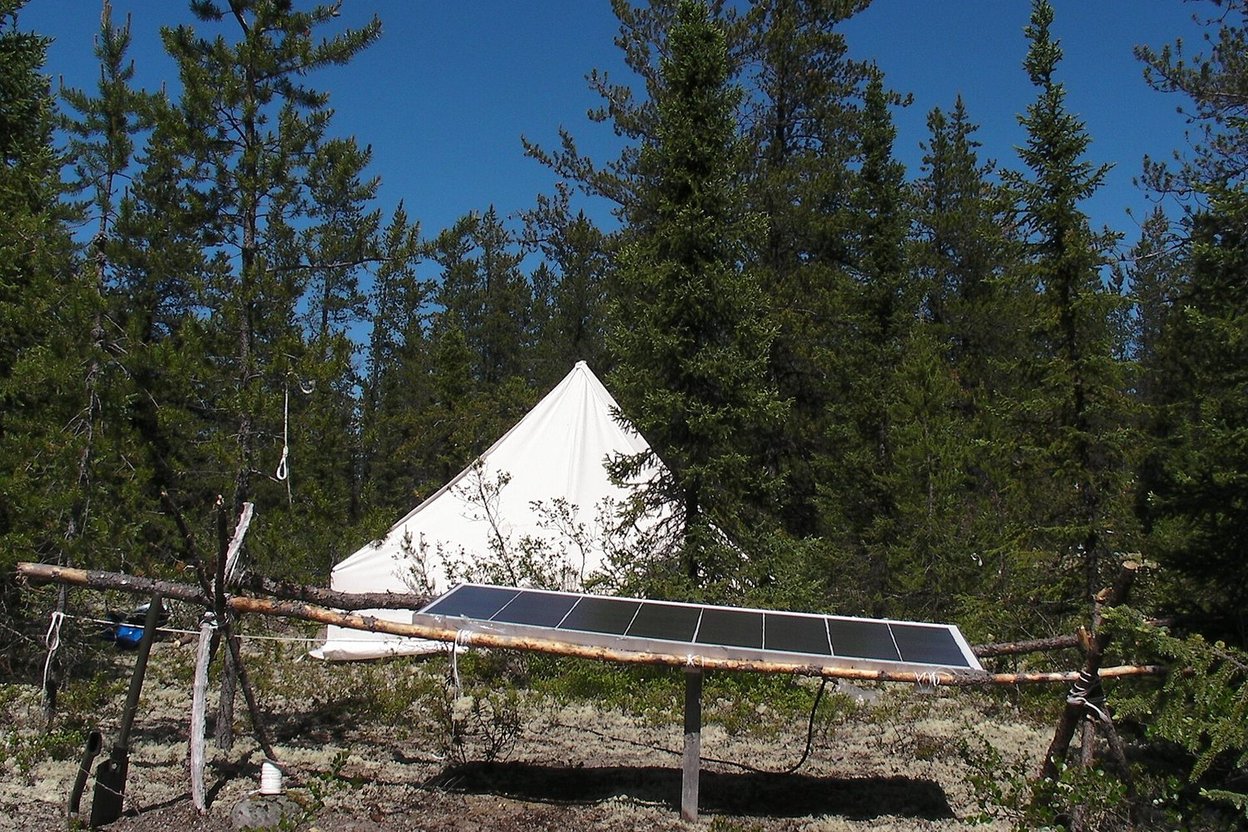
Photo: Camp de base Base camp (2632189979).jpg) by peupleloup, CC BY-SA 2.0.
Put an LED lantern in the tent and a propane lantern outside. Compare brightness, run time, carbon monoxide risk and cost to see why.
Watt-hours set how long a power station runs and watts set what it can run. Here's how to size one for a camper before you buy.
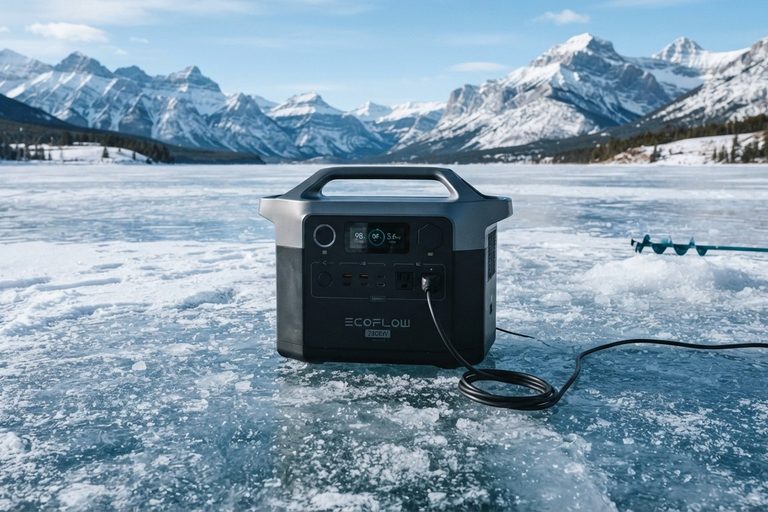
Lithium power stations shouldn't charge below 32°F. Learn why, what Jackery, EcoFlow, Anker and Bluetti specify, and how to keep yours warm enough.