
Camping Tips
How to Start a Campfire When Everything Is Wet
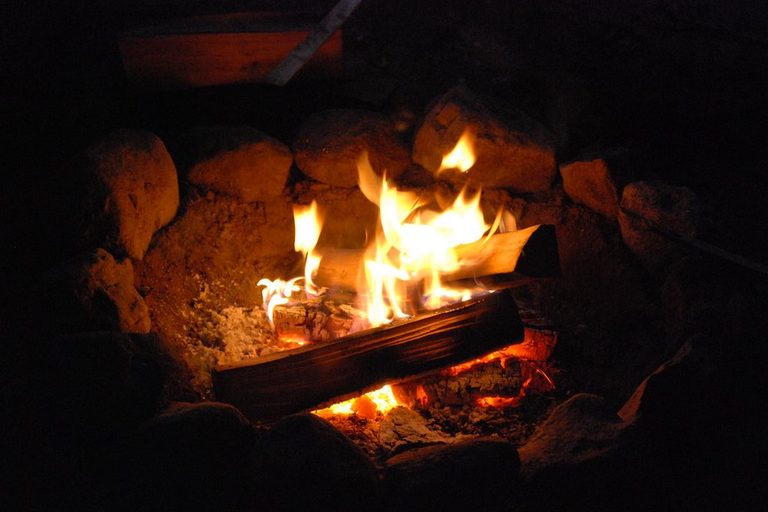
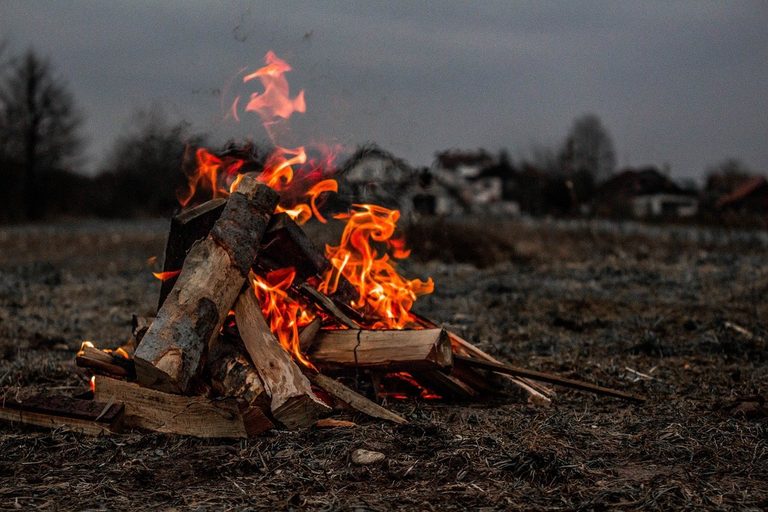
Wet wood? Find the dry inside, make feather sticks and kindling, and build the fire off the ground. Includes how to put it out fully.
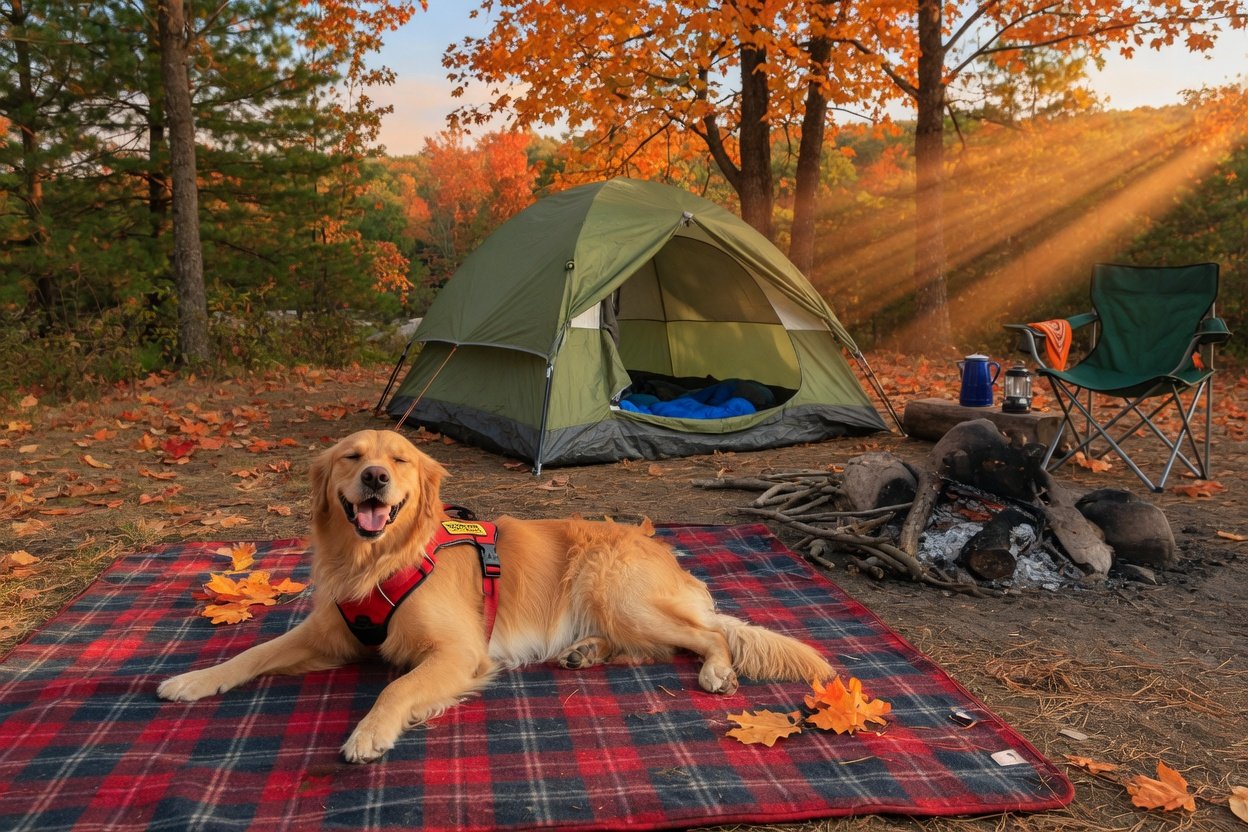
Dogs make great camping partners if you plan for them. Campground and park pet rules, gear to bring, keeping your dog warm on fall nights, and being a good neighbor.
Many dogs love camping as much as their people do. A little planning keeps your dog safe and comfortable and keeps the neighbors happy.
Short-haired, small and older dogs get cold. Bring a dog jacket, give them an insulated pad (not the bare tent floor), and let them sleep in the tent with you. Never leave a dog in a car or tent in heat or cold.
Don't leave a dog alone at camp, keep barking under control, and always pick up after them. A well-behaved dog helps keep campgrounds dog-friendly for everyone.
New to camping yourself? See car camping for beginners.
Wet wood? Find the dry inside, make feather sticks and kindling, and build the fire off the ground. Includes how to put it out fully.
How many firewood bundles a three-night camping trip needs, how to adjust for cold or wet nights and cooking, and why to buy wood near camp.
Get a wet tent and damp sleeping bag as dry as you can at camp, pack them safely, and finish drying at home before mildew sets in.