
Campgrounds
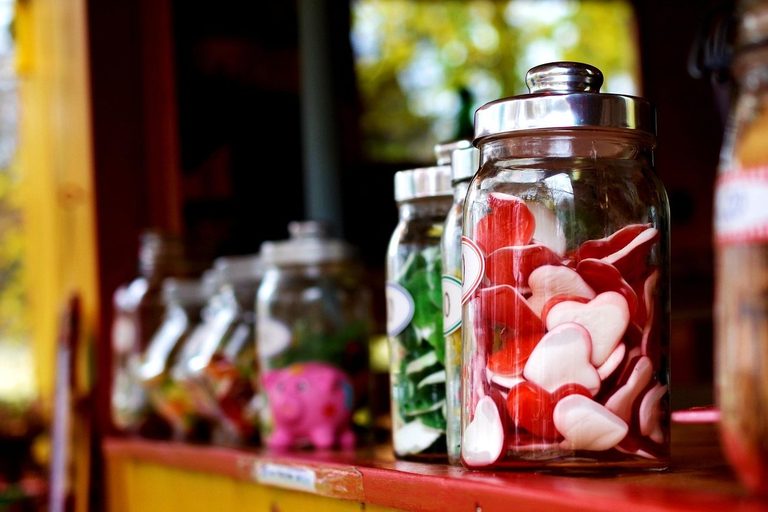
How much candy do you need if kids go from site to site?
Estimate how much candy to buy for campground trick-or-treating, with a per-child formula, 2026 cost figures, and tips on allergies and bear storage.
Dry fall weather brings burn bans and fire restrictions. What Stage 1 and Stage 2 restrictions mean for your campfire, how to check the rules, and how to put a fire out for real.
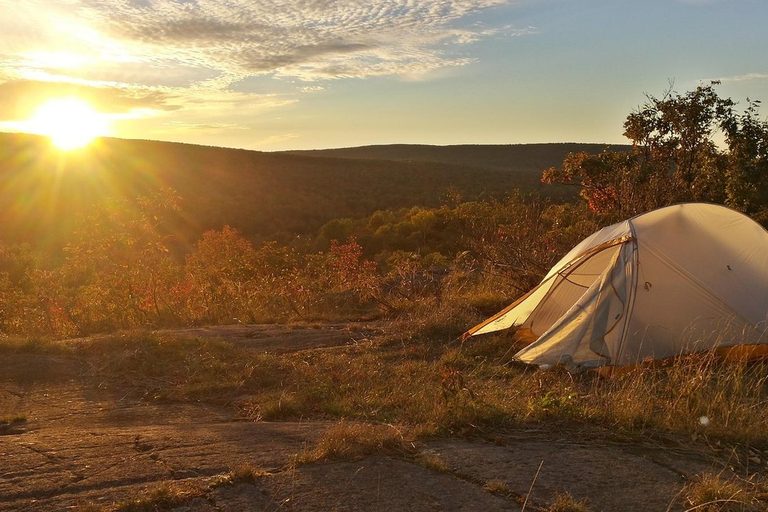
A campfire is half the reason a lot of us go camping. But dry fall weather, low humidity and wind can make fire danger high, and land managers respond with fire restrictions and burn bans. Showing up with a trunk full of firewood to a "no fires" sign ruins a trip. Starting a fire when they're banned can get you a ticket, or worse.
It depends on whose land you're camping on:
Federal land managers in many areas use stages. The exact wording varies by forest, but generally:
Always read the actual order for the place you're going. Some areas add their own rules, and some ban charcoal grills along with wood fires.
If fires might be banned, pack a gas stove for cooking. Many recipes work on a stove or grill. See fall campfire recipes and camp stoves in the cold. A propane lantern or a string of lights can give you some of that campfire feel.
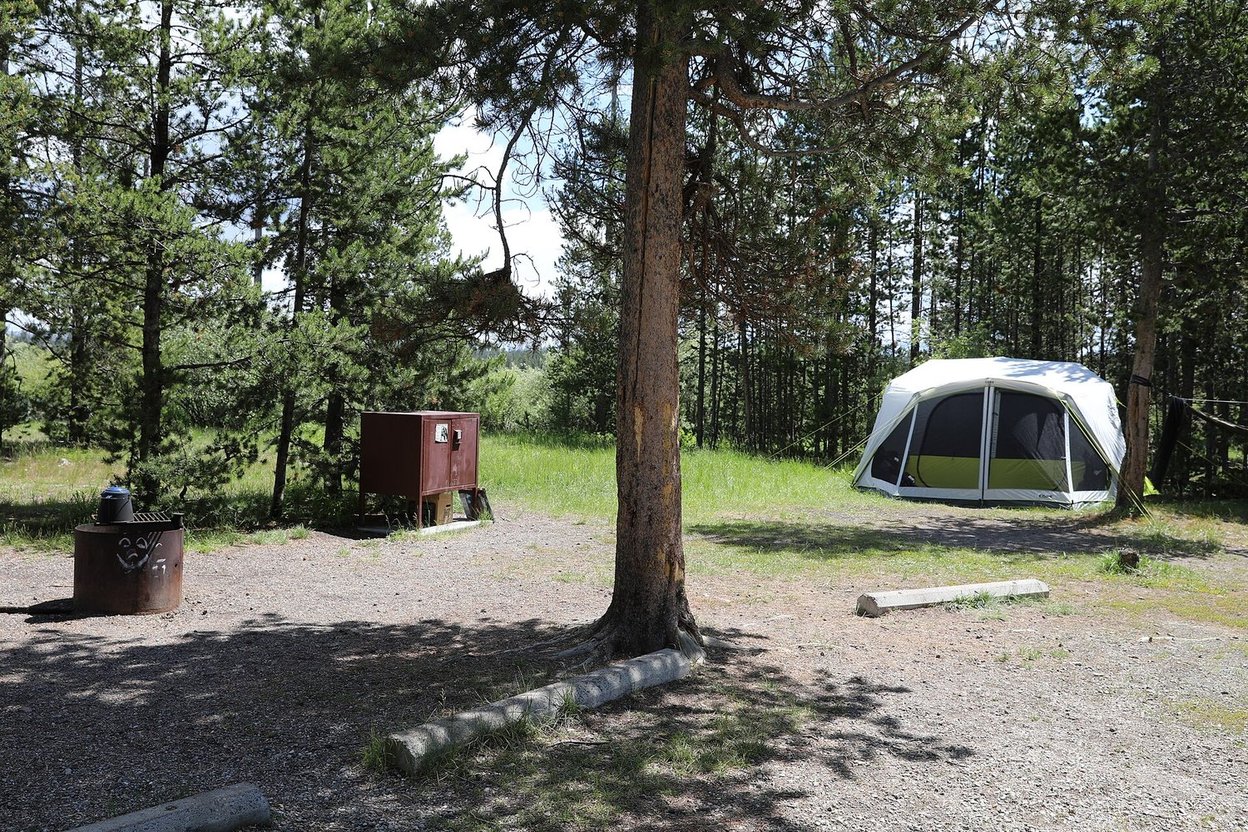
Photo: A tent, bear food box and campfire ring in a campsite 3W6A3665 (53056105180).jpg) by Forest Service - Northern Region, Public domain.
Estimate how much candy to buy for campground trick-or-treating, with a per-child formula, 2026 cost figures, and tips on allergies and bear storage.
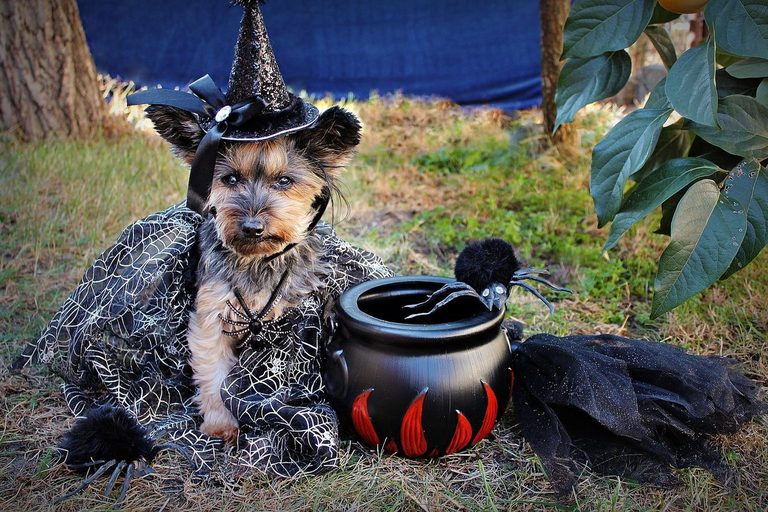
Find out whether campground Halloween costume contests allow dogs, how to confirm a pet division, and which pet rules still apply during the event.
Your campground closes before Halloween? Move your trip to an earlier event, a park open through Nov. 1, or indoor lodging.