
Camping Tips
How to Start a Campfire When Everything Is Wet
Wet wood? Find the dry inside, make feather sticks and kindling, and build the fire off the ground. Includes how to put it out fully.
Decorations near a campfire or hot light can ignite. Get safe spacing rules, light and cord tips, costume advice, and how to check burn bans.
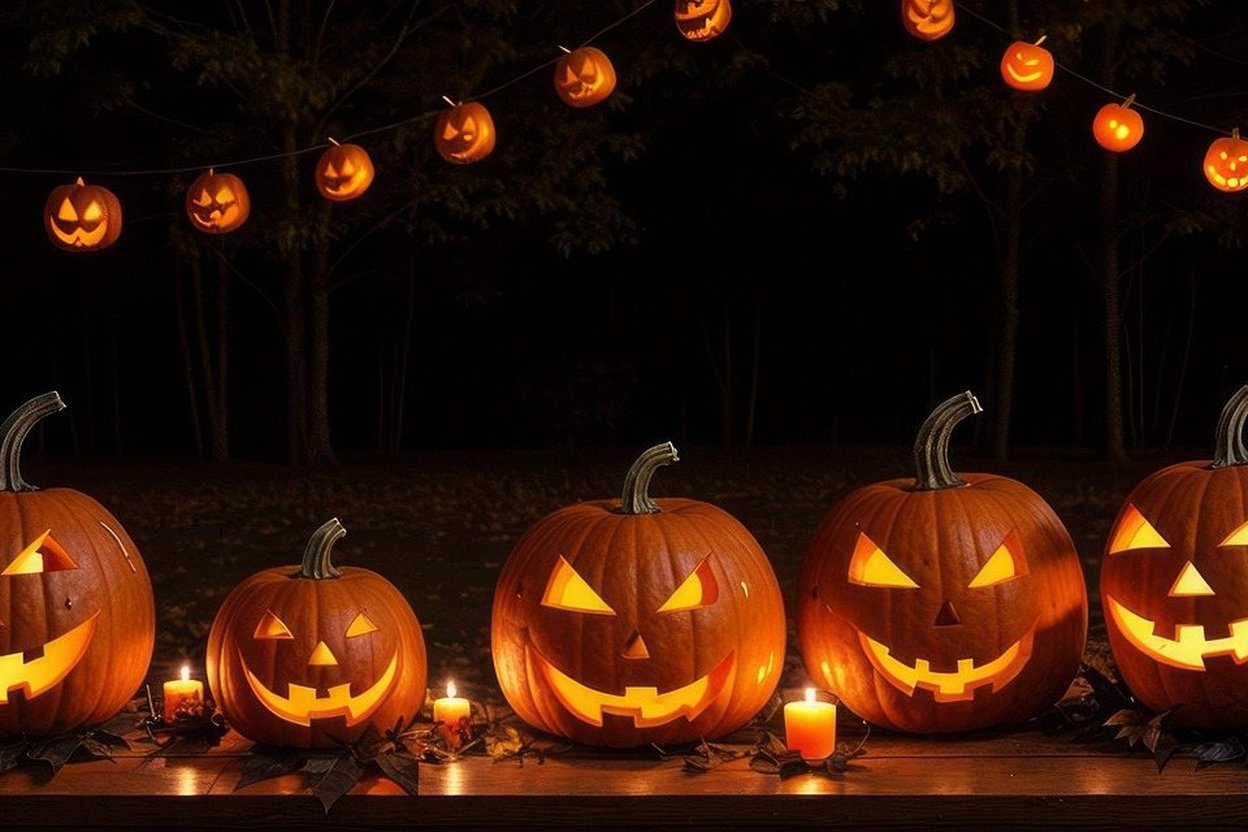
You’ve brought a jack-o’-lantern, lights, and maybe a few cornstalks to decorate your Halloween campsite. Yes, campfires and Halloween decorations can be a fire problem when flammable decorations sit close to flames or hot lights. Keep decorations and gear well back from the fire, use battery-powered lights where you can, and check local restrictions before you leave.
Yes, decorations can catch fire when they’re too close to a campfire, a candle, or a hot light. At a Halloween campsite, hay bales, cornstalks, paper decorations, and fake cobwebs can put combustible material within reach of a heat source.
Use the same separation rules you’d follow to protect a tent: keep anything that burns well away from the fire, keep open flames out of decorations, and check fire restrictions before lighting a campfire. A battery candle or glow stick inside a jack-o’-lantern avoids placing a live flame among decorations.
The national figures below concern home fires or fires around Halloween generally. They do not describe campground fire totals, so use them as context for the hazards, not as a measure of campground risk.
Home-fire data show that decorations can ignite when placed too close to heat or candles. The NFPA reports 835 home fires involving decorations each year, with 29 injuries and $18 million in property damage annually. Of those fires, 47% began because decorations were too close to a heat source, and 20% involved a candle. The NFPA’s Halloween fire-safety guidance includes precautions for keeping decorations away from flames and heat.
USFA figures for the three days around Halloween, covering 2017–2019, count an average of 9,200 fires, 25 deaths, and $117 million in property damage each year. Outdoor fires made up the largest category. Fires peaked between 6 and 7 p.m., when many families are out trick-or-treating. The USFA Halloween snapshot and its downloadable report provide the details.
CPSC also reports that candles start thousands of fires each year. Its Halloween safety advice recommends keeping candles away from decorations and using battery-operated lights in jack-o’-lanterns.
Keep tents, gear, decorations, and anything else that burns at least 15 feet from the fire, and clear a 10-foot circle around it. Smokey Bear and the National Park Service recommend these distances to reduce the chance that sparks or heat reach nearby materials.
California State Parks advises placing tents 15 feet upwind of grills and fires, with 3 feet of bare ground around each tent. Dried flowers, cornstalks, hay, and crepe paper catch fire easily, so set them well outside the cleared area. Use battery candles or glow sticks in jack-o’-lanterns.
A campsite decorated with skeletons around the fire ring stays safer when the fire is out or the props are set well back. Keep costumes and loose decorations away while the fire is lit.
A 2025 incident in Maine shows why open flames deserve care in an RV: a candle lit inside the vehicle ignited a propane leak. Keep candles away from fuel sources, and use battery-powered lighting inside your camper.
Use outdoor-rated extension cords and decorations, and connect them to GFCI protection. Check each cord and light strand before use; discard anything with frayed insulation, cracked plugs, or other damage.
Match the cord’s amp rating to the equipment you plug in, and keep the total load within the campsite pedestal’s 30- or 50-amp supply. Follow the ratings on the equipment and pedestal so your display stays within the available power.
Solar or battery-powered decorations work well at sites without electrical hookups and keep cords away from foot traffic. Switch decorations off at bedtime, especially when they include lights or other equipment that produces heat.
Choose costumes made from polyester or nylon, and look for a flame-resistant label. Any fabric can burn, so keep every costume away from the fire.
Skip billowy sleeves, capes, and long trailing fabric near the fire ring because loose material can brush against flames. Synthetic fleece can melt when sparks land on it, so keep fleece costumes and blankets back from the fire too.
Teach children to stop, drop, and roll if clothing catches fire. Practice the steps before a campsite gathering so they know what to do.
Check the park, county, or state forestry agency for current fire restrictions before you leave; bans can change from week to week in October. As of Oct. 8, 2026, Washington State Parks uses a year-round burn-ban system with different levels. Several Mississippi counties have bans that prohibit campfires while allowing gas and charcoal grills. Pottawatomie County, Oklahoma, has put a ban back in place, while Clallam County, Washington, has lifted its ban.
California requires a free campfire permit, but the permit does not override local restrictions. Check the rules for your destination even when you have the permit. Some private campgrounds also set their own limits on flame height, so confirm those requirements with the campground.
When you’re ready to put out a permitted campfire, use the drown-stir-drown-feel routine: drown the embers with water, stir them, drown them again, then feel the ashes and coals for heat. Leave only when everything is cold to the touch.
Photo by svetjekolem on Pixabay.
Wet wood? Find the dry inside, make feather sticks and kindling, and build the fire off the ground. Includes how to put it out fully.
How many firewood bundles a three-night camping trip needs, how to adjust for cold or wet nights and cooking, and why to buy wood near camp.
Get a wet tent and damp sleeping bag as dry as you can at camp, pack them safely, and finish drying at home before mildew sets in.