


Campgrounds
How much candy do you need if kids go from site to site?
Estimate how much candy to buy for campground trick-or-treating, with a per-child formula, 2026 cost figures, and tips on allergies and bear storage.
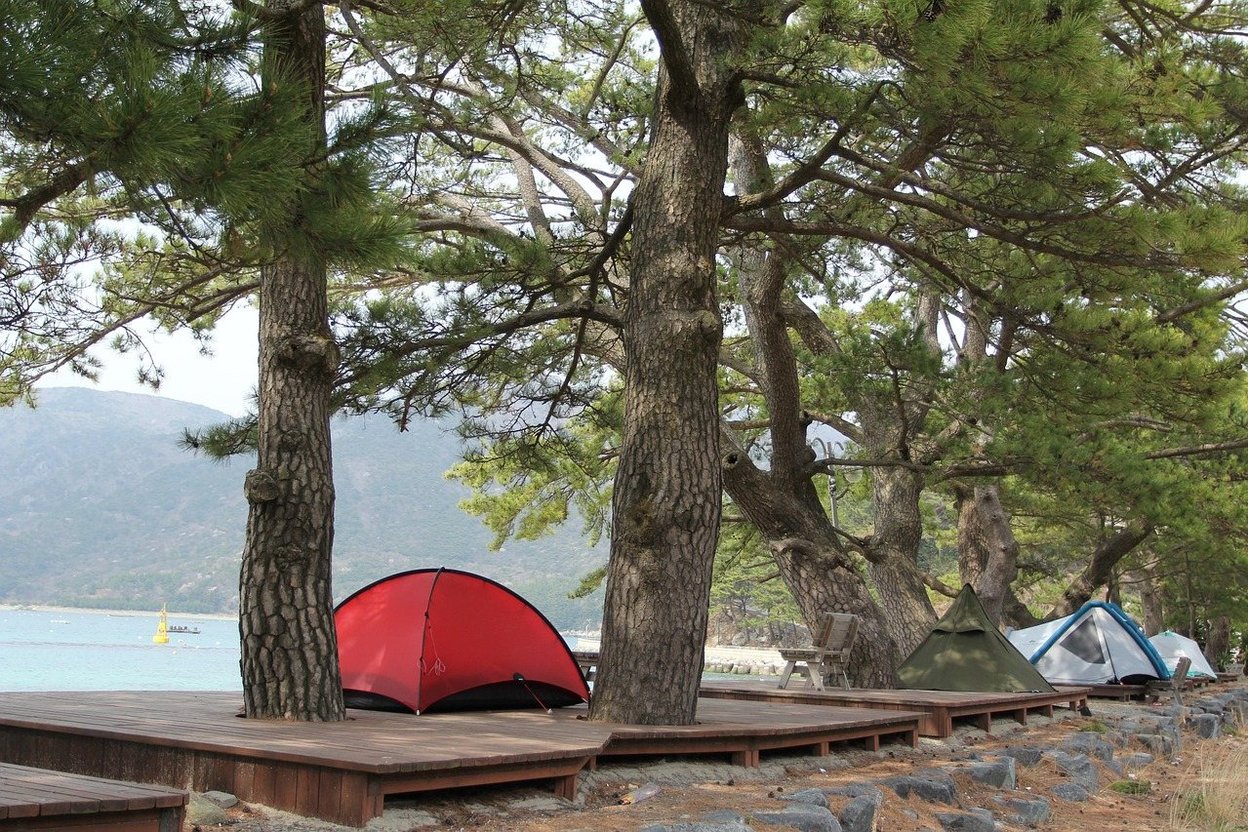
Willow Creek's electric sites in Nebraska closed Oct. 5 while 64 move from 30-amp to 50-amp. Here's what it means and where to camp meanwhile.
You know the frustration of choosing which appliances to run when your RV is hooked to limited campground power. Willow Creek State Recreation Area’s electric campground **closed Oct. 5, 2026, for upgrades to 64 sites from 30-amp to 50-amp service**, with the closure scheduled to continue through Jan. 1, 2027.
If you’re planning a stay in northeast Nebraska, check the campground’s status before you travel. The added capacity will give upgraded sites more room to power an RV’s electrical loads.
Willow Creek State Recreation Area’s electric campground closed Oct. 5, 2026, while Nebraska Game and Parks upgrades 64 sites from 30-amp to 50-amp service. The closure is scheduled to run through Jan. 1, 2027, and the work is funded by the state’s Capital Maintenance Fund.
The recreation area is about 1½ miles southwest of Pierce. Since the closure has already begun, you’ll need another place to camp for now if you rely on an electric site there.
The agency has not announced a specific reopening date beyond the Jan. 1 target. Check the Willow Creek State Recreation Area page before making plans, and contact the park if you need to confirm which areas are available during the project.
Willow Creek is a 1,633-acre recreation area centered on a 700-acre reservoir, and the electrical work is upgrading 64 sites at Willow Way Campground. The campground has 165 electric sites, along with Basic sites.
Half of the sites can be reserved. The remaining sites are first-come, with payment at an iron ranger by cash or check. The park’s 10 equestrian sites already have 50-amp hookups.
The 64-site project had appeared on Game and Parks’ project list as a design concept. The agency has not released a project cost or named a contractor.
The available details do not say whether Basic or equestrian sites will remain open during the electrical campground closure. If you need to know which areas are accessible, call the park at 402-329-4053 before you go.
A 50-amp RV connection supplies more than three times the power of a 30-amp connection, which gives you more capacity for running appliances at the same time. The difference comes from the number of hot legs in each service.
A 30-amp plug has three prongs and one 120-volt hot leg. Its maximum power works out to 30 × 120, or 3,600 watts.
A 50-amp plug has four prongs and two 120-volt hot legs. Together, they provide 2 × 50 × 120, or 12,000 watts.
Those watts go quickly when you use appliances that heat or cool. A rooftop air conditioner draws about 1,400–1,700 watts, an electric water heater about 1,400 watts, and a microwave about 900–1,200 watts. Add another appliance while the air conditioner is running, and a 30-amp rig can reach its limit.
That’s why 30-amp rigs trip breakers when several high-draw appliances run together. The 50-amp service offers substantially more capacity for those overlapping loads.
Your RV’s rated service determines how much power it can use, even when you connect it to a higher-capacity pedestal. An adapter changes the plug connection, not the rig’s electrical limit.
If your rig has a 30-amp cord, a dogbone adapter lets you plug into a 50-amp pedestal safely. Your rig remains limited to 3,600 watts, so you’ll still need to manage simultaneous appliance use.
A 50-amp rig plugged into a 30-amp pedestal is also limited to 3,600 watts. The pedestal supplies less power than the RV is designed to use, so plan your loads accordingly.
Game and Parks’ “Electric Plus” tier covers either 20/30-amp service with water or 50-amp service. Check the state park pricing information when comparing site types and rates.
For a nearby off-season option, Ta-Ha-Zouka Campground in Norfolk offers roadside parking with power after its regular season ends Oct. 15. Willow Creek’s rates are $30 for Electric Plus, $25 for Electric, and $15 for Basic, with $5 off during the off-season.
Nebraska vehicle park-entry permits cost $7 per day or $35 per year. For vehicles registered out of state, permits cost $14 per day or $70 per year. Check the park FAQs for permit details and seasonal facility information.
Modern facilities usually close from mid-October through April. At Ta-Ha-Zouka, 18 pads have 20/30/50-amp pedestals and cost $28 per night during the regular season, which runs April 15 through Oct. 15. In the off-season, you can park along the road outside the campground and plug into the power pedestals at a reduced rate; the bathrooms are closed.
The City of Norfolk posts current details for Ta-Ha-Zouka Campground. Confirm its off-season arrangements before you travel.
Willow Creek’s project is part of a broader Game and Parks effort to bring 50-amp service to more state park sites. Upgrades include 82 sites at Lake Ogallala, 62 at Lake Minatare, 44 at Medicine Creek, 44 new sites at Indian Cave, and every pedestal at Enders.
Most of this work is paid for by the Capital Maintenance Fund, established by the Legislature in 2014. The statewide park improvements list tracks projects across the park system.
Photo by nzzang on Pixabay.
Estimate how much candy to buy for campground trick-or-treating, with a per-child formula, 2026 cost figures, and tips on allergies and bear storage.
Find out whether campground Halloween costume contests allow dogs, how to confirm a pet division, and which pet rules still apply during the event.
Your campground closes before Halloween? Move your trip to an earlier event, a park open through Nov. 1, or indoor lodging.