
Camping Tips
How to Start a Campfire When Everything Is Wet
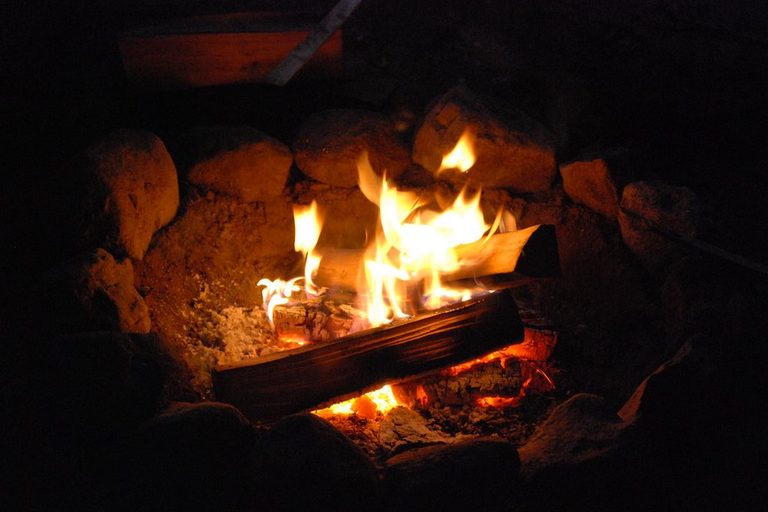
Wet wood? Find the dry inside, make feather sticks and kindling, and build the fire off the ground. Includes how to put it out fully.
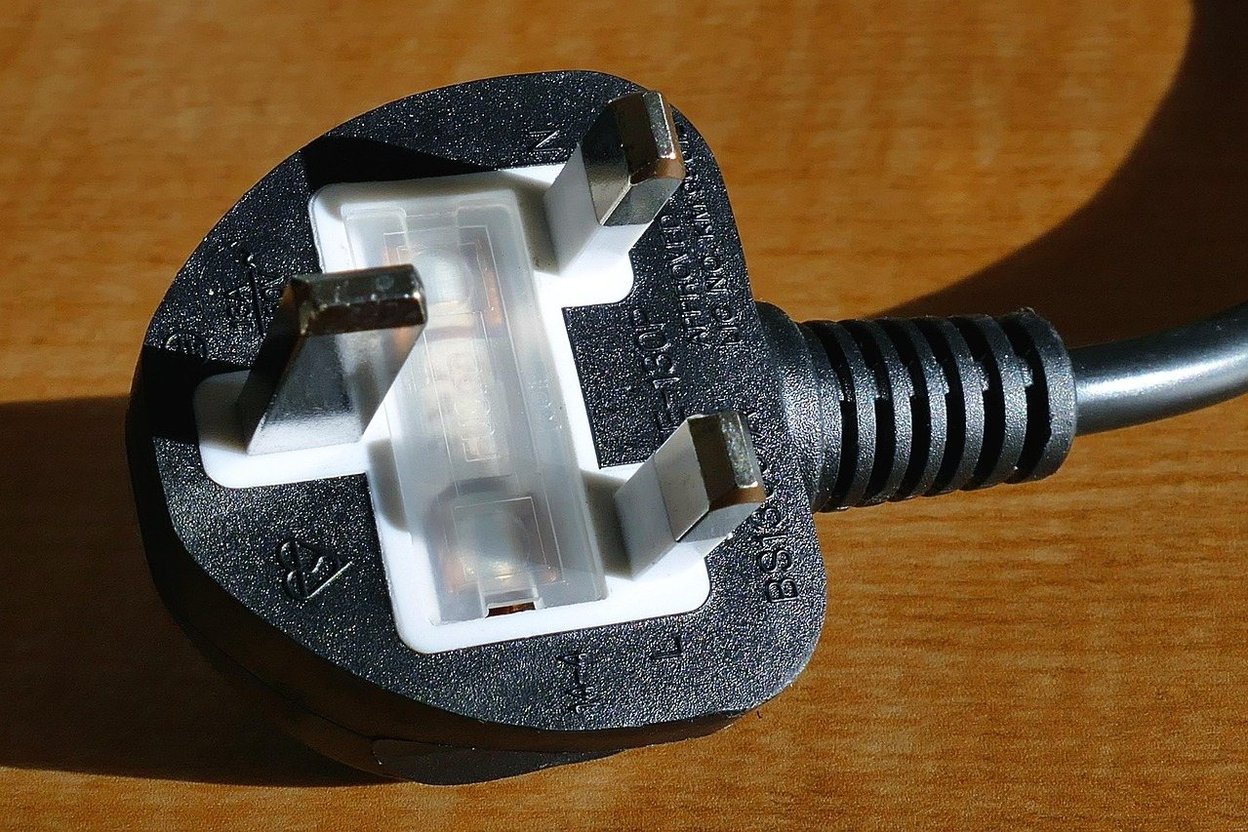
A dogbone adapter lets a 50-amp rig plug into a 30-amp pedestal. It doesn't give you 50 amps. What happens, what you can run, and how to avoid melted plugs.
Got a 50-amp RV and the only open site is 30-amp? An adapter (often called a "dogbone") lets you plug in. It doesn't change how much power the pedestal can give you.
It connects your 50-amp cord to a 30-amp outlet. That's it. You now have about 3,600 watts, not 12,000. On most rigs, both sides of your panel are now fed from the same single 30-amp line.
See why campgrounds are upgrading to 50-amp for the numbers.
Think like a 30-amp rig:
A hot plug is the one to take seriously. Loose, worn or corroded connections heat up under heavy load and can melt. Unplug it (after flipping the pedestal breaker off) and check it.
Many 50-amp rigs have an energy management system that sheds loads automatically. If yours does, set it for 30-amp service. If it doesn't, you're the energy management system.
If it's 95 degrees and you need two ACs, a 30-amp site won't do it. Find a 50-amp site, or plan around the heat. Running a generator alongside shore power is a whole different setup, so read your rig's manual first.
Photo by InspiredImages on Pixabay.
Wet wood? Find the dry inside, make feather sticks and kindling, and build the fire off the ground. Includes how to put it out fully.
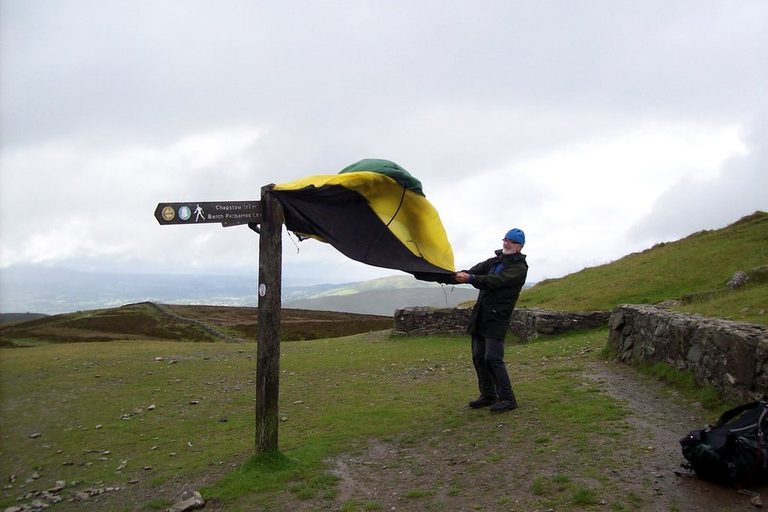
How many firewood bundles a three-night camping trip needs, how to adjust for cold or wet nights and cooking, and why to buy wood near camp.
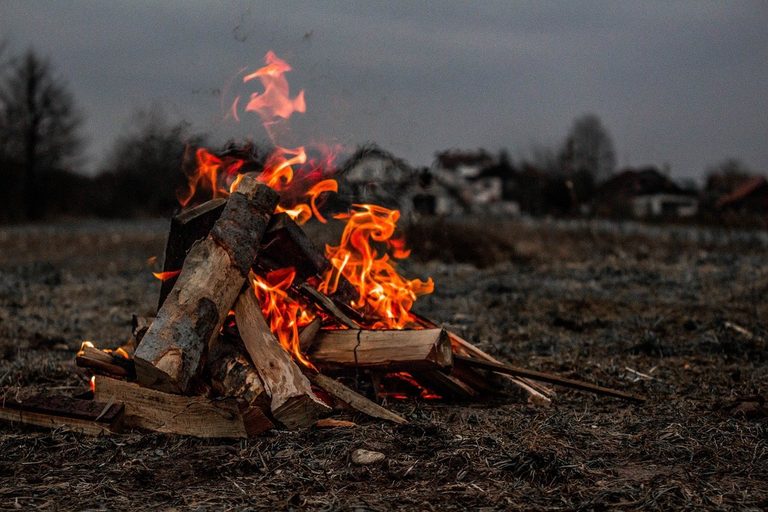
Get a wet tent and damp sleeping bag as dry as you can at camp, pack them safely, and finish drying at home before mildew sets in.