
Camping Tips
How to Start a Campfire When Everything Is Wet
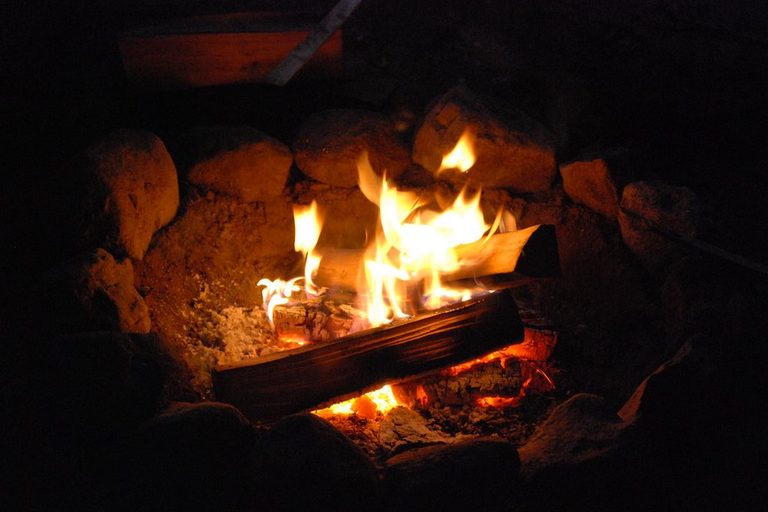
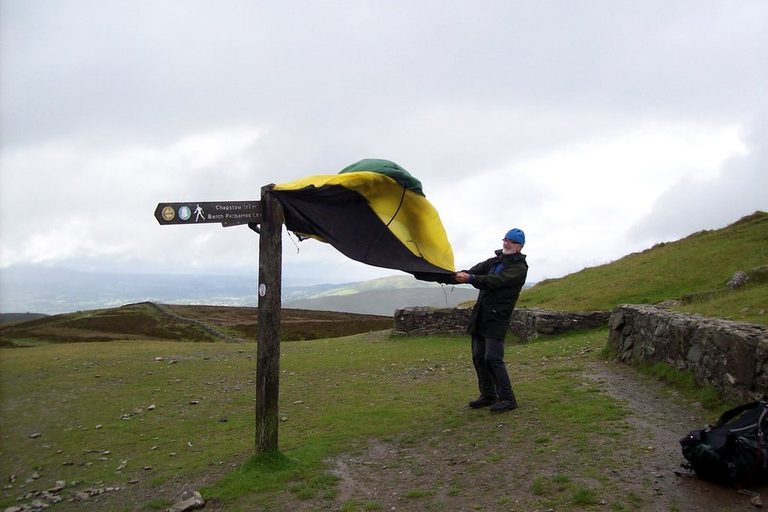
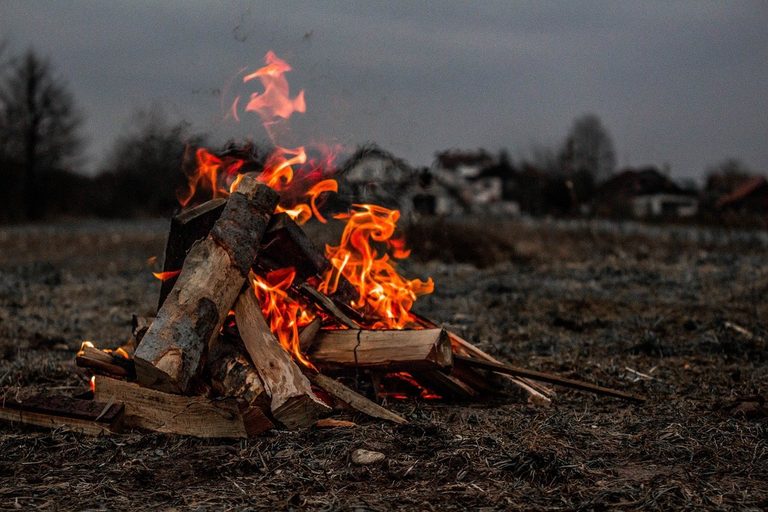
Wet wood? Find the dry inside, make feather sticks and kindling, and build the fire off the ground. Includes how to put it out fully.
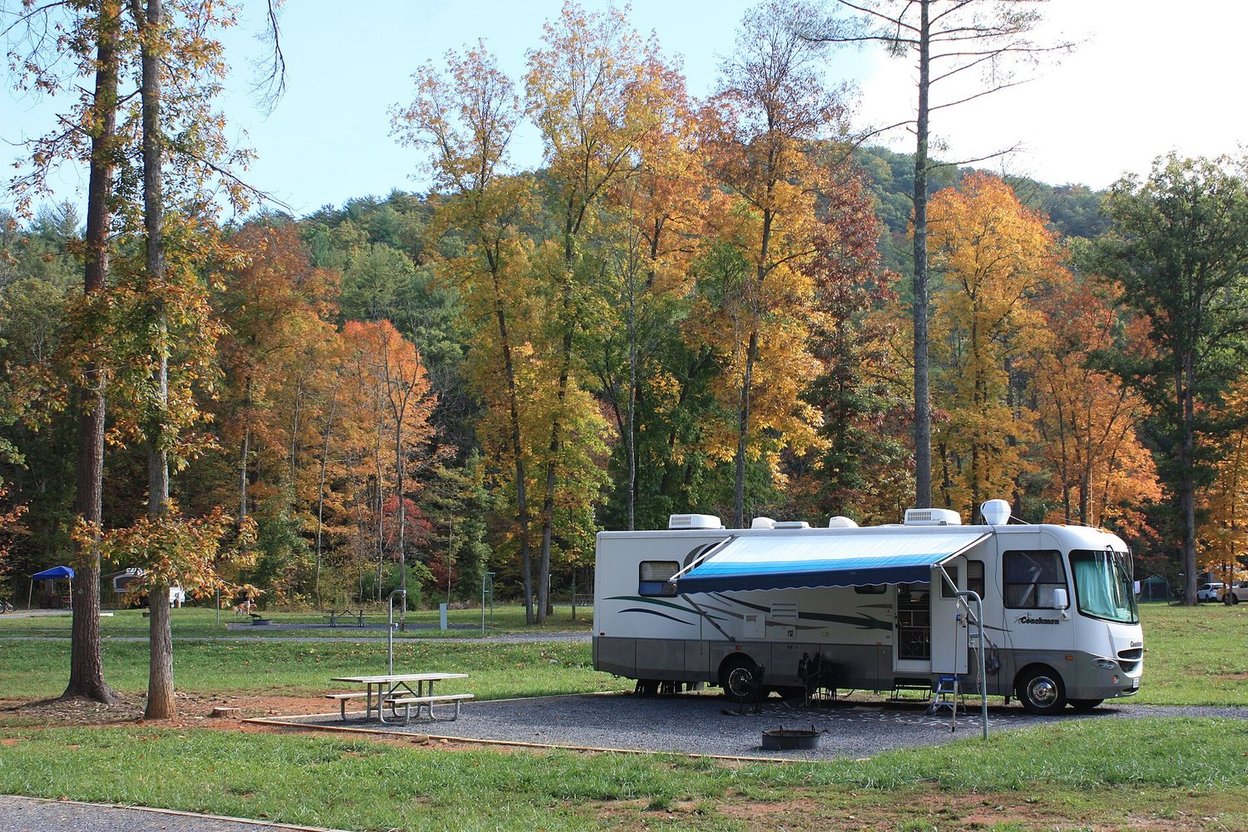
Where color peaks in October 2026, how to track it week by week, and how to book a campsite around a moving target before campgrounds close.
To camp in peak color, pick a region whose usual peak falls in your travel window. Check a prediction map a few weeks out. Then trust the weekly ground reports in the last 7 to 10 days. Book a campground that gives you some elevation to work with, because color moves down a mountain over several weeks. Pack for nights in the 30s and confirm that the campground hasn't shut off its water or locked its gate for the season.
As of early October 2026, the northern tier is peaking or just past peak. The southern Appalachians, the Mid-Atlantic and coastal New England still have weeks to go.
Leaves start turning when the days get shorter. When the nights get long enough, the tree stops replacing chlorophyll. The yellows and oranges (carotenoids) were in the leaf all summer under the green, and now they show through. Reds are different. They're made fresh in the fall, and how much red you get depends on the weather.
According to Utah State University's extension experts, the brightest years follow a summer with enough rain and then a run of sunny days and cool nights that stay above freezing. Drought, a hard early freeze or a windy storm can turn a promising week brown or strip the trees bare. Nobody can promise you a date. You're playing the odds.
This is a rough calendar built from this year's published forecasts. Treat every date as give or take a week.
If your only free weekend is late October, head south or toward the coast. If it's this coming weekend, head north and stay low.
Mountains give you the most room for error. In Great Smoky Mountains National Park, the National Park Service says color shows up above 4,000 feet in early to mid-October. Below 4,000 feet, the best displays usually come between mid-October and early November. The park calls it a season of several weeks as color moves down the slopes.
That means one campsite can cover you even if you guess wrong. Camp low. If the valley is still green, drive up. If the ridgetops are already bare, the color is probably at your elevation or just below it. The same idea works in the Adirondacks, the Whites, the Blue Ridge and the Rockies' aspen country.
On a flat-country trip (Upper Midwest, Ohio Valley), you don't get that cushion. Pick dates closer to the predicted peak and stay flexible.
Use two kinds of tools, and know which one to trust when.
When the map and the ground report disagree, go with the ground report.
Peak weekends at well-known color spots fill up. A holiday weekend like Oct. 10–12 fills fastest. Some ways to get in anyway:
This catches people every October. Many seasonal campgrounds go to reduced service or close right when the leaves are best. In Minnesota's Superior National Forest this year, some sites stay open after the season but with no fees, drinking water or garbage pickup. A few campgrounds in the Gunflint and Tofte districts kept full service only through Oct. 18, and gates at closed sites stay locked until spring. Forests in Colorado and around Lake Tahoe announced their own closures in early October.
Before you drive, check the campground's own page or call the ranger district. Look for three things: whether the gate is open, whether the water is on, and whether the dump station is open. If the water is off, plan how much to haul. If you're in a camper, run through the first freeze checklist before a cold night.
Peak-color weather is the same weather that makes good color: a sunny 60-degree afternoon followed by a night in the 30s. Your sleep system has to handle the night.
Expect a wet tent in the morning, too. Clear, cold, still nights are the worst for condensation. Here's how to cut it down.
Fire rules. Dry leaves on the ground and low humidity bring burn bans in some areas, even in October. Check before you go so you know whether you'll be cooking on a fire or a stove. If fires are allowed, our fall campfire recipes are made for this kind of trip.
Hunting season. Prime foliage country is also prime deer and bird country, and many seasons open in October. Wear blaze orange on the trail and know the local dates. Camping during hunting season covers the details, including for your dog.
Photo: DO Fall2014 WhisperingPinesCampground (15302325487).jpg) by vastateparksstaff, CC BY 2.0.
Wet wood? Find the dry inside, make feather sticks and kindling, and build the fire off the ground. Includes how to put it out fully.
How many firewood bundles a three-night camping trip needs, how to adjust for cold or wet nights and cooking, and why to buy wood near camp.
Get a wet tent and damp sleeping bag as dry as you can at camp, pack them safely, and finish drying at home before mildew sets in.