
Camping Tips
How to Start a Campfire When Everything Is Wet
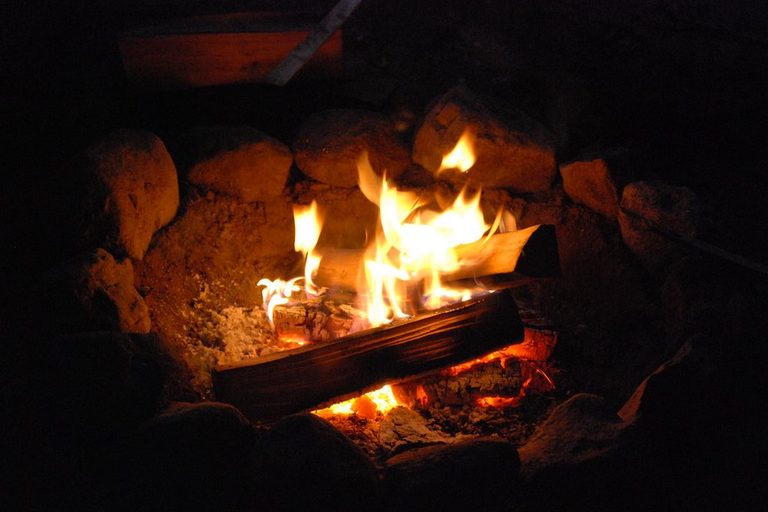
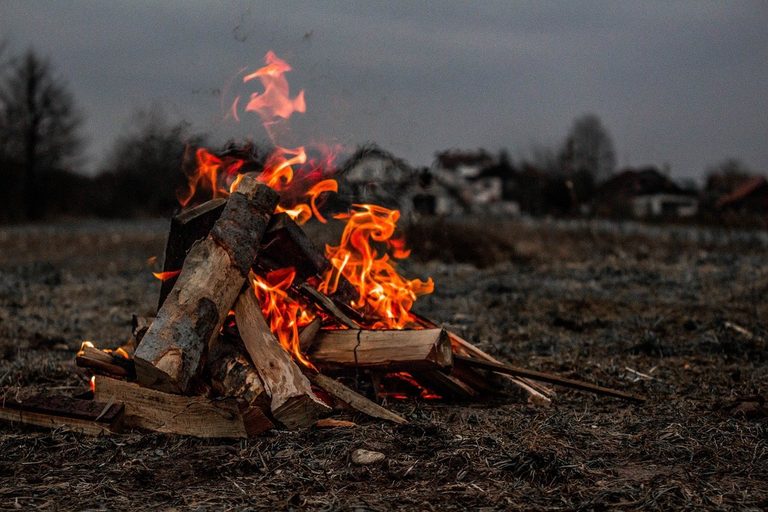
Wet wood? Find the dry inside, make feather sticks and kindling, and build the fire off the ground. Includes how to put it out fully.
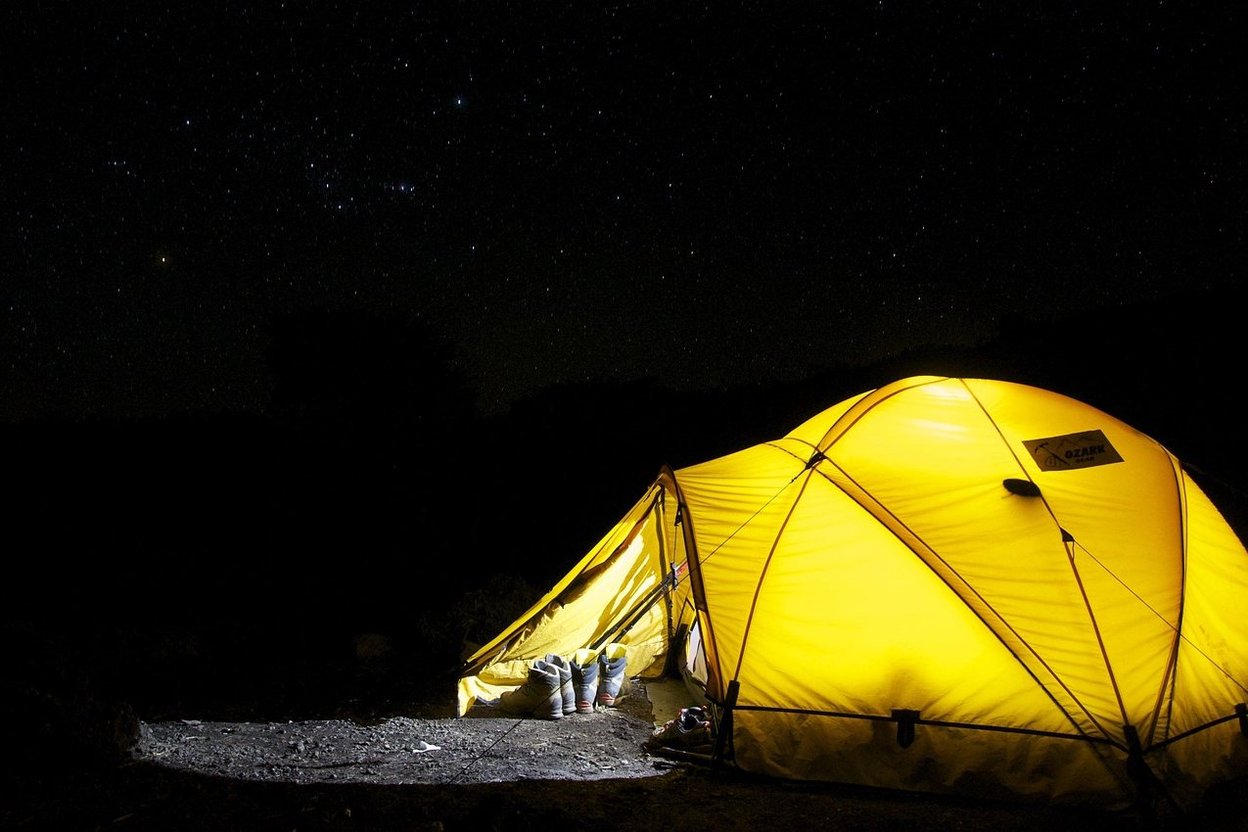
It didn't rain, but the inside of your tent is dripping. Where tent condensation comes from, why fall nights make it worse, and simple ways to wake up dry.
It's a fall morning, the sky is clear, it never rained, and the inside of your tent is wet. The walls drip on your sleeping bag when you sit up. Most people assume the tent leaks. It almost never does. That water came from you.
You breathe out moisture all night, and your body gives off more through your skin. Add a second person, a wet dog, damp clothes and boots inside, and that's a lot of water vapor in a small space.
As the night cools down, the tent walls and rainfly get cold. When the warm, damp air inside hits that cold fabric, the moisture turns back into water, the same way a cold glass of iced tea "sweats" on a summer day. Fall nights are the worst for this: the air is often damp, and the temperature drops a lot between evening and dawn.
1. Open the vents. This is the big one. Most tents have vents up high in the rainfly. Open them, even when it's cold. Closing everything to stay warm traps all that moisture inside. Your sleeping bag keeps you warm; the tent's job is to keep the rain off.
2. Stake the rainfly tight and away from the tent. The gap between the tent body and the fly lets air move. A fly sagging against the tent body soaks through where it touches.
3. Crack a door. If it's not raining or windy, leave the top of a rainfly door unzipped a few inches on the side away from the wind.
4. Keep wet stuff out. Wet jackets, boots and towels go in the vestibule or the car, not inside with you. Don't cook inside the tent (it's a carbon monoxide and fire danger too).
5. Pick your spot. Low spots, right next to a lake or creek, and open meadows collect cold, damp air. A spot under trees or a little higher up usually stays drier.
Some heaters make the problem worse. Burning propane makes water vapor along with heat. If you use a heater, use one made for indoor use, follow the directions and keep ventilation open. See tent heaters: what's safe and what isn't.
Photo by bhossfeld on Pixabay.
Wet wood? Find the dry inside, make feather sticks and kindling, and build the fire off the ground. Includes how to put it out fully.
How many firewood bundles a three-night camping trip needs, how to adjust for cold or wet nights and cooking, and why to buy wood near camp.
Get a wet tent and damp sleeping bag as dry as you can at camp, pack them safely, and finish drying at home before mildew sets in.