
Camping Gear
LED vs. Gas Lanterns at the Campsite: Which One Goes Where
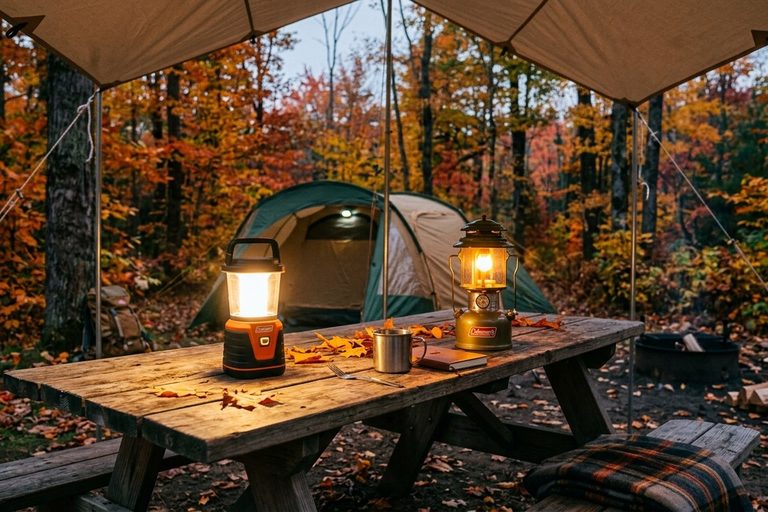
Put an LED lantern in the tent and a propane lantern outside. Compare brightness, run time, carbon monoxide risk and cost to see why.
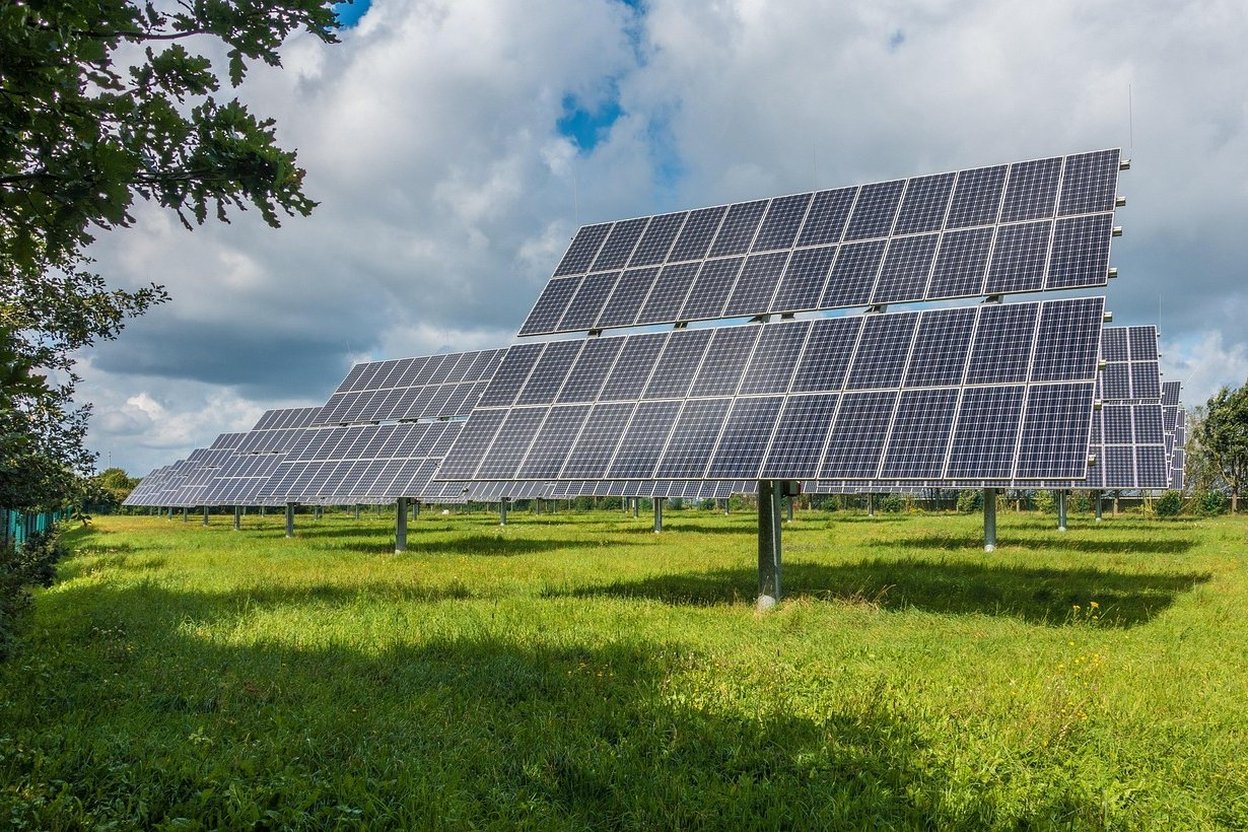
A portable solar panel that kept up in July may not keep up in October. Why fall solar output drops, rough numbers to plan with, and how to get the most from fewer hours of sun.
People buy a solar panel for the fall camping trip and are surprised when it barely charges the power station. It's not broken. It's October.
Panels are rated in watts under perfect lab conditions. In the real world, you rarely get the full rating.
A rough way to plan: take the panel's rating, assume you'll get maybe 60 to 75 percent of it in good sun, and multiply by "peak sun hours" (the equivalent hours of full sun in a day). In much of the country, late fall gives roughly 2 to 4 peak sun hours on a clear day, less in the north and more in the Southwest.
200-watt panel × 70 percent × 3 hours = about 420 Wh on a good fall day.
That might cover a fridge and phones. It won't fully recharge a big power station.
Solar is great in fall. Just plan on less of it.
Photo by mrganso on Pixabay.
Put an LED lantern in the tent and a propane lantern outside. Compare brightness, run time, carbon monoxide risk and cost to see why.
Watt-hours set how long a power station runs and watts set what it can run. Here's how to size one for a camper before you buy.
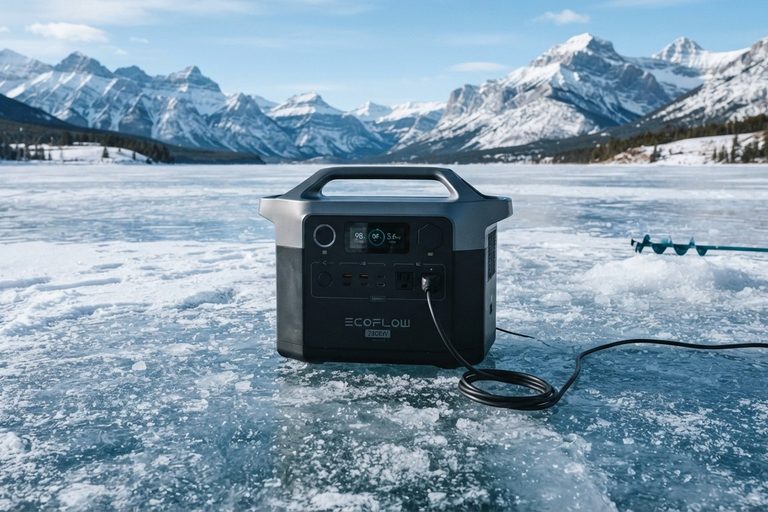
Lithium power stations shouldn't charge below 32°F. Learn why, what Jackery, EcoFlow, Anker and Bluetti specify, and how to keep yours warm enough.