
Camping Tips
How to Start a Campfire When Everything Is Wet
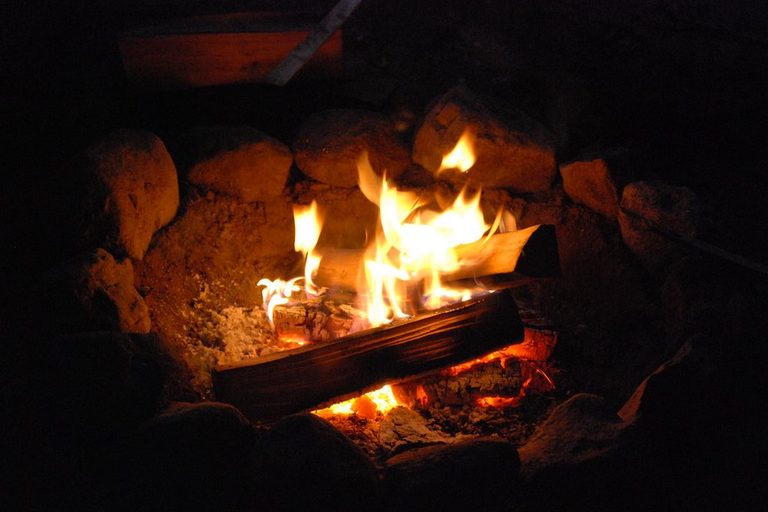
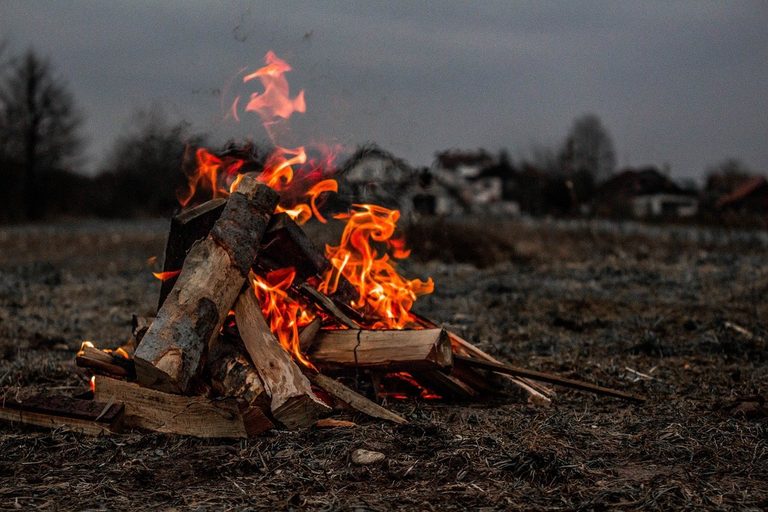
Wet wood? Find the dry inside, make feather sticks and kindling, and build the fire off the ground. Includes how to put it out fully.
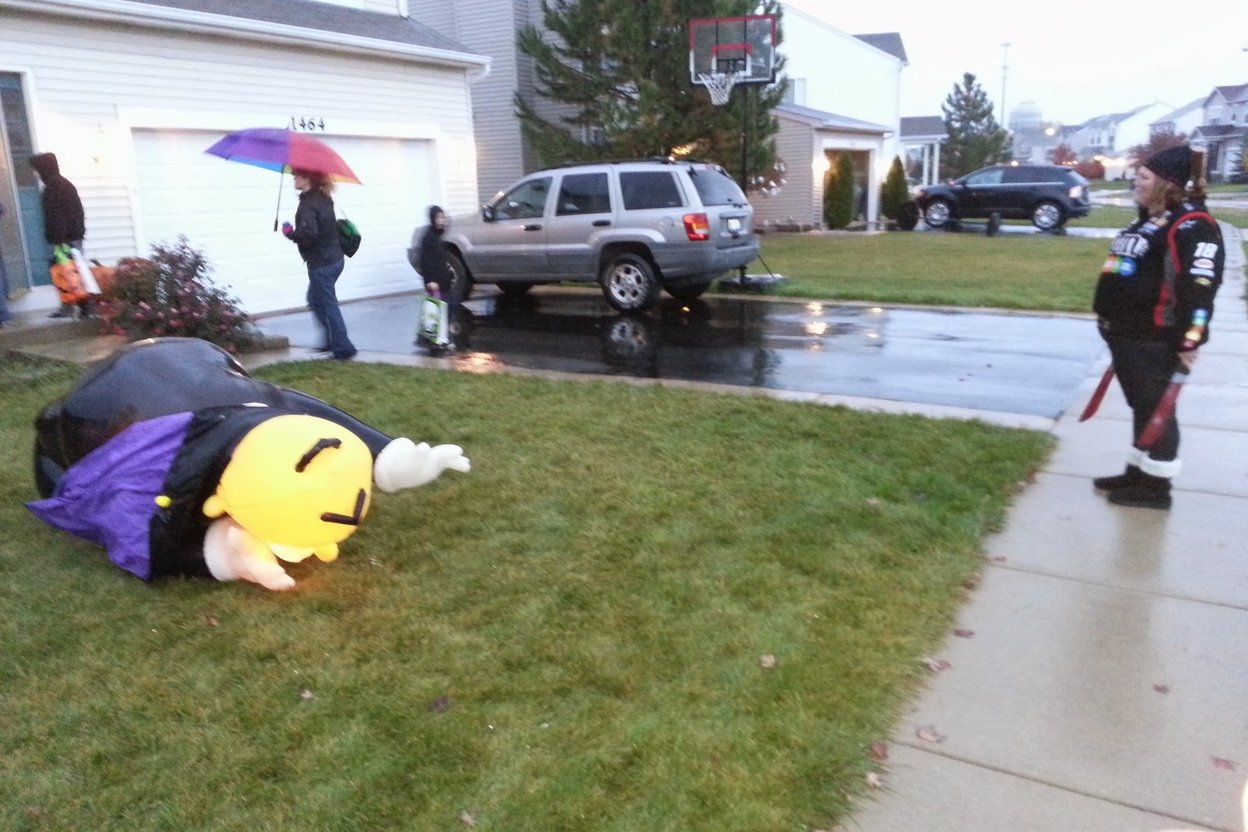
Learn how to dress kids for cold trick-or-treating: size-up costumes, warm layers, mittens, and boots that work over a winter coat.
You know the moment: the costume is ready, and the forecast says you need a winter coat. Put warm layers under a roomier costume, or choose an outfit that works over your coat, then add a hat, mittens, and sturdy boots.
A little planning keeps your kid warm without burying the costume. Check the temperature and wind before you leave, and bring dry layers for the trip back to camp.
Wear warm base and fleece layers under a costume sized about one size up, or make a coat part of the outfit with a onesie, cape, or character costume that includes a hat and mittens. Finish with a warm hat, mittens, and real boots that can handle cold ground.
A size-up gives the costume room over layers without squeezing them flat. If the costume has thin fabric or narrow sleeves, try it on with the layers before Halloween and check that your child can move freely. A onesie can fit over a coat, while a cape or character-inspired accessories can leave the coat visible as part of the look.
Halloween 2026 falls on Saturday, Oct. 31. Campground Halloween weekends often take place earlier in October, so check your campground’s event date before planning the outfit.
Halloween night temperatures vary widely across the lower 48, with normal Oct. 31 readings ranging from the teens to the 80s. NOAA’s October climate summary gives examples of that range: Brainerd, Minnesota, has a normal low of 27.7°F and high of 46.9°F, while Tombstone, Arizona, runs from 49.8°F to 76.7°F.
A normal temperature is a useful starting point, not a forecast for your evening. Check your local forecast at weather.gov, where you can look up conditions for your specific location, and review it again before heading out.
Severe cold has reached Halloween night, too. The 1991 Halloween Blizzard dropped 8.2 inches of snow on Minneapolis–St. Paul on Oct. 31; kids went out in coats and boots. The Minnesota DNR’s account and NOAA’s history of the blizzard document the storm.
Build warmth from a wool or synthetic base layer, then add fleece and a wind- and water-resistant outer layer. Cotton holds moisture against skin, so keep it out of the base layer.
For young children, the American Academy of Pediatrics recommends one more layer than an adult would wear in the same conditions. Its cold-weather safety guidance also supports covering exposed skin and adjusting clothing to the weather.
Mittens keep fingers together and are warmer than gloves. Fleece-lined tights, thermals, hiking socks, and a matching-color neck gaiter add warmth without changing the costume’s overall look. Check that socks leave enough room in the boots; a tight fit can make the setup uncomfortable.
Keep hand warmers in pockets, away from bare skin, and pack spare gloves in case the first pair gets wet. If your child starts sweating during the walk, open or remove a layer before the damp clothing chills them. A small bag makes it easier to carry anything they take off.
Treat the coat as part of the outfit, then add reflective details and a light so drivers and other walkers can see your child. Put reflective tape on dark coats and treat bags, and give each kid a flashlight or headlamp.
Choose costumes labeled flame-resistant, especially for a campground where campfires and jack-o’-lanterns may be nearby. Skip long capes and billowy sleeves around open flames. Face paint keeps the face uncovered, and a secure hat should stay clear of your child’s eyes while they walk.
Watch closely for shivering, sluggishness, clumsiness, or slurred speech, which can signal hypothermia. Children can develop hypothermia faster than adults, so head indoors or back to the tent or RV when these signs appear.
Frostnip can look like red, cold skin with tingling or numbness. Frostbite requires air temperatures below freezing. At 0°F with a 15 mph wind, the wind chill is -19°F and exposed skin can freeze in 30 minutes. The National Weather Service explains these risks in its cold-weather FAQs.
Wind-chill charts were tested on adults, so use extra caution with children. Cover exposed skin, check your child’s hands and face, and go somewhere warm if numbness or other warning signs develop.
Pack a small bag for the layers your kids take off, plus spare dry socks and gloves. A thermos of cocoa and hand warmers help during a chilly walk; keep warmers in pockets, away from bare skin.
Bring headlamps or flashlights for each child, along with glow sticks for extra visibility. Leave dry clothes at the tent or RV so your kids can change out of damp costume layers as soon as trick-or-treating ends.
Wet wood? Find the dry inside, make feather sticks and kindling, and build the fire off the ground. Includes how to put it out fully.
How many firewood bundles a three-night camping trip needs, how to adjust for cold or wet nights and cooking, and why to buy wood near camp.
Get a wet tent and damp sleeping bag as dry as you can at camp, pack them safely, and finish drying at home before mildew sets in.