
Camping Gear
LED vs. Gas Lanterns at the Campsite: Which One Goes Where
Put an LED lantern in the tent and a propane lantern outside. Compare brightness, run time, carbon monoxide risk and cost to see why.
Tank heater pads keep fresh, grey and black tanks from freezing. How they work, how much battery power they use, and when cold-weather campers actually need them.
If you camp when nights drop below freezing, sooner or later you'll wonder whether your tanks will freeze. Tank heaters are one answer.
Tank heaters are thin electric pads stuck to the outside bottom of your fresh, grey and black tanks. Most turn on by themselves when the tank gets near freezing, usually somewhere around 40°F at the pad, and turn off as it warms.
Many newer rigs come with them. You can add them to older rigs.
Most pads run on 12 volts. Each pad typically draws a few amps when it's on. With three or four tanks, that adds up:
They don't run all the time; they cycle with the temperature. But on a cold night, they can run a lot. On a small battery, without shore power or a generator, they can drain it overnight.
On shore power, your converter supplies the 12 volts, so it's not a concern.
Tank heaters protect the tanks, not the pipes, valves and hoses. Exposed valves and the outside water hose freeze first. See keep water from freezing at camp.
Most tank heaters have a switch inside the rig. Turn it on before the cold night, and off when you leave. Pads running against an empty tank waste power.
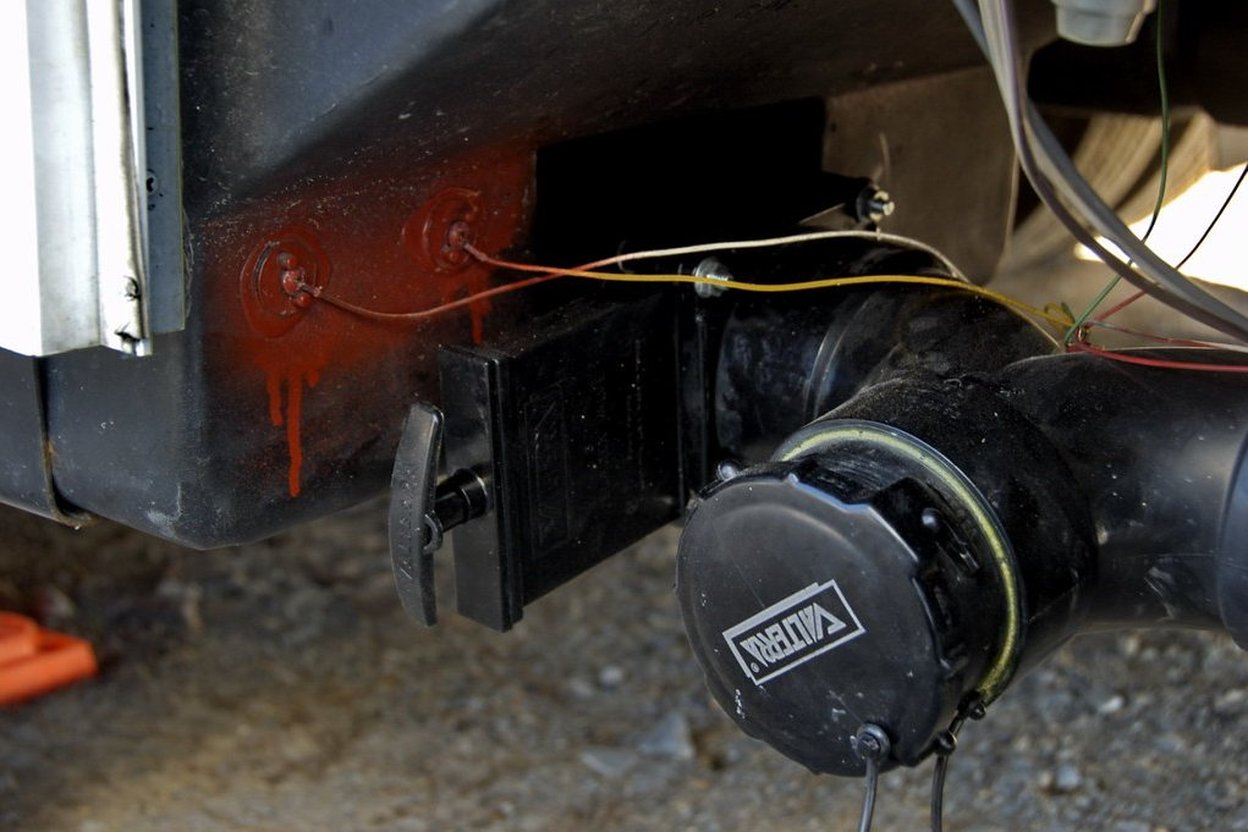
Photo: RV Sewer Dump Valve by Dave Bezaire, BY-SA 2.0.
Put an LED lantern in the tent and a propane lantern outside. Compare brightness, run time, carbon monoxide risk and cost to see why.
Watt-hours set how long a power station runs and watts set what it can run. Here's how to size one for a camper before you buy.
Lithium power stations shouldn't charge below 32°F. Learn why, what Jackery, EcoFlow, Anker and Bluetti specify, and how to keep yours warm enough.