
Camping Tips
How to Start a Campfire When Everything Is Wet
Wet wood? Find the dry inside, make feather sticks and kindling, and build the fire off the ground. Includes how to put it out fully.
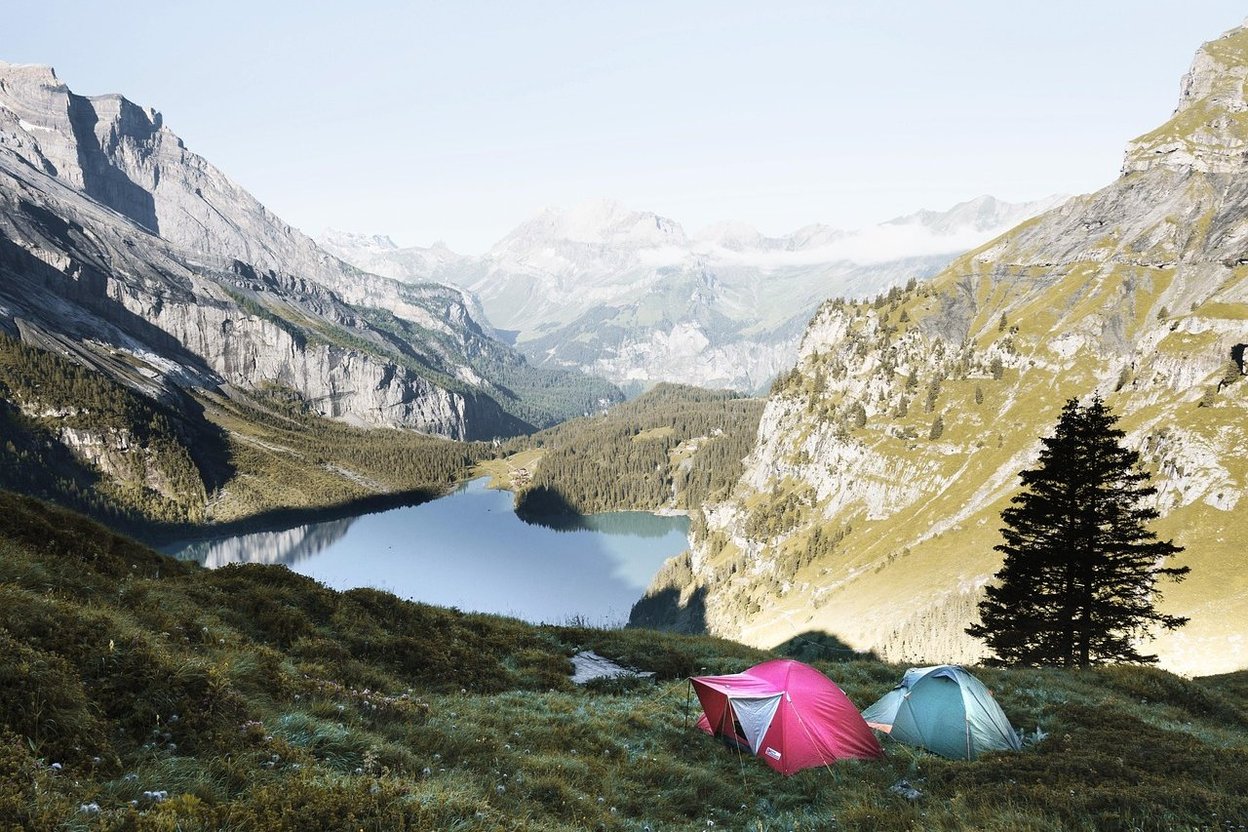
Typical overnight lows for the last weekend of October, by region and elevation, plus how to pick a sleeping bag and pad for the cold.
You feel the temperature drop as soon as the sun disappears, and an October campsite can cross below freezing before morning. On the last weekend of October, expect overnight lows from the upper 20s °F in high-elevation and northern locations to the mid-50s around Austin, Texas. Your campsite’s elevation, terrain, and sky conditions can push the temperature away from a nearby station’s normal.
For a family trip from Friday, Oct. 30, to Sunday, Nov. 1, 2026, use the local normal as a starting point and pack sleep gear for colder conditions, especially above 6,000 feet or across the northern tier.
Your region and elevation set the starting point: normal Oct. 31 lows range from the mid-50s °F around Austin to the high 20s at several high-elevation and northern destinations. The Smokies, Shenandoah, Acadia, and northern Michigan sit between those ranges, with lows in the high 30s to around 40°F.
These are climate normals, or 30-year averages from weather stations, not predictions for a particular campsite. At an exposed site on a clear, calm night, ground level can be a few degrees colder than the official reading. Pack for temperatures at or below freezing anywhere above about 6,000 feet and across the northern tier.
NOAA’s 1991–2020 normals show how the Oct. 31 outlook shifts across 12 representative camping areas. The list gives each station’s normal high and low plus its elevation; campsite conditions can differ from station readings.
You can check the NOAA daily normals for Oct. 31. For your trip, compare the station with the campground’s elevation and terrain, then allow for a colder tent-level reading on a clear, calm night.
The median first-freeze date ranges from mid-September at Estes Park to early December at Austin, so a freezing Halloween night is a routine seasonal possibility in some places and a less common one in others. A median date marks the point by which half of the recorded first freezes have occurred, not a forecast for your specific weekend.
At Estes Park, Halloween falls well after the median first freeze. Around Austin, it falls well before it. That difference is a useful warning when you are choosing a bag and pad: the same weekend can bring very different overnight temperatures across the country.
The NOAA first-freeze normals provide a broad seasonal reference. For the trip itself, check the forecast for each night and bring sleep insulation suited to the colder conditions your location can reach.
Your tent can feel colder than the forecast because elevation, terrain, and the way temperature is measured all shape the reading you experience. Air cools by about 3.5°F per 1,000 feet of elevation, so a campground high above a nearby town can have a substantially lower overnight temperature.
Cold air drains downhill and gathers in valleys. A low campsite can therefore feel colder than a nearby spot at higher ground, even when the two locations are close together.
Weather thermometers sit about 6 feet above the ground. The ground surface can be colder, so a station’s official low does not describe the temperature at your sleeping bag. On an exposed site, allow for a few degrees of extra cooling at ground level.
Clear, calm nights cool the most. Clouds slow heat loss, while wind keeps the air mixed and warmer near the ground. The dew point roughly marks the floor for how far the air temperature can fall overnight. If the forecast low is near that point, use it as a useful clue while planning.
For flight planning, the FAA’s explanation of temperature and density altitude describes how temperature changes with elevation. NOAA’s meteorological handbook provides additional background on atmospheric conditions.
Choose a sleeping bag and pad as a system: the bag’s temperature rating assumes you have enough insulation between you and the ground. A warm-rated bag on a thin pad can leave you cold because the pad’s insulation affects heat loss underneath you.
ISO ratings separate three temperature figures. The comfort rating estimates the temperature at which a cold sleeper can sleep comfortably; the limit rating is the lower temperature at which a warm sleeper can sleep curled up; and the extreme rating describes a survival threshold with risk of hypothermia, not a temperature for comfortable sleep. For family camping, use the comfort figure as your practical comparison point and choose a bag suited to temperatures colder than the forecast low.
Pad R-values measure insulation. A value of 3–5 suits three-season camping, while 5 or higher is intended for winter conditions. If you stack pads, their R-values add together. For example, a pad rated R-3 placed on one rated R-2 gives a combined R-5.
Check the rating label for the specific bag and make sure your pad is warm enough for the expected low. ISO ratings do not cover children’s sleeping bags, so you cannot compare a child-sized bag using the same standardized rating system.
Keep children dry and insulated, since kids lose heat faster than adults. Dress them in layers, add a hat and mittens for bedtime, and change them into dry clothes before they get into their sleeping bags.
Watch for signs of hypothermia, including shivering, confusion, slurred speech, and unusual drowsiness. If a child shows these symptoms, move them into a warm, dry place and get help.
Photo by Pexels on Pixabay.
Wet wood? Find the dry inside, make feather sticks and kindling, and build the fire off the ground. Includes how to put it out fully.
How many firewood bundles a three-night camping trip needs, how to adjust for cold or wet nights and cooking, and why to buy wood near camp.
Get a wet tent and damp sleeping bag as dry as you can at camp, pack them safely, and finish drying at home before mildew sets in.