
Camping Gear
LED vs. Gas Lanterns at the Campsite: Which One Goes Where
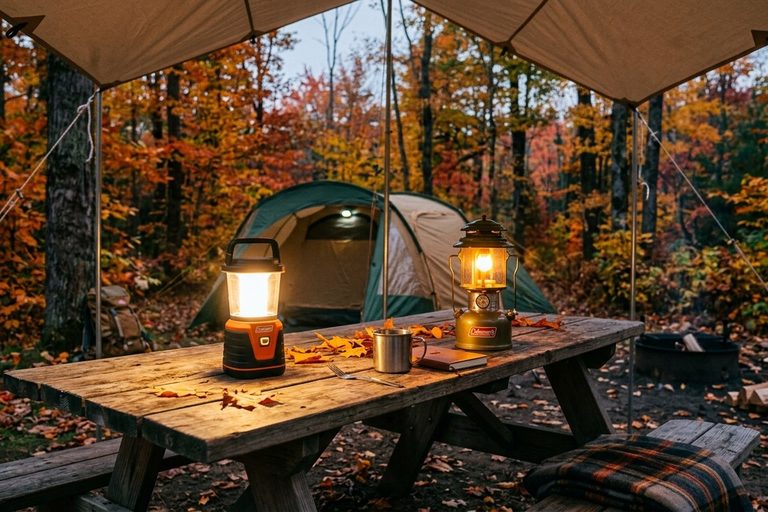
Put an LED lantern in the tent and a propane lantern outside. Compare brightness, run time, carbon monoxide risk and cost to see why.
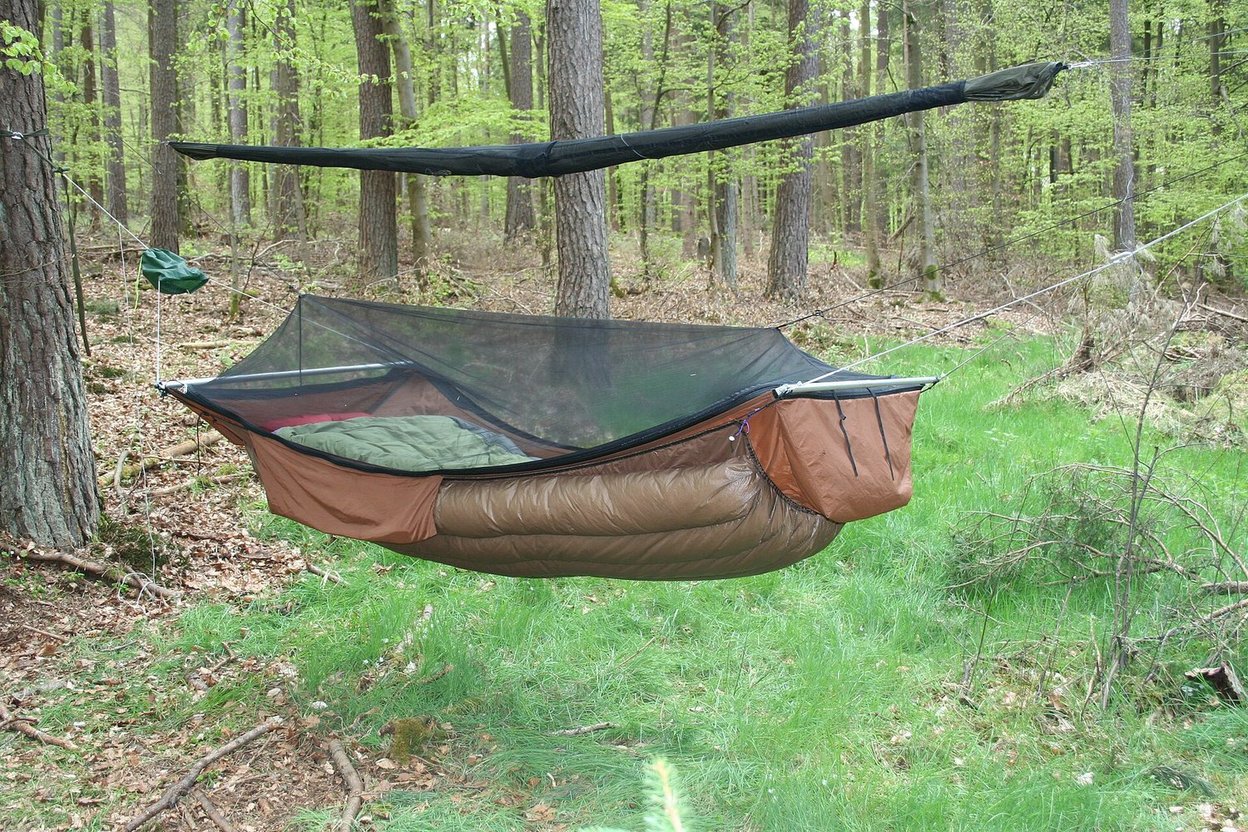
Hammocks are great until the temperature drops and your back freezes. Why that happens, how underquilts fix it, and the setup that keeps hammock campers warm into fall and winter.
Hammock camping is comfortable, quick to set up, and keeps you off rocks, roots and wet ground. In summer, it's hard to beat. Then fall comes, and the first cold night in a hammock teaches every hammock camper the same lesson: your back gets cold fast. That's called "cold butt syndrome," and it has an easy fix.
A sleeping bag keeps you warm by trapping air in its insulation. When you lie in a hammock, your body weight crushes the insulation under you flat. Flat insulation doesn't insulate. On top of that, air moves freely under a hammock, pulling heat away from you. Even on a 50-degree night, that can be uncomfortable.
An underquilt is an insulated quilt that hangs outside and underneath the hammock. Because nothing is crushing it, it stays lofted and keeps your back warm.
On top, many hammock campers use a top quilt instead of a sleeping bag. It's like a sleeping bag without the back, since the back would be crushed anyway. A regular sleeping bag works too; you can unzip it and use it like a blanket.
See sleeping bag temperature ratings explained to make sense of the numbers.
Some hammock campers use a foam or air pad inside the hammock instead of an underquilt. It's cheaper and it works, but pads tend to slide around, and in a gathered-end hammock they bunch up. A pad is a good budget option for mild fall nights; an underquilt is much better as it gets colder. See sleeping pad R-values explained.
People hammock camp in very cold weather with the right gear. Start with fall nights near your car, so you can bail to the vehicle if you're cold, before you try it far from the trailhead.
Check the rules where you camp. Some parks and campgrounds limit hammocks to protect trees, or require wide straps. In dispersed areas, follow Leave No Trace guidance and pick healthy trees at least 6 inches thick.
With an underquilt, a good tarp and the right spot, a hammock can be one of the most comfortable ways to camp into late fall.
Photo: Bridge Hammock by Obersachse, CC BY-SA 4.0.
Put an LED lantern in the tent and a propane lantern outside. Compare brightness, run time, carbon monoxide risk and cost to see why.
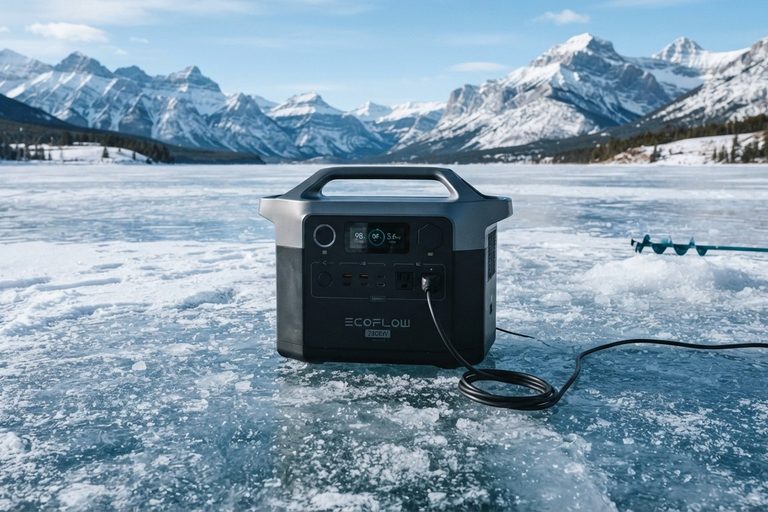
Watt-hours set how long a power station runs and watts set what it can run. Here's how to size one for a camper before you buy.
Lithium power stations shouldn't charge below 32°F. Learn why, what Jackery, EcoFlow, Anker and Bluetti specify, and how to keep yours warm enough.