
Camping Tips
How to Start a Campfire When Everything Is Wet
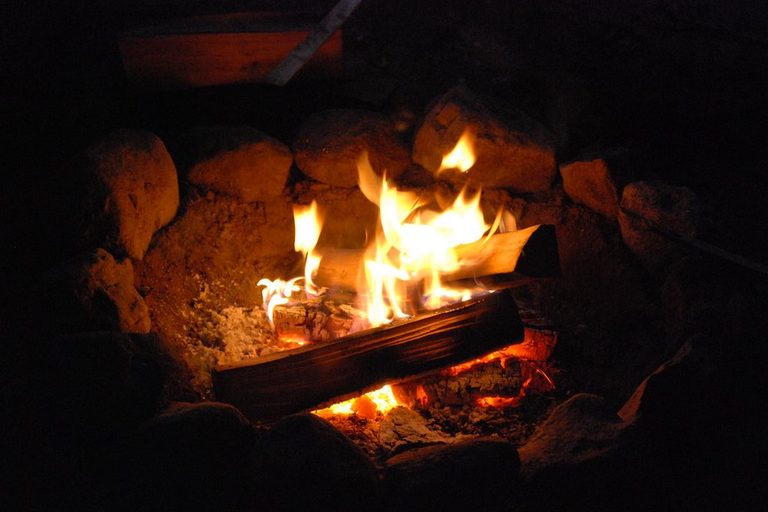
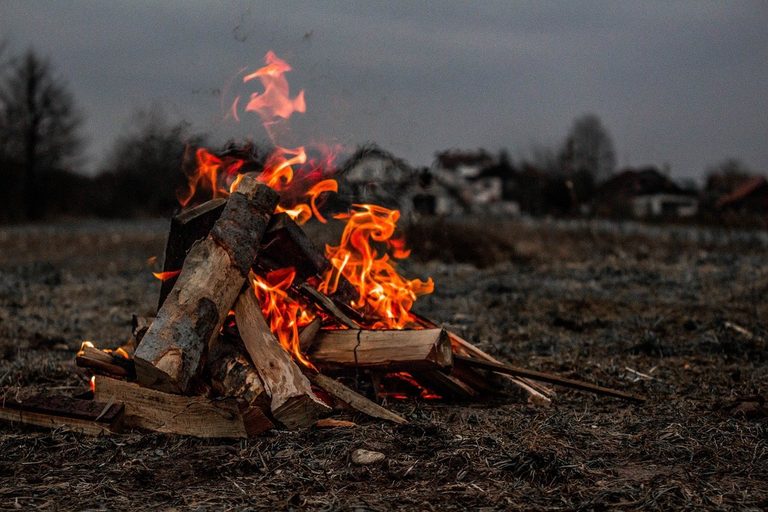
Wet wood? Find the dry inside, make feather sticks and kindling, and build the fire off the ground. Includes how to put it out fully.
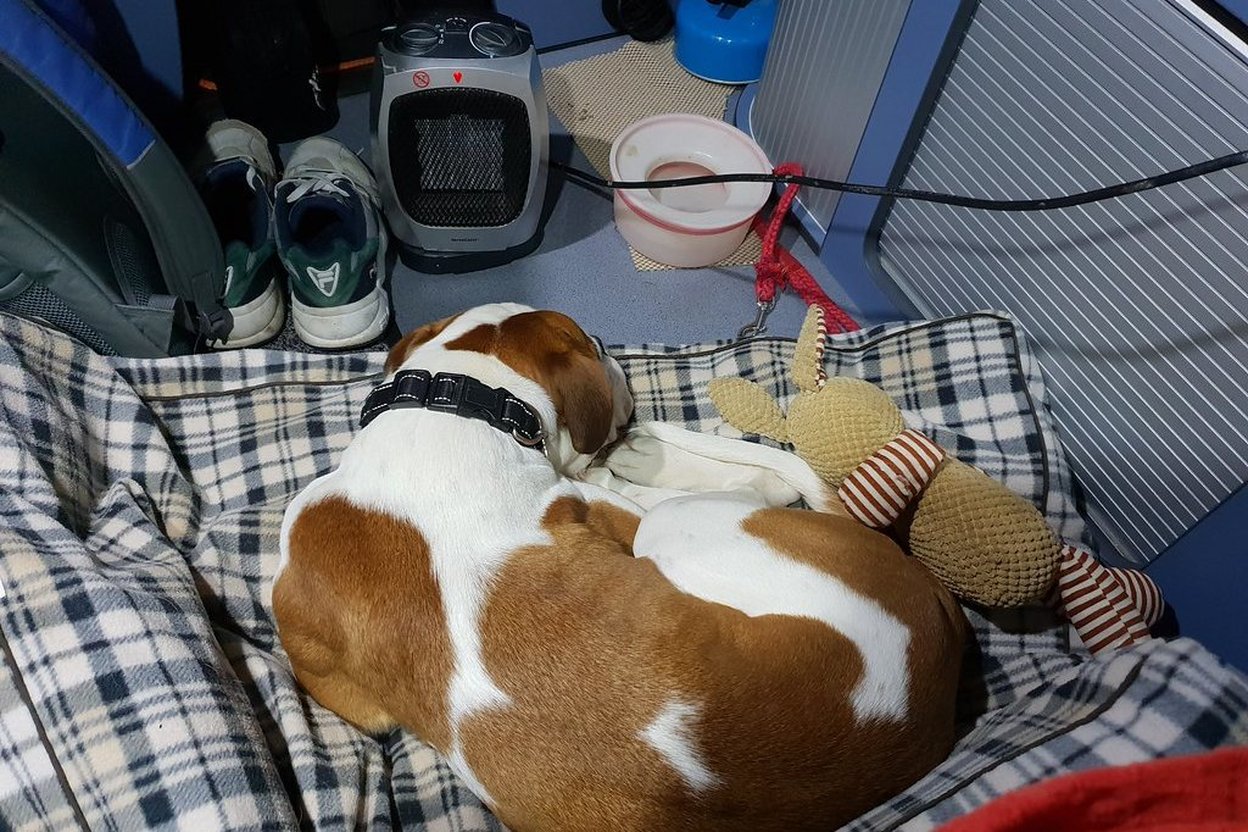
Your RV furnace, a ceramic space heater, a catalytic heater. What each costs to run, what each does to your battery and windows, and how to stay safe.
Cold nights mean heat, and most campers have choices. Here's how they compare.
How it works: burns propane, vents the exhaust outside, blows warm air through ducts.
Good: heats the whole rig, including (on many rigs) the underbelly where the tanks and pipes are. Vented outside, so no combustion gases inside.
Not so good: uses a lot of propane in cold weather, and the blower fan runs on your 12-volt battery. On a cold night with no hookup, the fan can drain a small battery.
How it works: plugs into an outlet, usually 1,500 watts on high.
Good: "free" if electricity is included at your site. Quiet. No propane. No combustion.
Not so good: only heats the room it's in, and doesn't warm the underbelly. Draws a lot of power, so on a 30-amp site you can't run much else. Not practical on battery. See a power station for a CPAP, not a space heater.
How it works: burns propane inside the camper, without a vent.
Good: no electricity needed, quiet.
Not so good: puts combustion byproducts and a lot of moisture into the camper. Needs fresh air, and you need a working CO alarm. See tent heaters: what's safe.
On shore power, many campers use a space heater as main heat and set the furnace thermostat a little lower as backup. The space heater does most of the work, the furnace kicks on if it gets too cold, and the furnace keeps the underbelly from freezing.
Breathing, cooking, and unvented propane heaters all add moisture. On a cold night, it shows up as condensation on windows.
Warm is good. Safe and warm is the goal.
Photo: Pebbles has had a tiring day. by andreboeni, BY 2.0.
Wet wood? Find the dry inside, make feather sticks and kindling, and build the fire off the ground. Includes how to put it out fully.
How many firewood bundles a three-night camping trip needs, how to adjust for cold or wet nights and cooking, and why to buy wood near camp.
Get a wet tent and damp sleeping bag as dry as you can at camp, pack them safely, and finish drying at home before mildew sets in.