
Camping Tips
How to Start a Campfire When Everything Is Wet
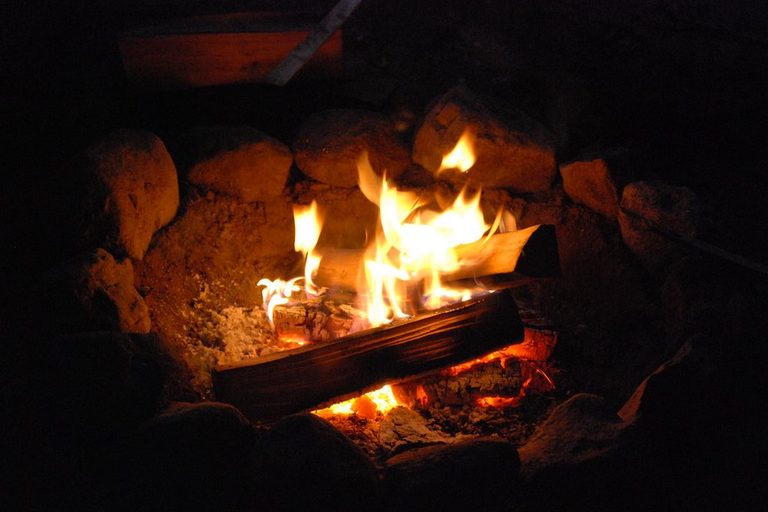
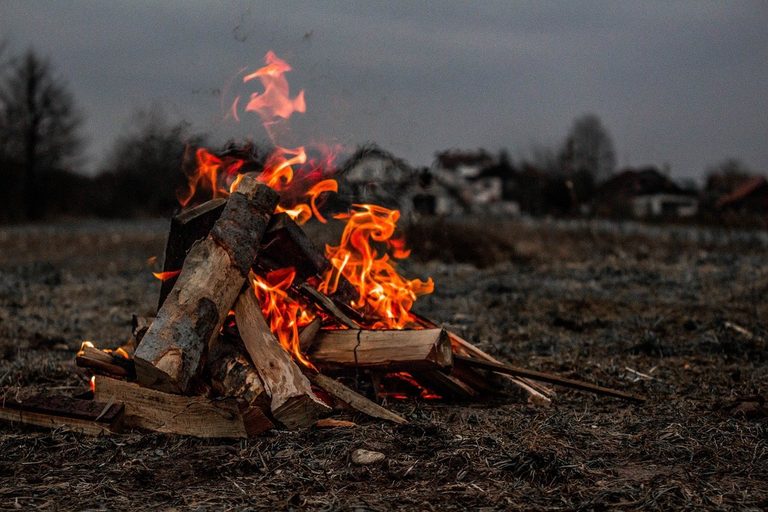
Wet wood? Find the dry inside, make feather sticks and kindling, and build the fire off the ground. Includes how to put it out fully.
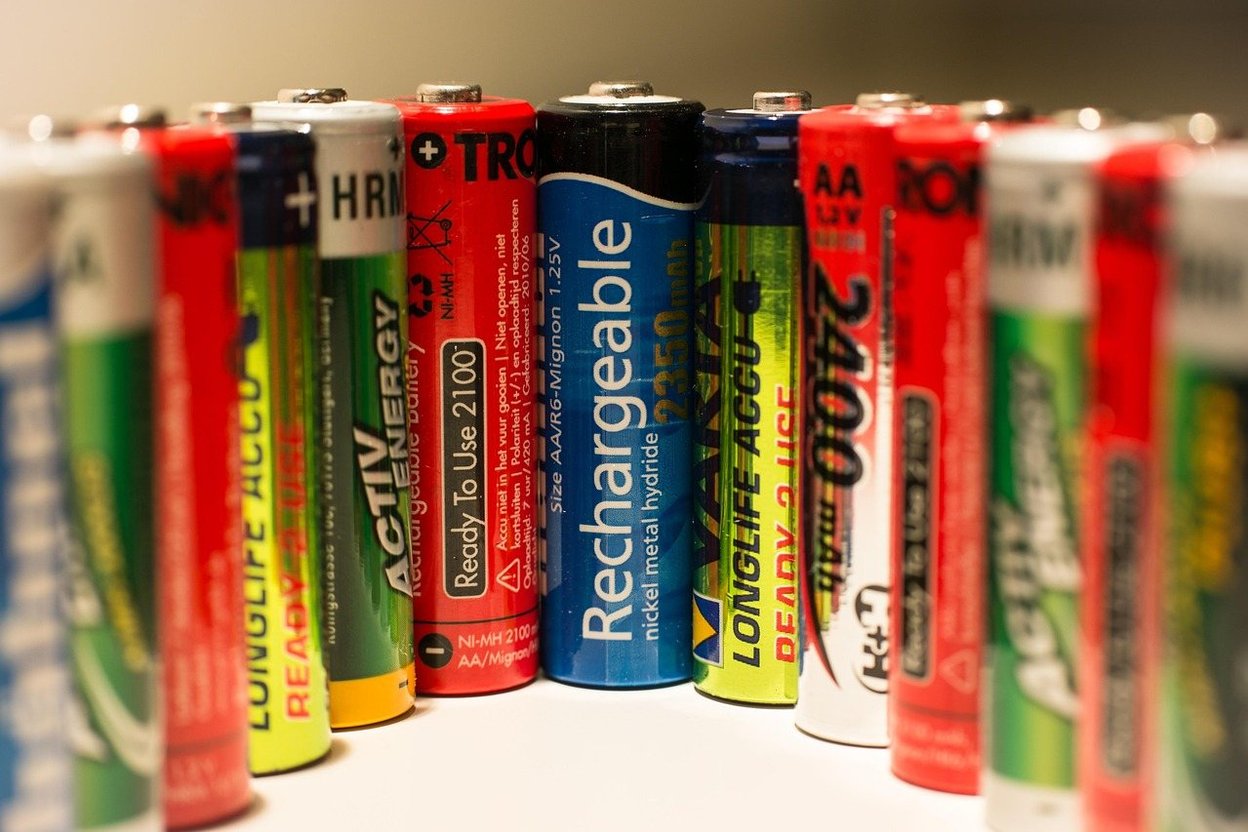
A battery that's full at bedtime and dead by morning usually has help: the furnace fan, tank heaters, the propane detector and a dozen small things. How to find the drain and stretch your battery.
You went to bed with a full battery. You woke up cold, with the furnace off and the lights dim. On a fall night with no hookup, it happens to a lot of campers.
The furnace fan. A propane furnace still needs 12-volt power for its blower. On a cold night it can run a lot, and it's often the biggest drain.
Tank heaters. Several amps each when they're on. See RV tank heaters.
Always-on stuff ("parasitic draw"): - Propane/CO detector - Stereo and clocks - The fridge control board, even on propane - Water heater control board - USB chargers and anything plugged into an inverter - An inverter left on, even with nothing plugged in
Each is small. Together, over 12 hours, they add up.
An old battery. Lead-acid batteries lose capacity with age and can't hold a charge like they used to.
A battery monitor (a shunt-based one) is the best tool here. It tells you exactly how much you're using and how much you have left.
If you camp in the cold without hookups often, think about a bigger battery bank or lithium batteries (check their low-temperature charging limits), plus solar. See solar panel output on a short fall day.
A dead battery on a cold night means no furnace. Plan your power before the sun goes down.
Photo by Didgeman on Pixabay.
Wet wood? Find the dry inside, make feather sticks and kindling, and build the fire off the ground. Includes how to put it out fully.
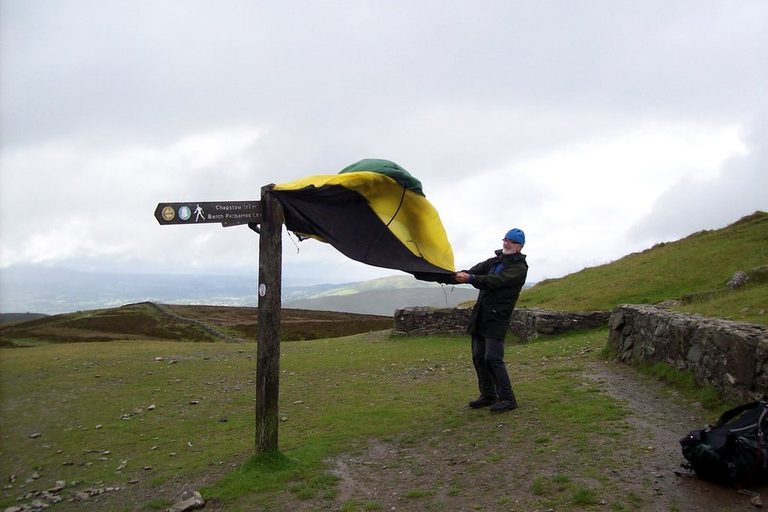
How many firewood bundles a three-night camping trip needs, how to adjust for cold or wet nights and cooking, and why to buy wood near camp.
Get a wet tent and damp sleeping bag as dry as you can at camp, pack them safely, and finish drying at home before mildew sets in.